This November, I went to Japan with high school friend to visit a mutual friend living in Tokyo and, most importantly, to see the Japanese maple trees in fall! I’d been to Japan a few years ago in summer (strongly would NOT recommend – super hot and humid) and there was a lot of overlap in cities visited. This trip consisted of Tokyo, Hakone, Kyoto, Nara, and Osaka.
Japan is a really easy place to travel to but I’ll include some of my top Japan travel tips at the end of this post!
This was a more expensive trip (for me), so I’d estimate my costs at about $900 for airfare, $200 transport, $300 food, $400 lodging, $150 museums & shows, $200 miscellaneous gifts and souvenirs for a total of $2150 for the trip, which actually matched my budget!
Summary
- Day 1: Arrival in Tokyo
- Day 2: Studio Ghibli, Vintage Shopping in Kōenji, Fancy Drinks in Shinjuku
- Day 3: A Very Anime Day of Character Street, Akihabara, and the Naruto Musical
- Day 4: Shopping in Shibuya, Teamlab Borderless, and a lot of Gundam
- Day 5: Tsukiji Fish Market and Train to Hakone
- Day 6: Hakone Loop
- Day 7: Shinkansen to Kyoto, To-ji Flea Market, Kiyomizu-dera Night Illuminations
- Day 8: Fushimi Inari and Kyoto Wanderings
- Day 9: Nara & Arashiyama
- Day 10: Osaka
- Top Japan Travel Tips
Day 1: Arrival in Tokyo
You lose a lot of time flying to Japan from the US since you cross over the dateline, so even flying out mid-day Thursday we didn’t land until Friday afternoon.
Hopped up on adrenaline, we opted to do dinner with our friend after checking in to our hostel in Shinjuku, a big shopping and restaurant district in Tokyo.
The hostel, Imano Tokyo Hostel, was fine; I like staying in Shinjuku but the hostel is nothing special with only a free small security locker with a refundable deposit and a larger luggage locker available for rental. The rooms are clean and the location is close to the station, so generally no complains.
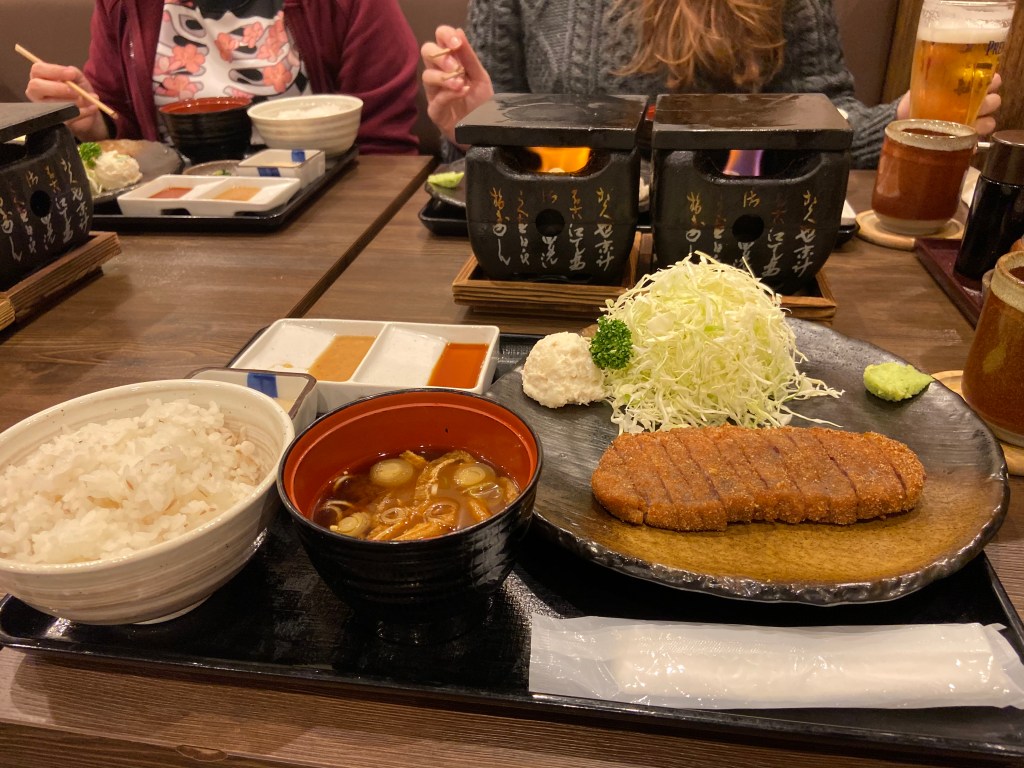
We went out to gyukatsu (beef katsu) for dinner and they had these table burners that you finished the meat on. Super good! I’m not totally sure where we went, but let’s say Gyukatsu Motomura, which looks about right based on the pictures online.
Day 2: Studio Ghibli, Vintage Shopping in Kōenji, Fancy Drinks in Shinjuku
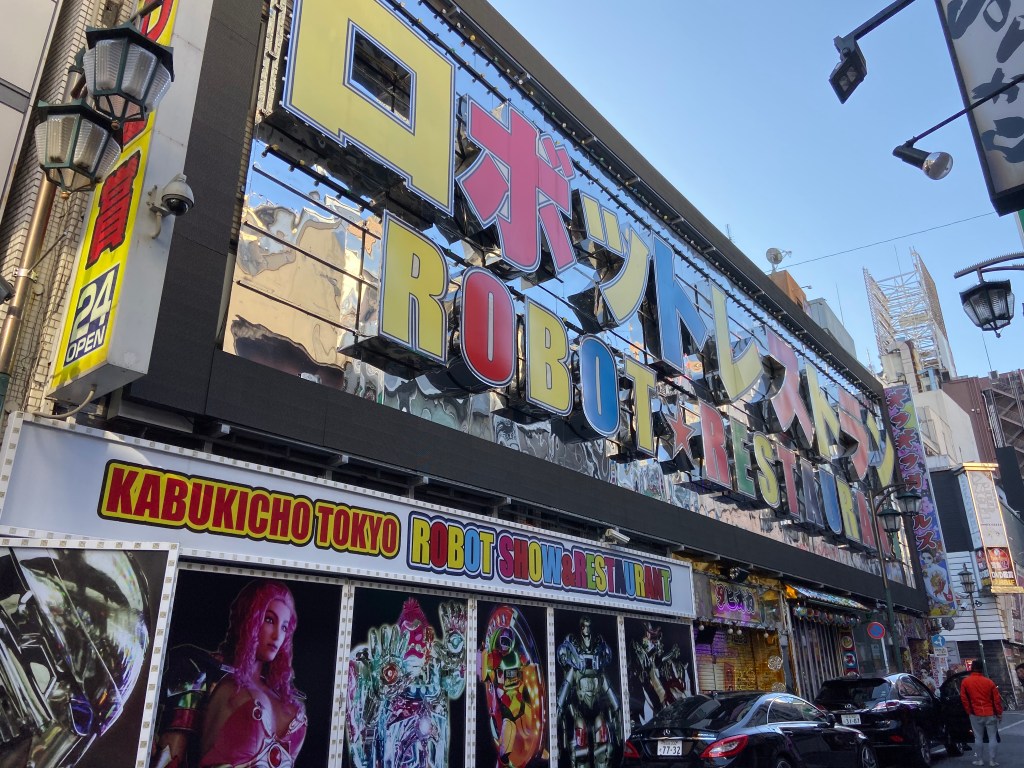
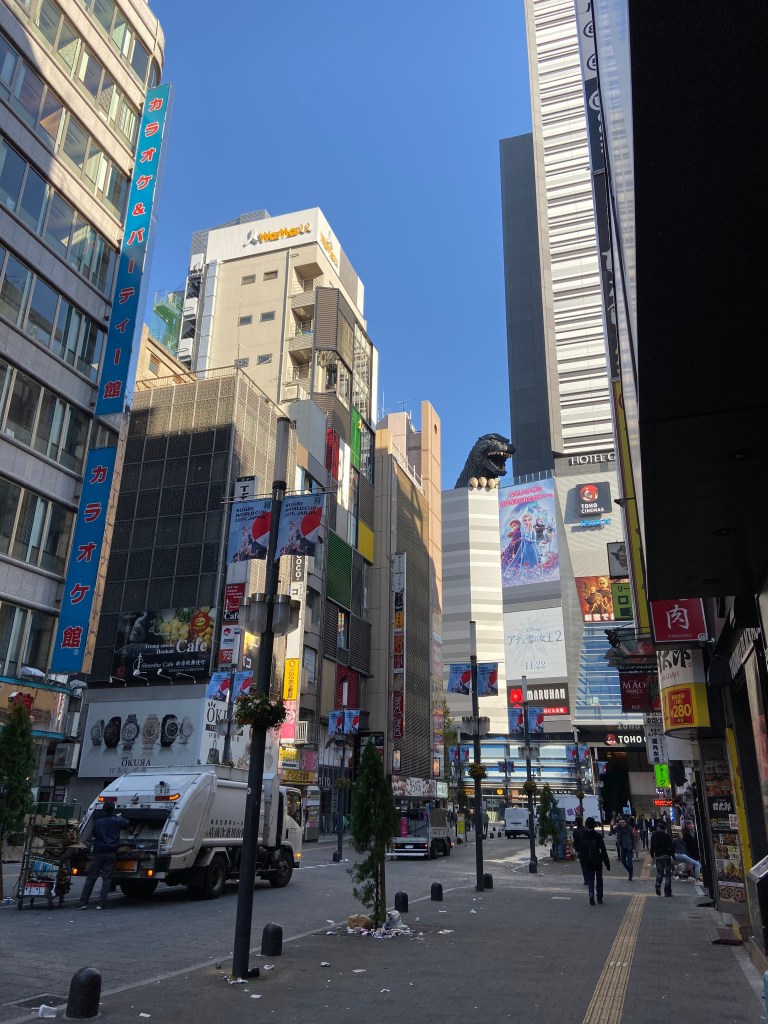
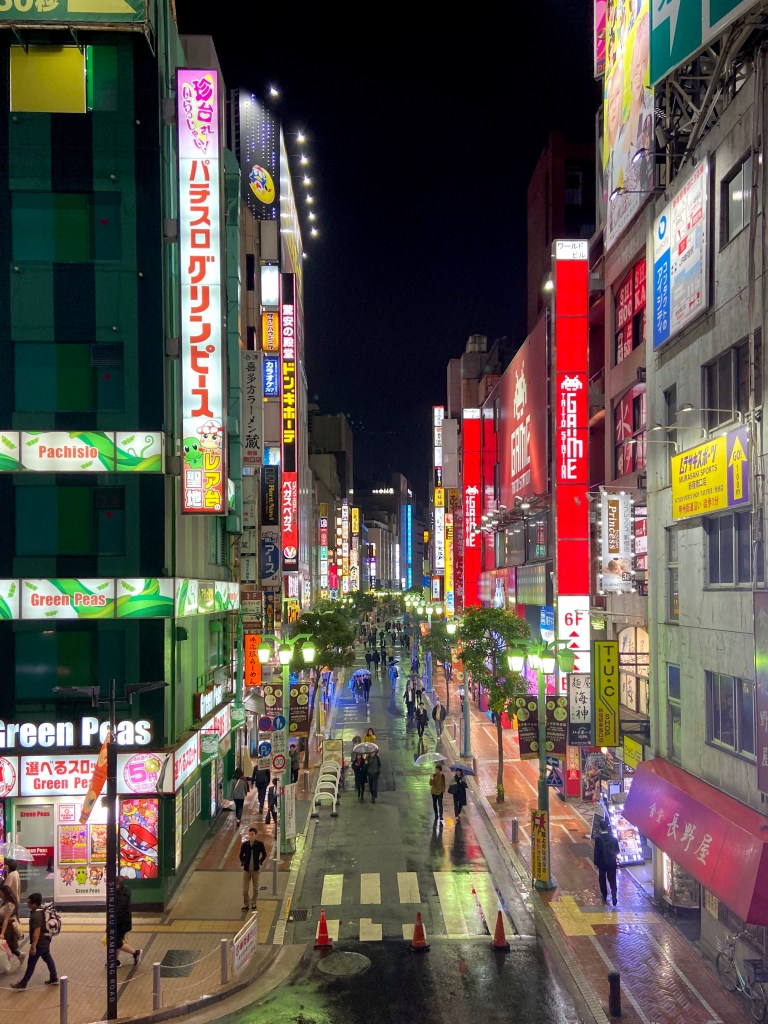
We woke bright and early and spent an early morning wandering around a sleepy Shinjuku. We walked by the Robot Restaurant (still something I have to do!) and the Toho building with the giant Godzilla on it (I still have yet to see it blow smoke out of its mouth).
We met up with our friend for the Studio Ghibli Museum in the later morning and the museum was honestly pure magic. I cannot more strongly recommend it! It was one of the highlights of my trip and I really look forward to going back. Some of my favorite features of the museum were some spinning displays with characters in slightly different poses and strobed lights to create a stop motion animation effect that was incredibly striking. Unfortunately, pictures weren’t allowed within the museum.
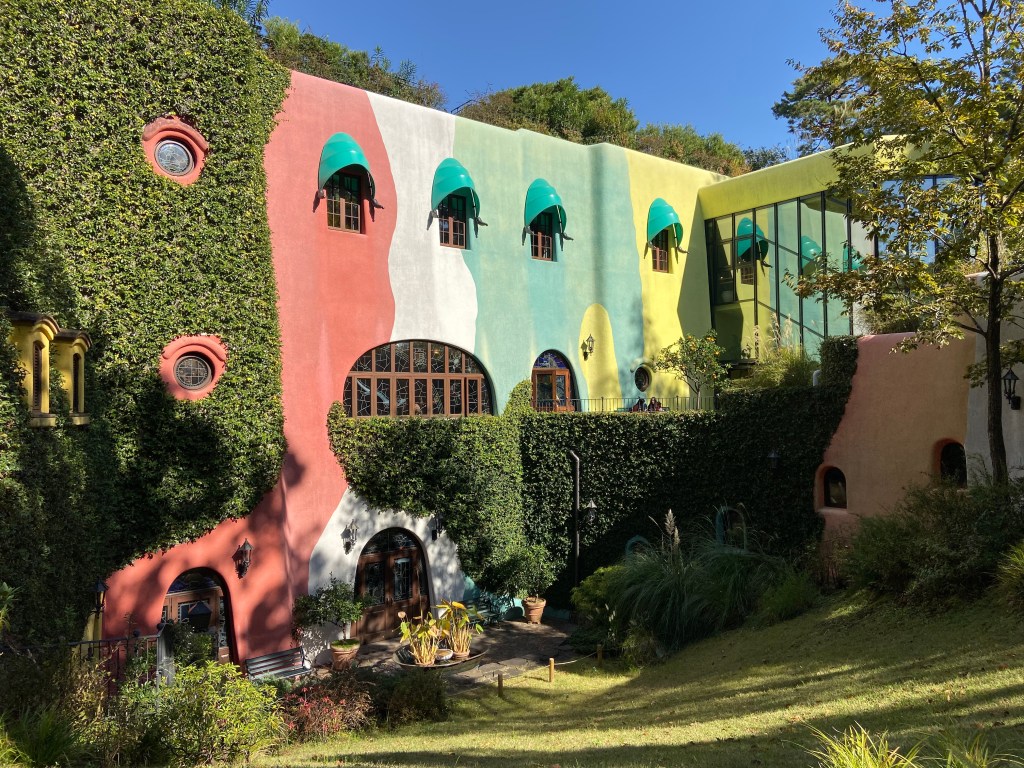
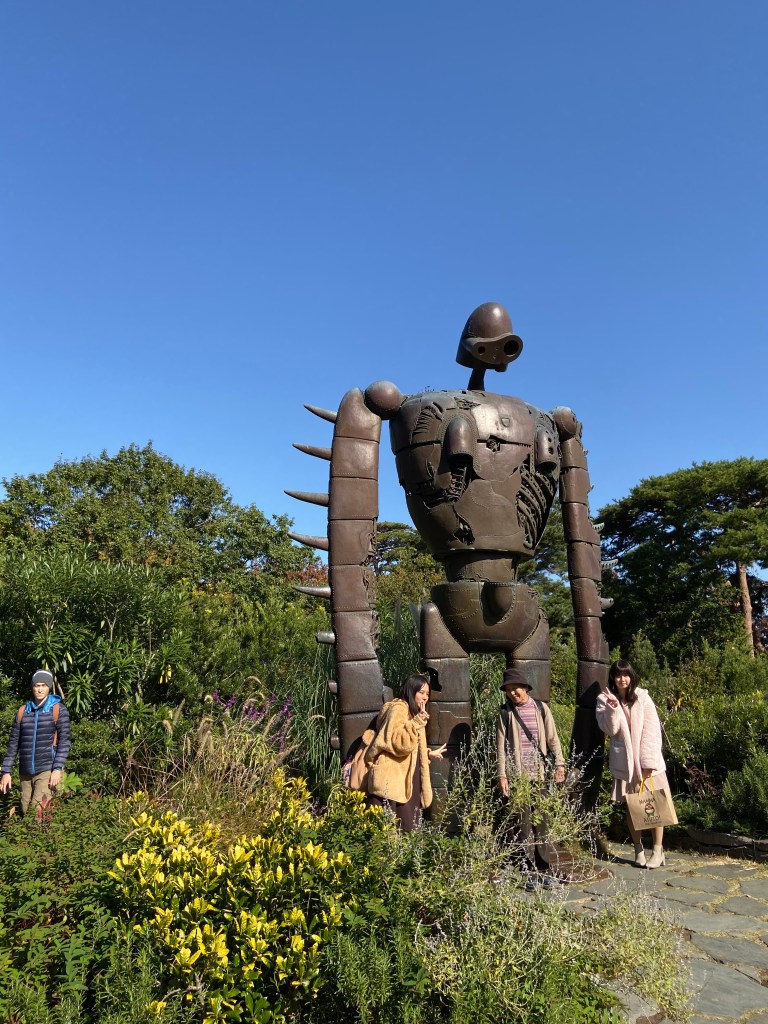
After the studio and lunch at a conveyor belt sushi place on the top floor of a department store (very common), we headed to my friend’s neighborhood of Kōenji, which is known for its chic vintage shopping.
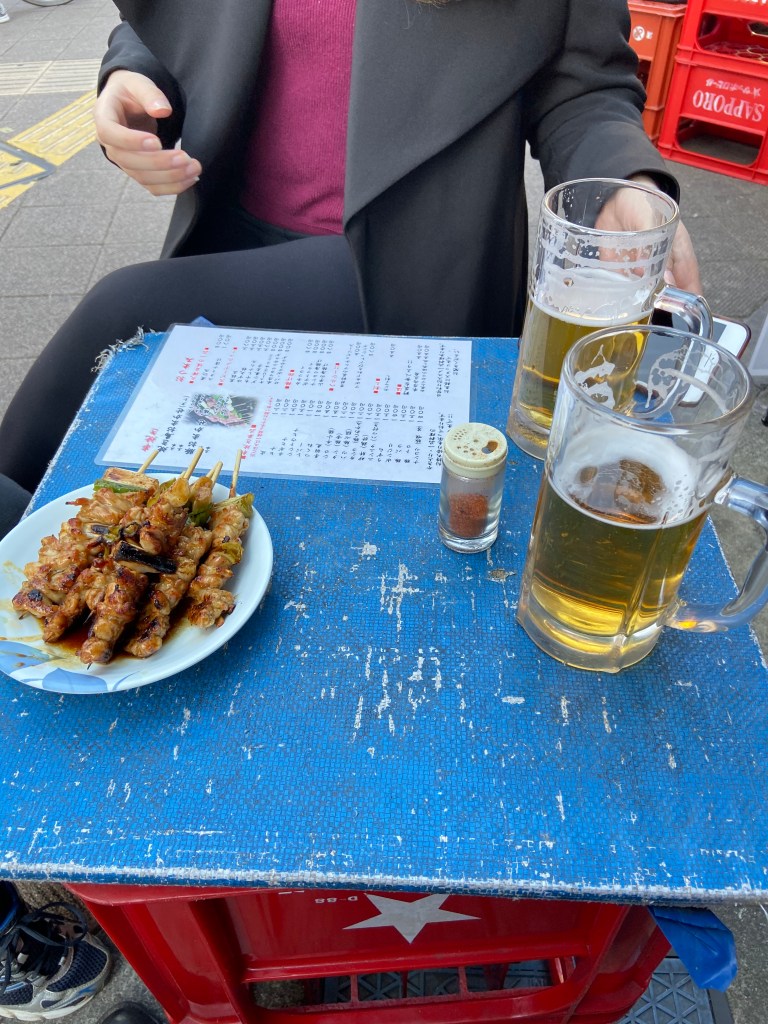
We grabbed some yakitori (grilled chicken on a skewer) at a casual local place near the station where they pulled down crates to make a quick table for us. My friend is awesome and fluent in Japanese so she ordered for us and we got a variety of chicken and pork options, including pork heart (which I loved) and pork tongue (also very good, and my friend’s favorite).
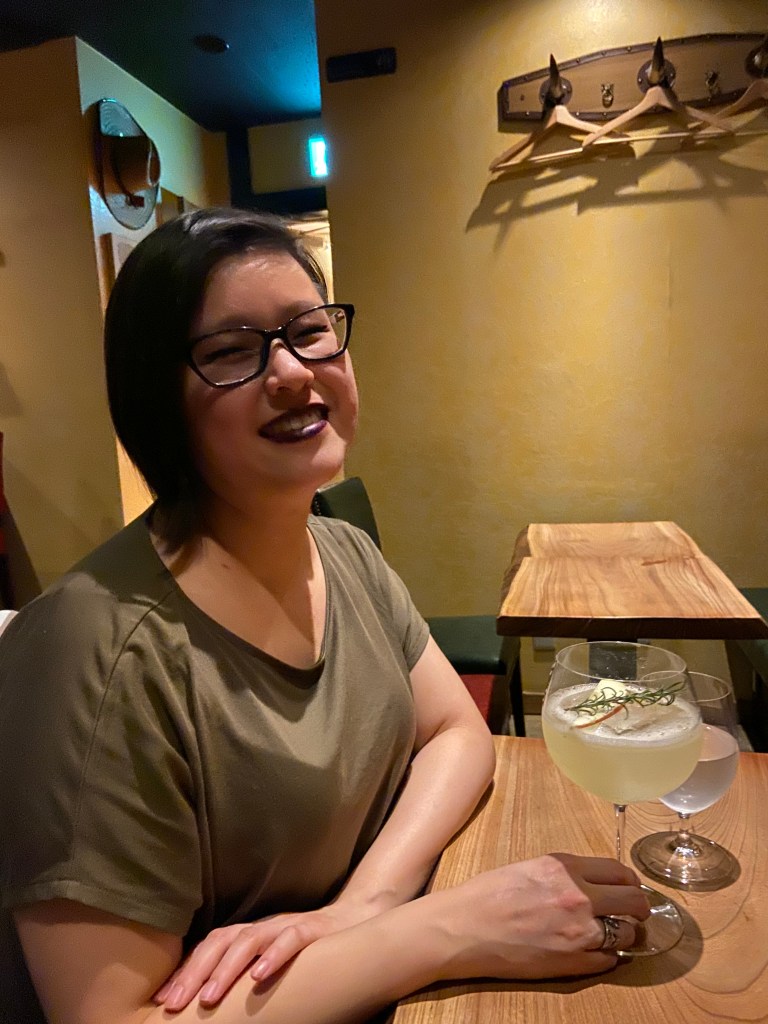
My travel buddy enjoying a St Germain Cocktail at the Spirits Bar
After our delicious yakitori dinner, we did some vintage shopping before hopping back to Shinjuku for drinks at the Spirits Bar (not Ben Fiddich, as we originally planned, but in the same building with the same concept, though weirdly American Southwest themed). This was my friend’s quasi birthday activity so drinks were more than I’d usually pay (about $20/each) but really tasty. They ask what your preferred liquor is and flavor profile and then craft you something original! I got an egg white drink with gin and gold flakes that I enjoyed in spite of not having great past experiences with egg whites. Plus I totally just ate the gold flakes on their own (spoiler, they taste like nothing).
We finished up the night with more katsu before parting ways, because you can never have too much katsu.
Day 3: A Very Anime Day of Character Street, Akihabara, and the Naruto Musical
I got up early again and headed over to the nearby Mister Donut for a morning mochi donut. Unfortunately, on the way, I got harassed by an incredibly creepy and persistent dude from Dubai who gave me an icky once over and only left me alone when I told him I was 28, instead of much younger, like he’d presumed. Super ick.
In the morning, we wandered around the Tokyo Station area to the Imperial Palace and Character Street (below the station). Character Street houses a variety of anime shops (even a Harry Potter store!) for children, and a lot of gashapon (Japanese vending machines for capsule toys).
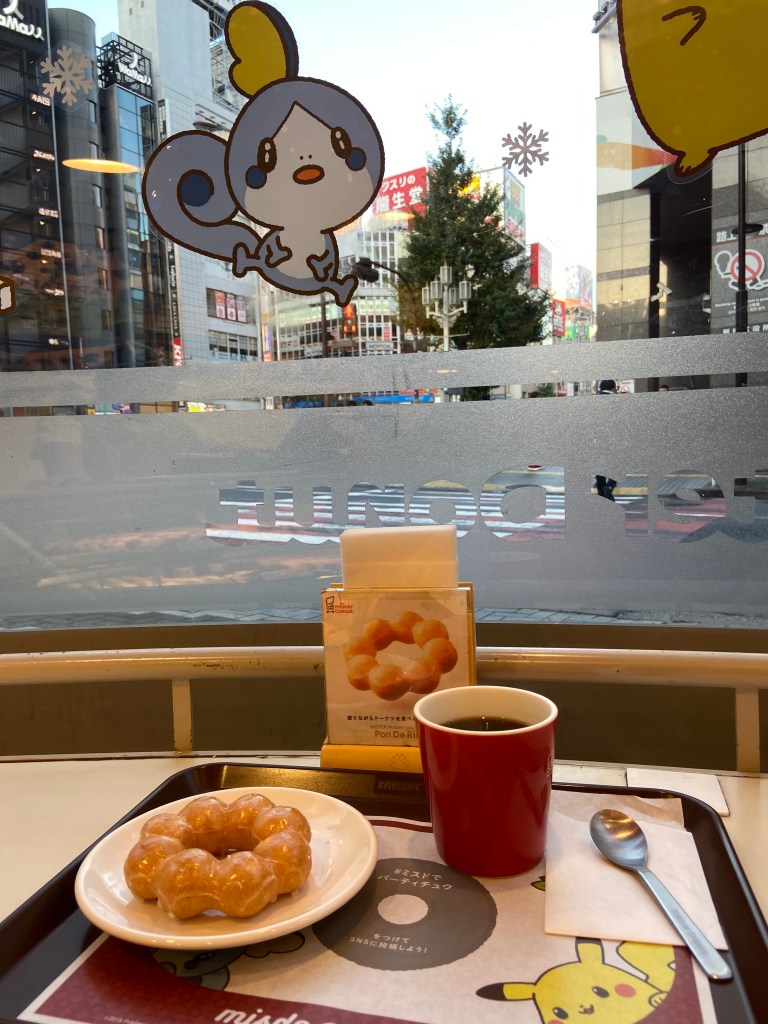
Mochi Donut at Mister Donut! 
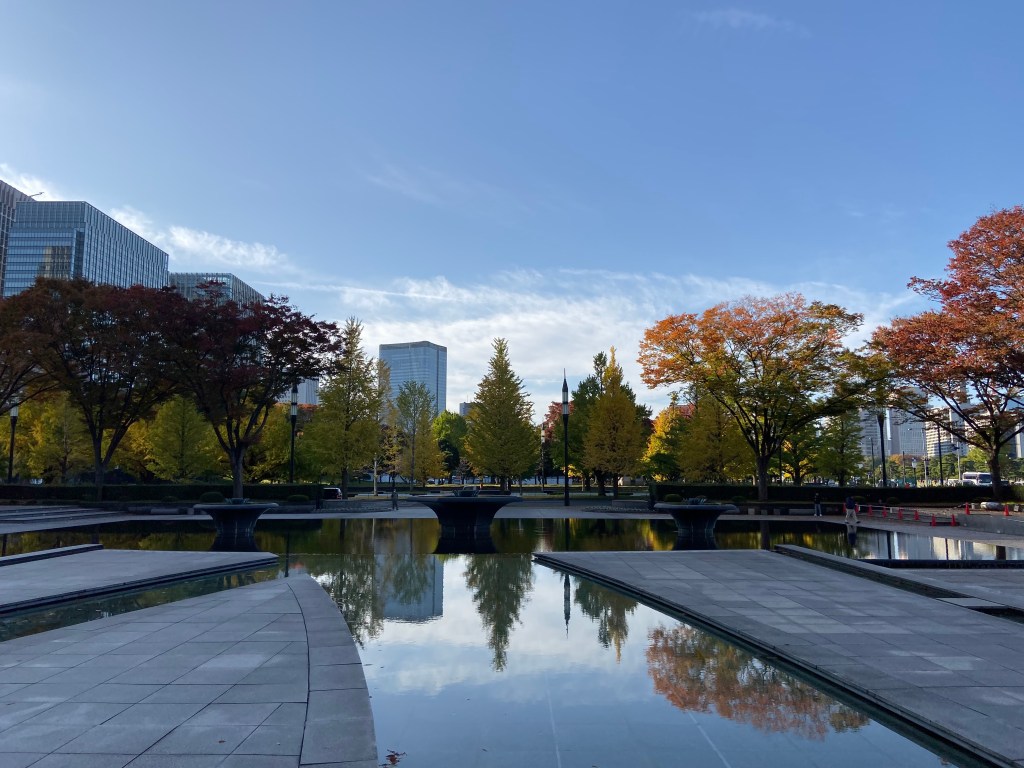
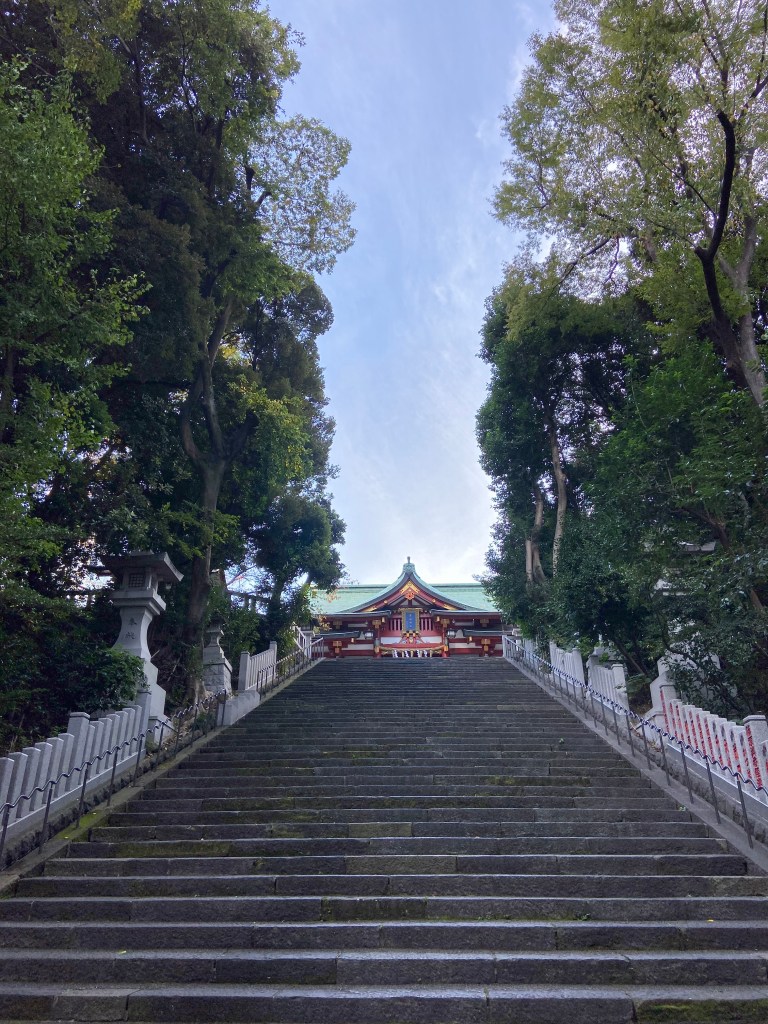
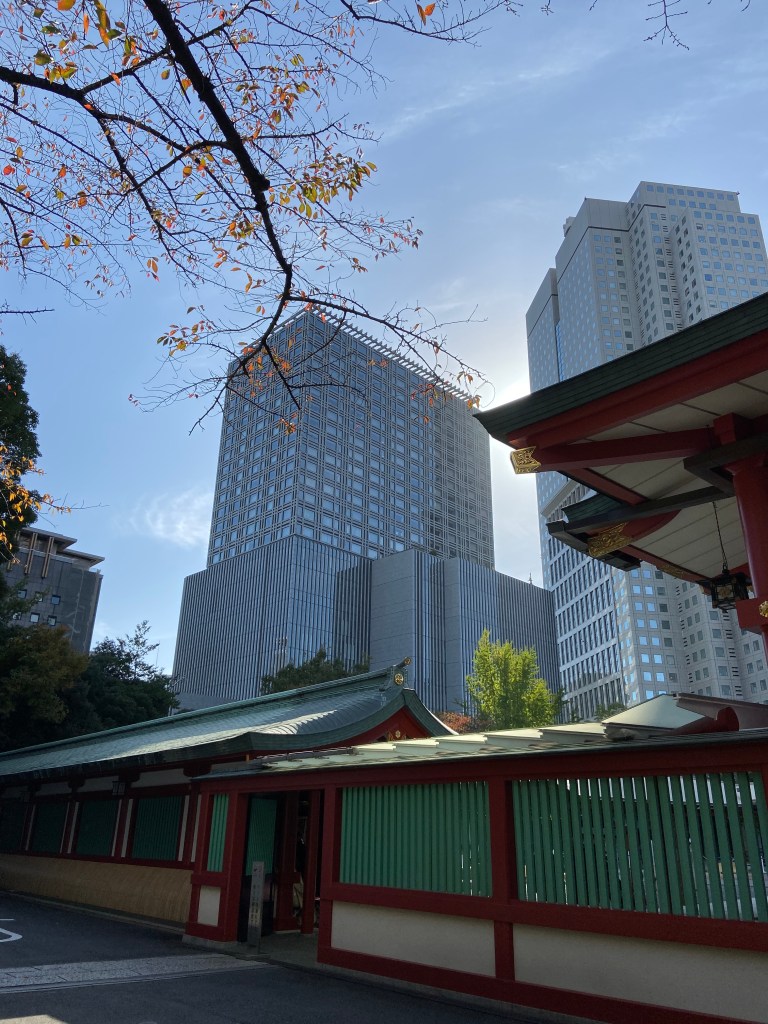
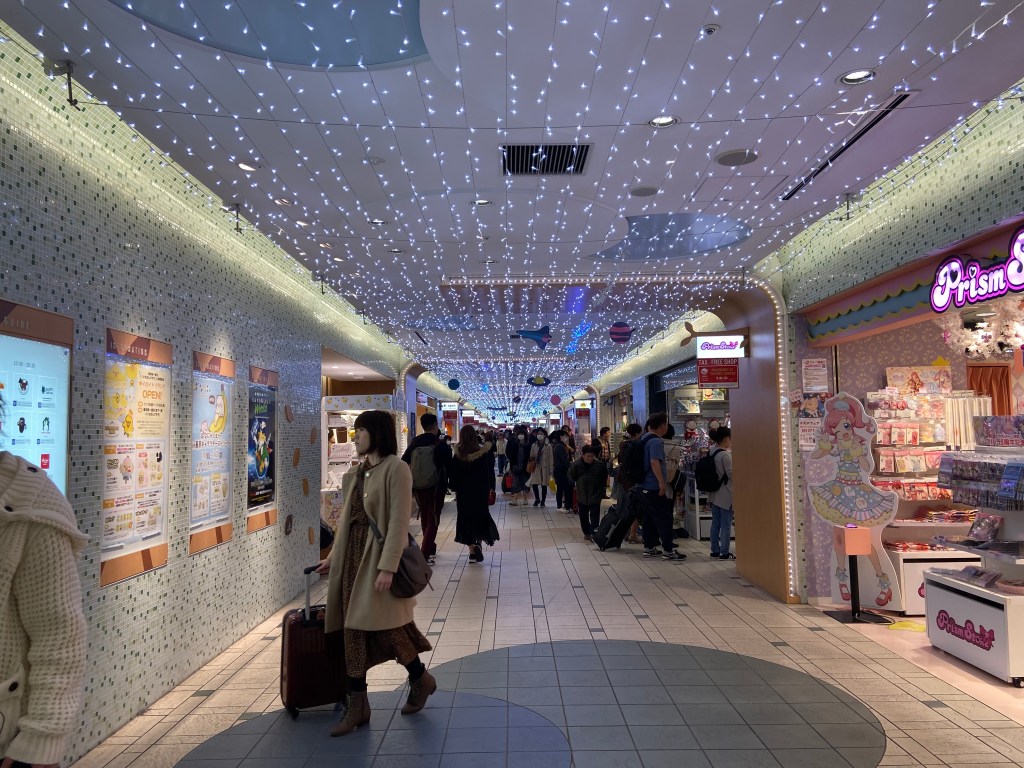
Character Street
In the afternoon, we met up with our friend in Akihabara, an area known for anime goods, manga, and waifu shops galore. My favorite stores were Robot Robot, a shop that houses multiple used anime goods stores (and TONS of Salior Moon merch), and Animate, which sells new merch.
Robot Robot was awesome and I kept finding Sailor Moon merch! I half blacked out in excitement, spent over $80, and walked out with a moon prism makeup replica, a handful of keychains, and a t-shirt, but that’s just how it goes sometimes.
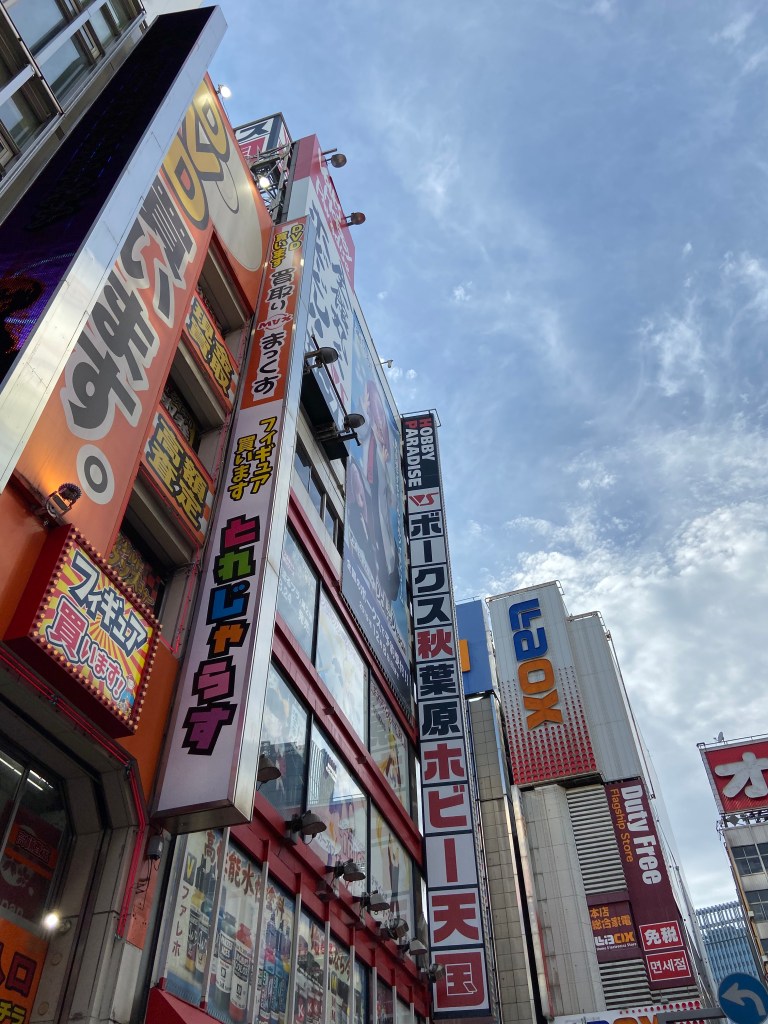
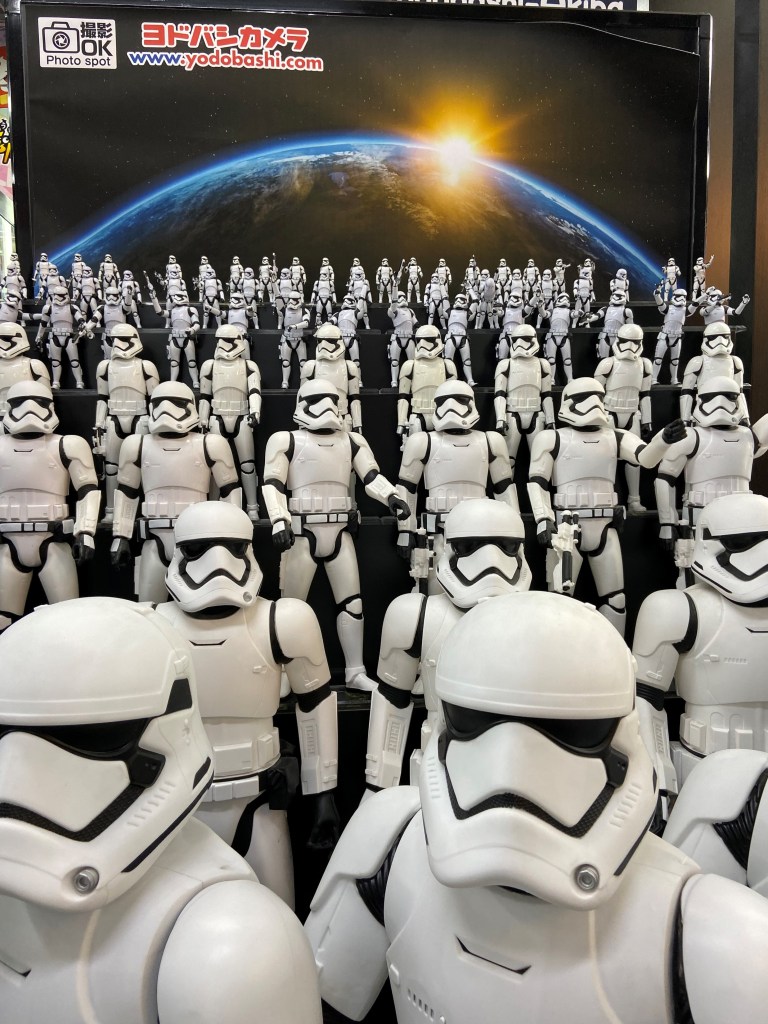
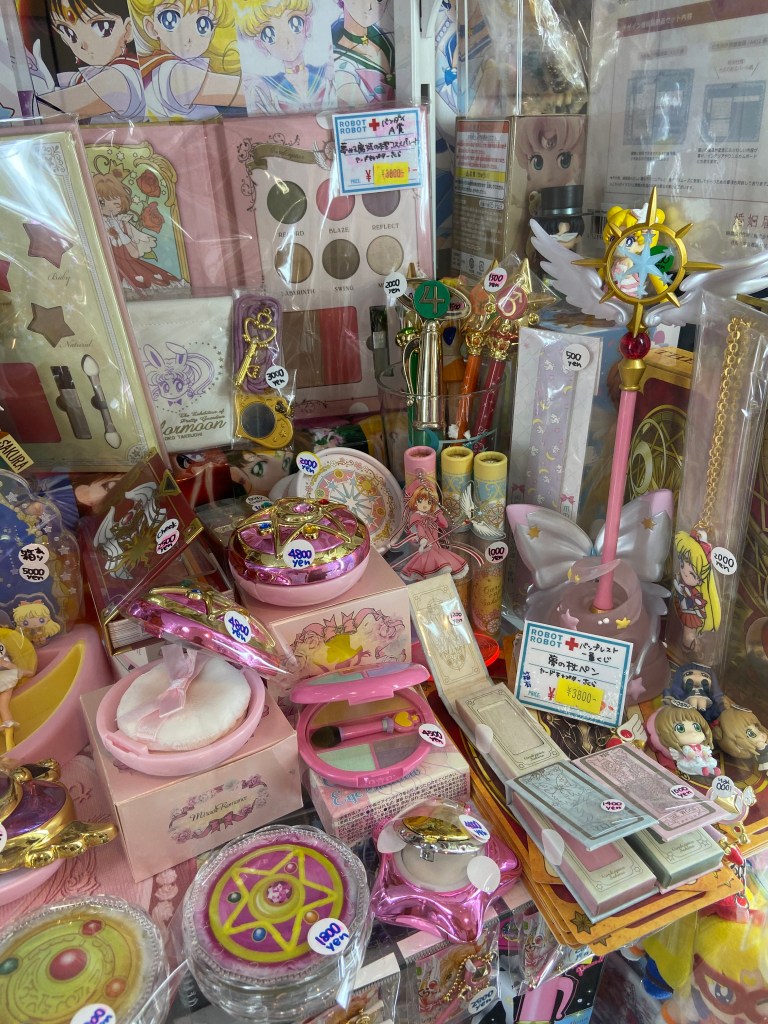
In the evening, to finish off of our birthday festivities, we went to the Naruto Musical, which was an experience (sadly no pictures allowed, though you can check out the trailer below). I’m not the biggest Naruto fan (having been mostly exposed through fanfiction) and it was all in Japanese, so it was difficult to follow but mostly just felt like I was watching a very anime opera. The costumes and choreography were fantastic though and I would highly recommend checking it (or any of the other anime musicals) out if you’re in Japan! They do them in a few cities, so it’s best to check out the website. Tickets were about $70 each, and well worth it!
Day 4: Shopping in Shibuya, teamLab Borderless, and a lot of Gundam
We kicked off our morning with a visit to the Tokyo Metropolitan Building in Shinjuku. I’d highly recommend it because it’s one of the best views in Tokyo and totally free! I’ve never had much trouble getting in as the line moves quickly. The store at the top even sold Olympics merchandise, which was extremely tempting.

Tokyo Metropolitan Building 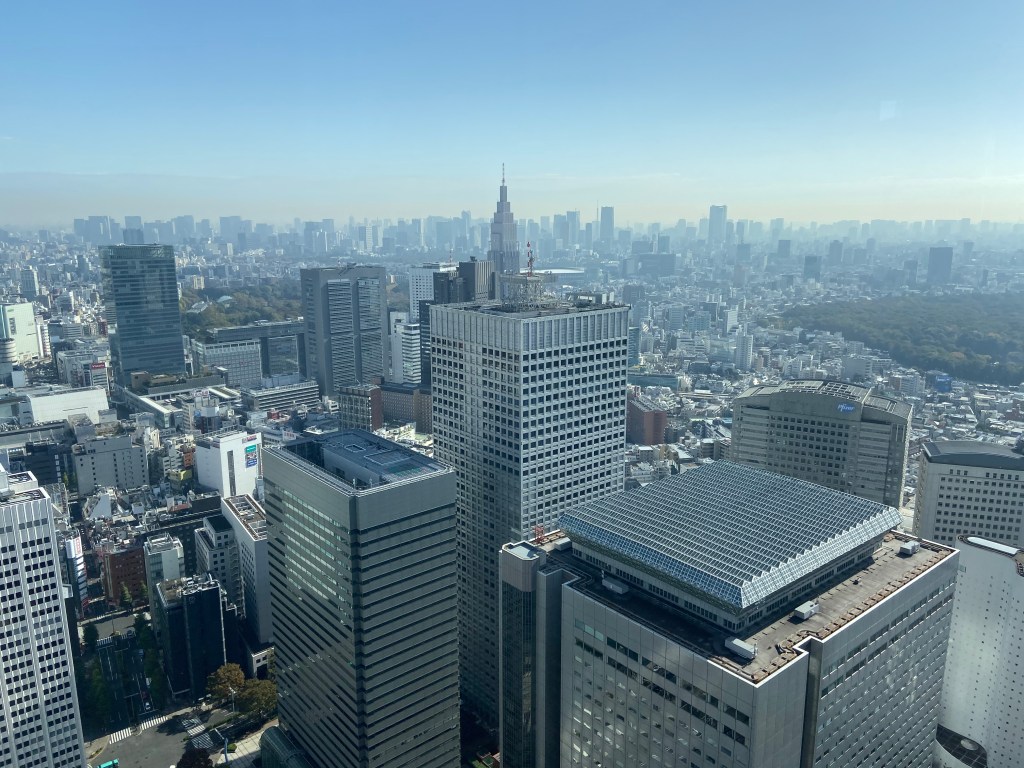
After, we headed over to Shibuya, a major shopping area, so my friend could get a pair of glasses at Jins and I could visit the Sailor Moon store.
Jins is a really awesome store where you can get glasses within 30 minutes. Literally. There are other similar stores in Japan but Jins was recommended to us for the English skills of the staff and the selection. You can try on glasses and either get your eyes tested for their prescription or, if you’re getting the same prescription as an existing pair, they can just test your glasses! You pay, leave for 30 minutes, they make your glasses in their on-site lab, and you get a beautiful new pair for the price tag on the frame! For my friend, that was about $80 for 1.61 index glasses, which is a fairly thin lens. She had a great experience and no issues! They do staple your receipt to your passport, which is a little weird, but I don’t think that caused any issues for her during border crossings.
After doing a bit of mall exploration, I walked over to the Sailor Moon Store through Cat Street, a cute shopping area with a lot of popular brands in America (though not strictly American brands) – sadly devoid of cats, to Harajuku, where the Sailor Moon store was. Harajuku is a “counterculture” fashion area, though I think it’s gotten really commercial within the last 10 years and is more targeted at teens. It’s still very rainbowy and fun and worth a stop if you’re interested in looking at shops with lolita clothes.
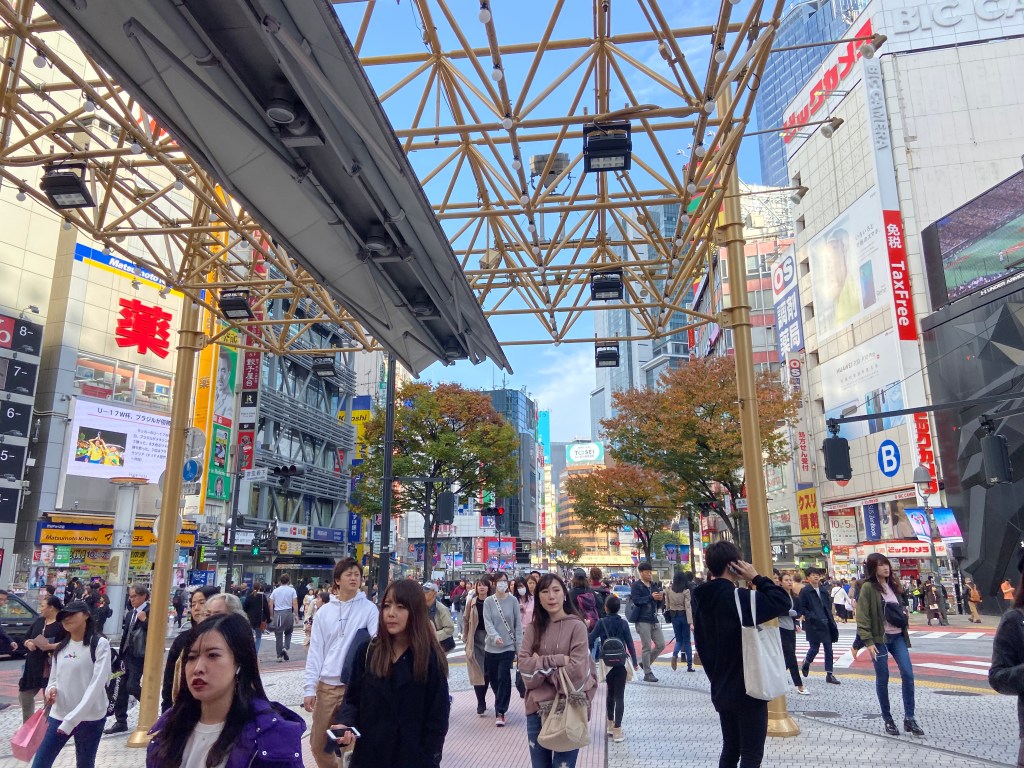
Shibuya 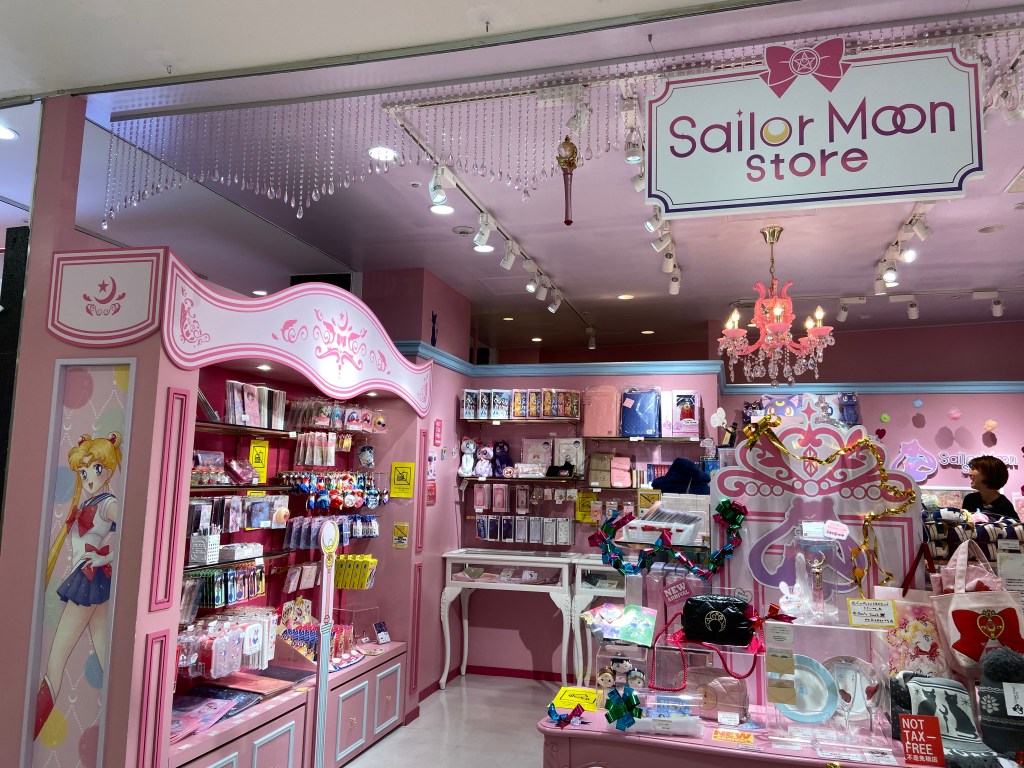
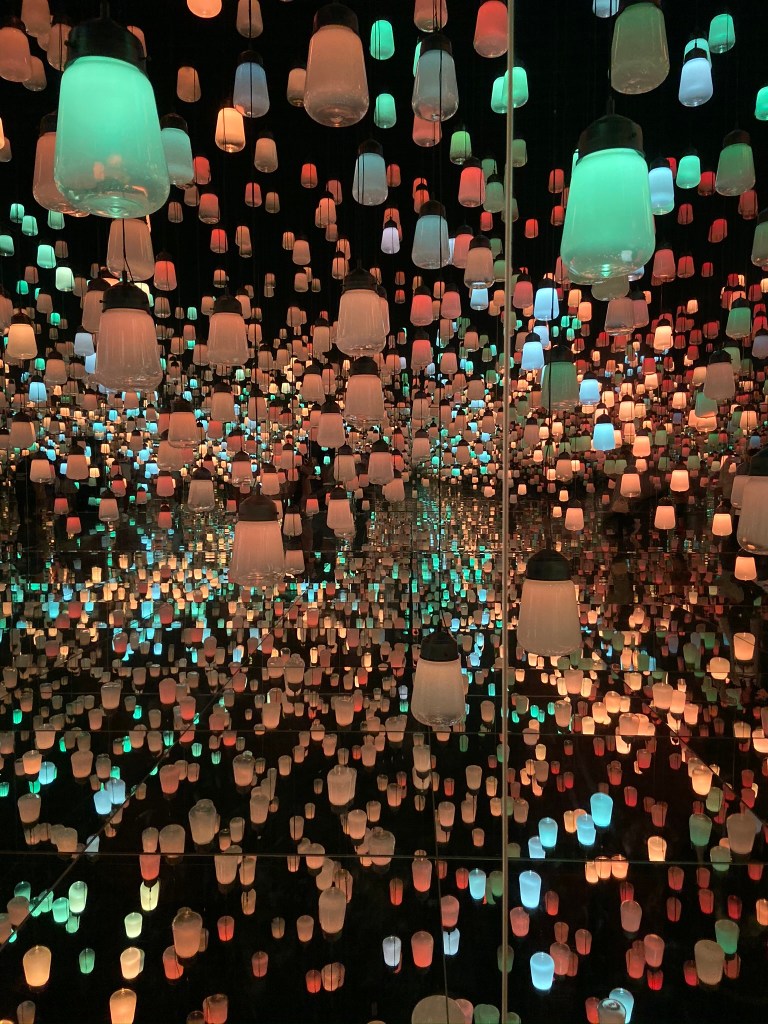
After an afternoon of shopping, we headed to Odaiba to go to teamLab Borderless, an interactive art experience. If this is something you’re interested in doing (which it should be!), I recommend buying tickets in advance ($35ish) and budgeting around 2 hours to walk around. TeamLab Borderless was extremely cool with different rooms that played around with light and projections. It’s a really tactile experience and super stunning for photos (which are allowed).
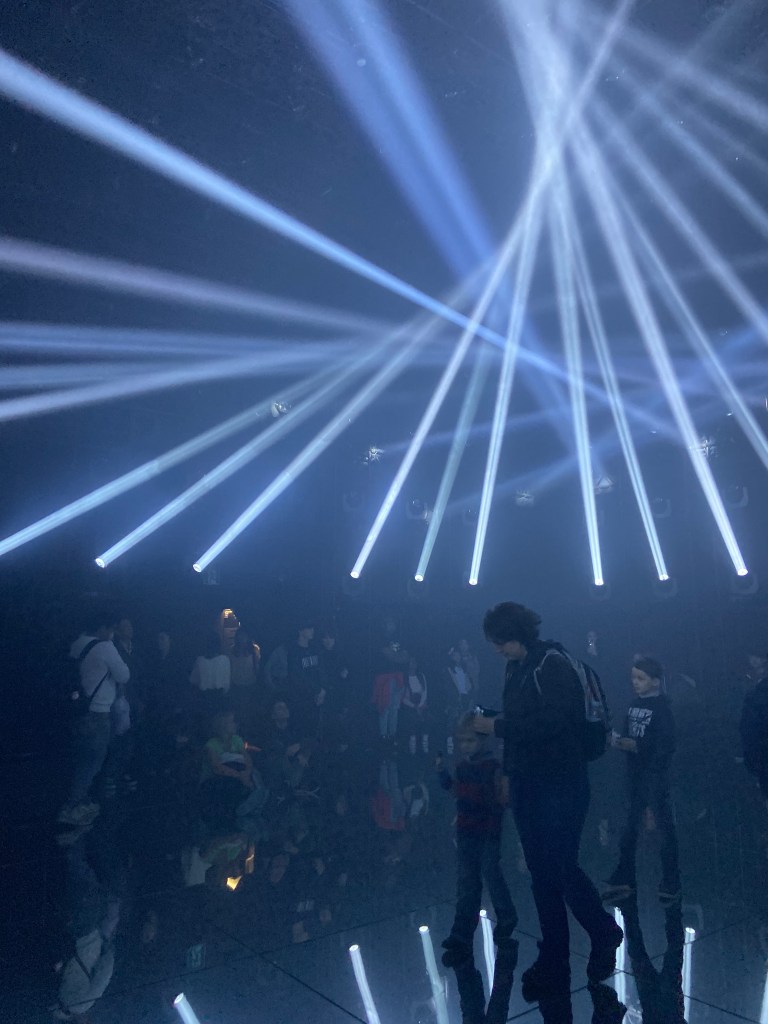
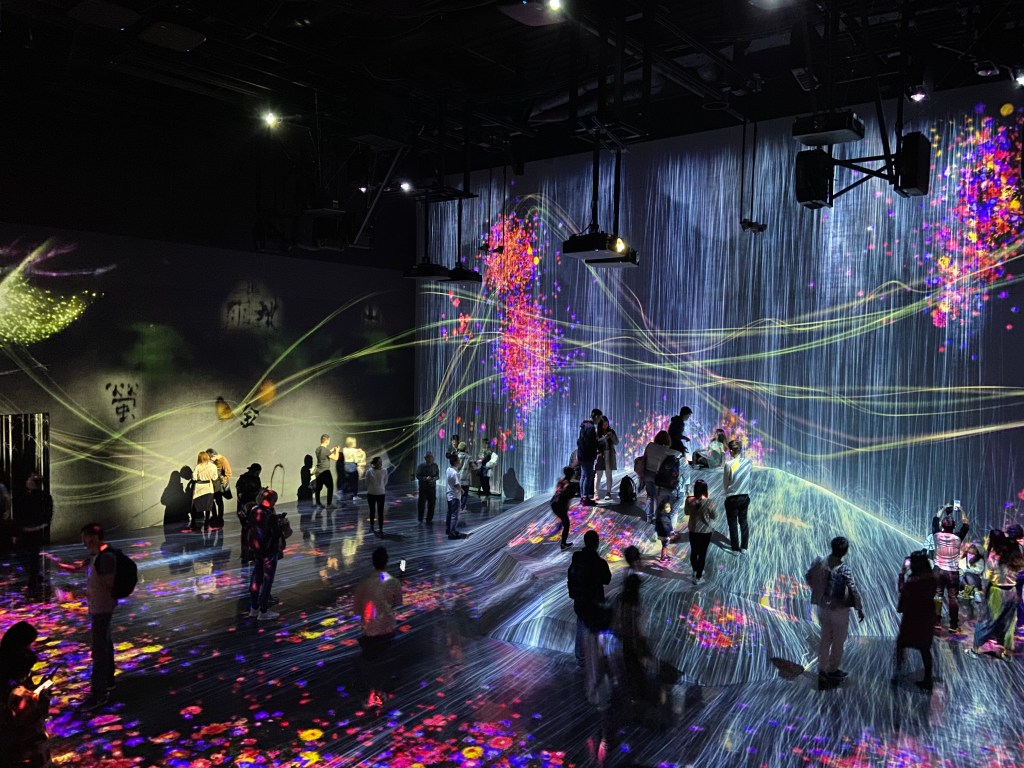
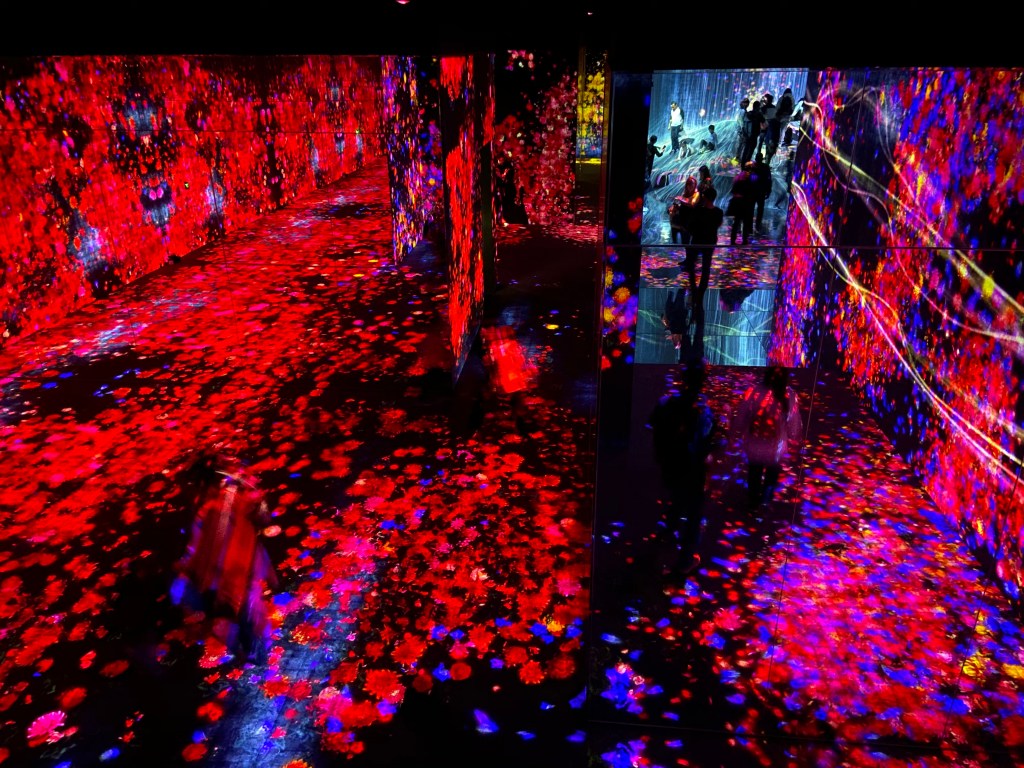
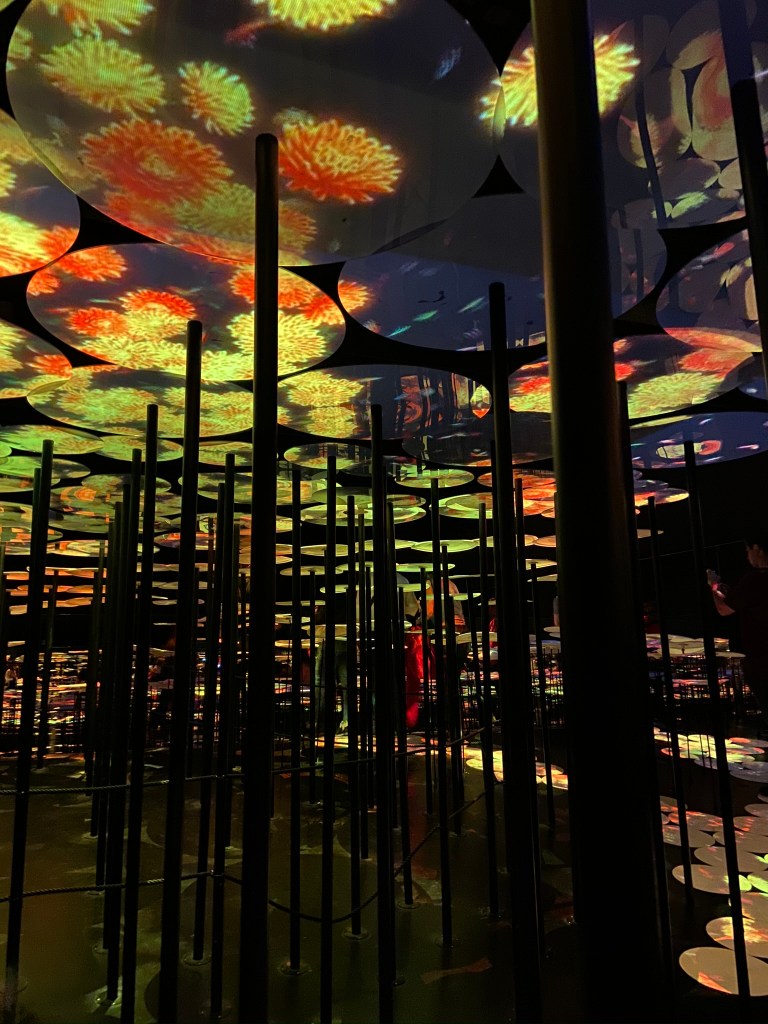
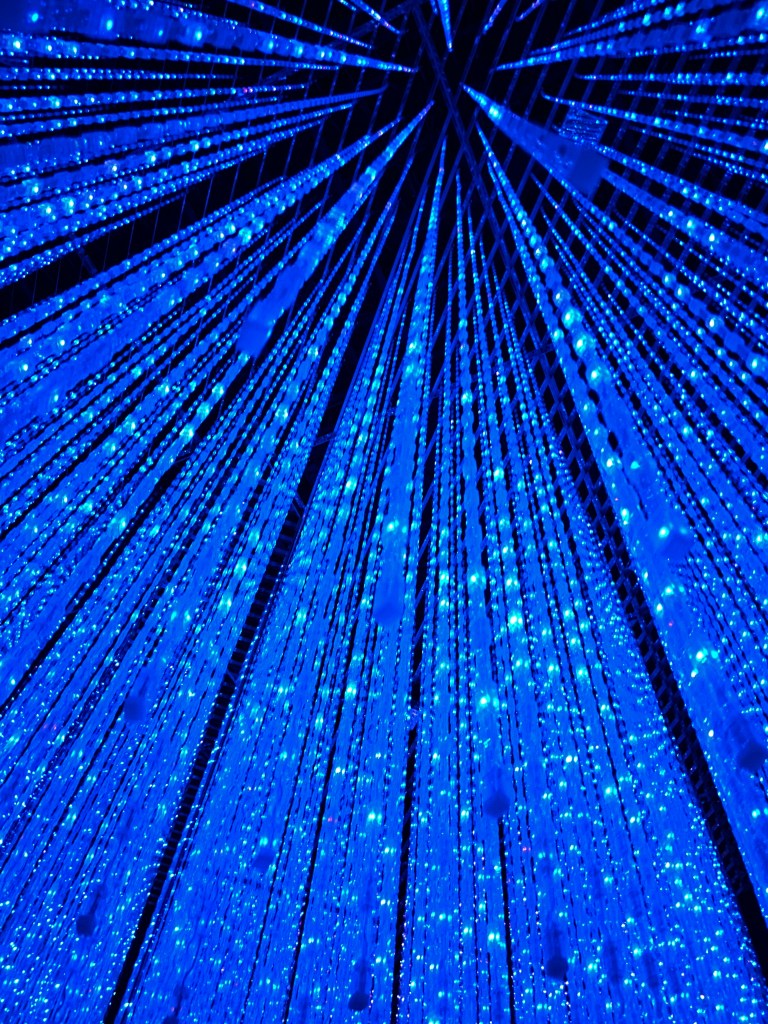
We were running very late meeting our friend for dinner but heard that Odaiba both had good views of the Rainbow Bridge, a replica of the Statue of Liberty, and a Gundam Statue, so we had to check them out. We ended up getting sidetracked getting there and cut through a Toyota center with a track and a car museum in a shopping mall? It was very confusing. When we did find the Gundam Statue, it started transforming and had a light show. It was incredible.
In addition to the statue, we made a quick detour to the Gundam Cafe (there are many throughout Japan) and the Gundam Base, which had an insane amount of Gundam models for display and sale.
We ran over to the Statue of Liberty after this and that was as bizarre as expected – located next to a Kua ‘Aina Burger, a small Hawaii burger chain, which was delightful.
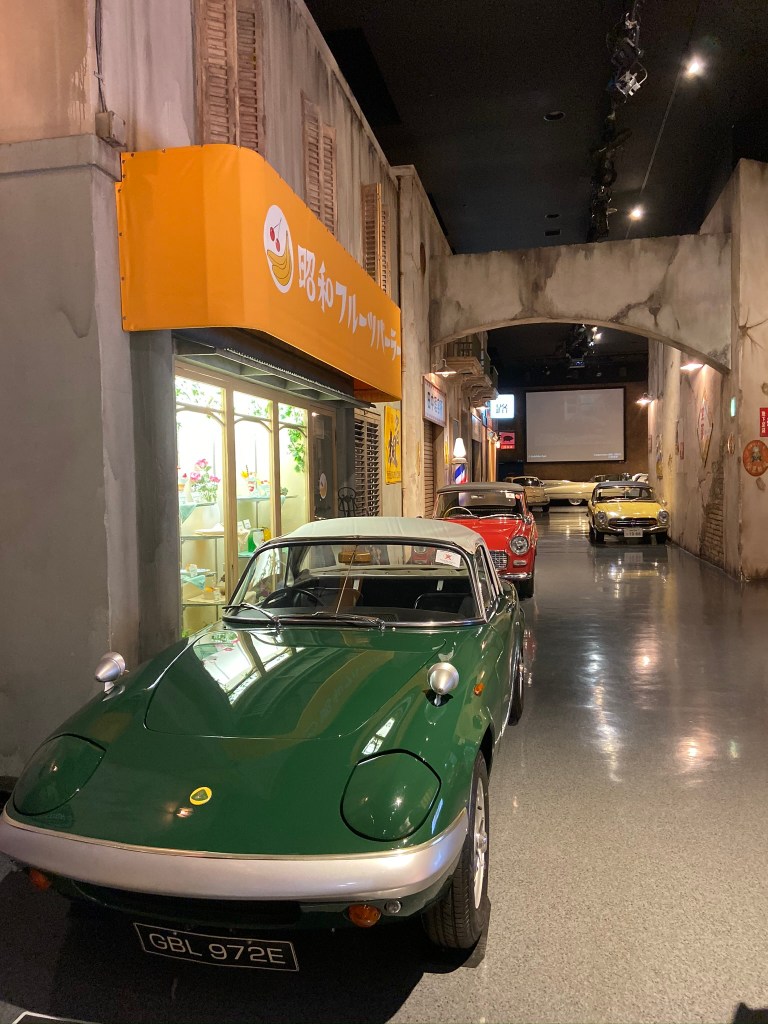
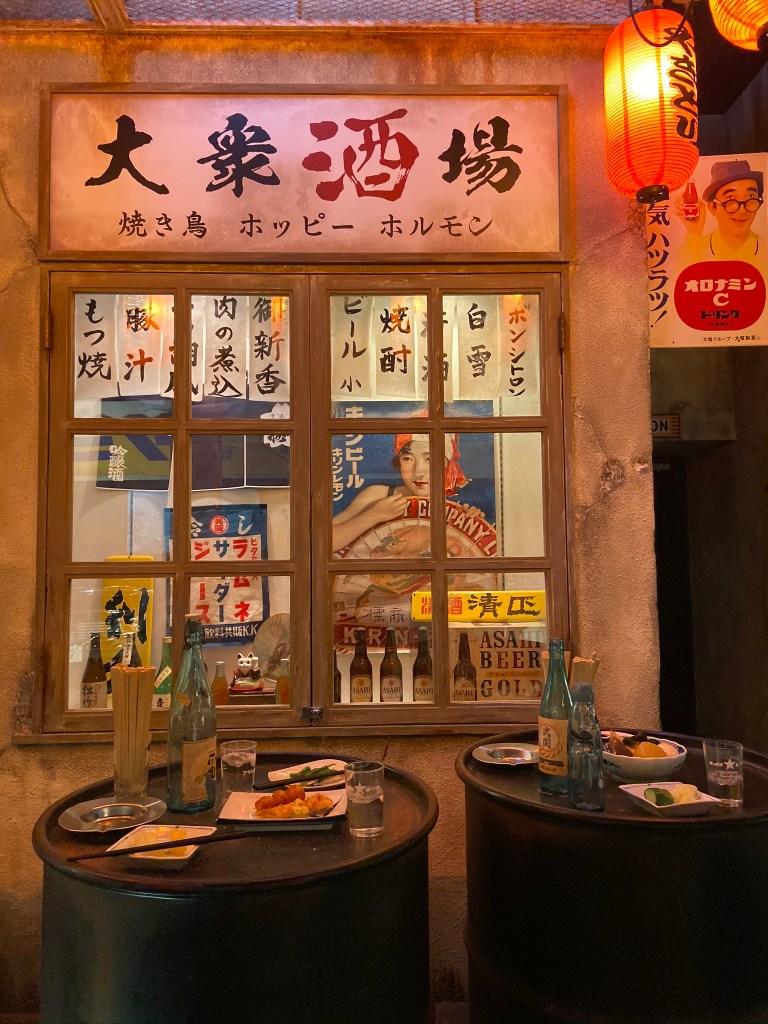
Detailed display in car museum 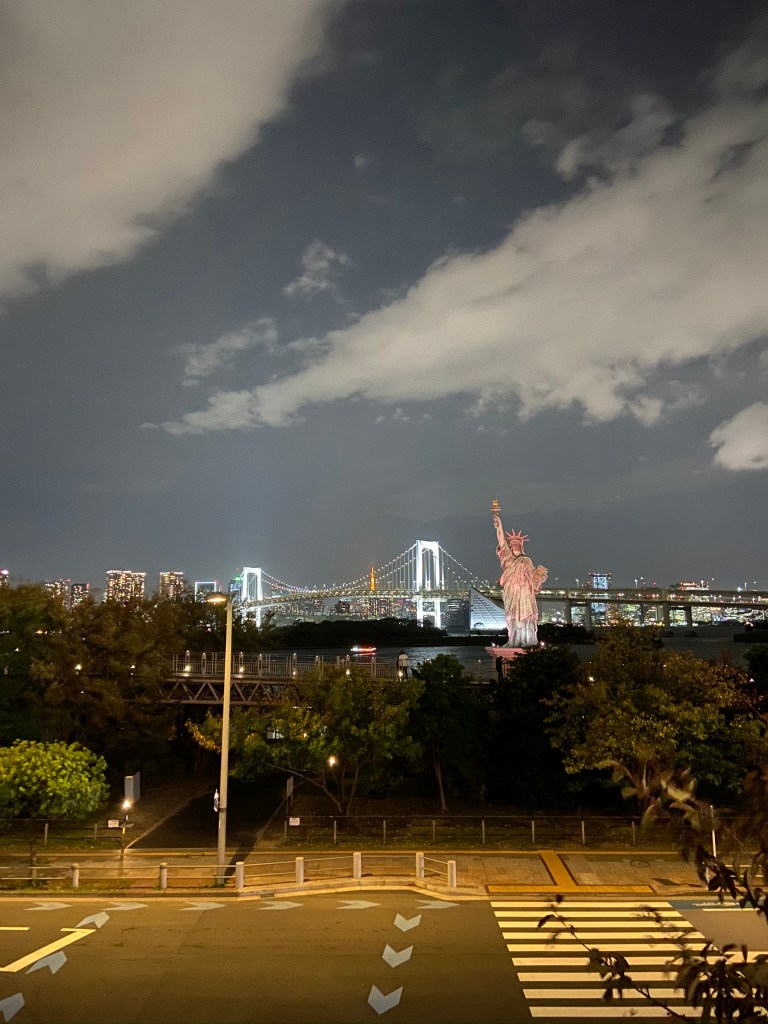
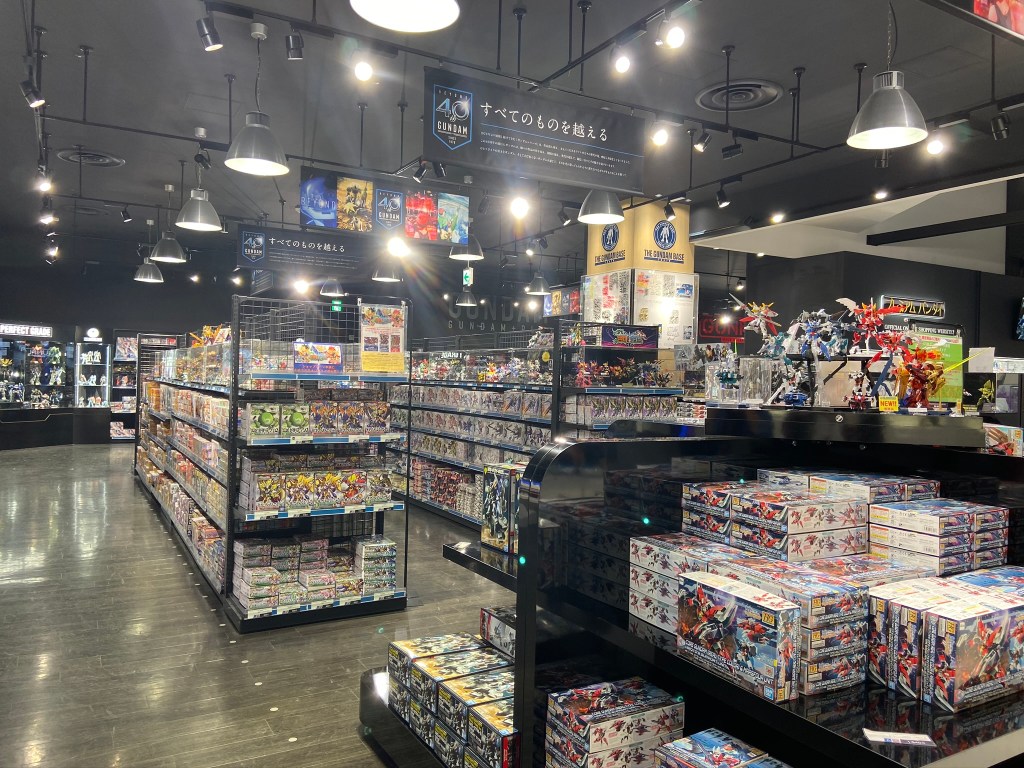
A small part of the Gundam Base 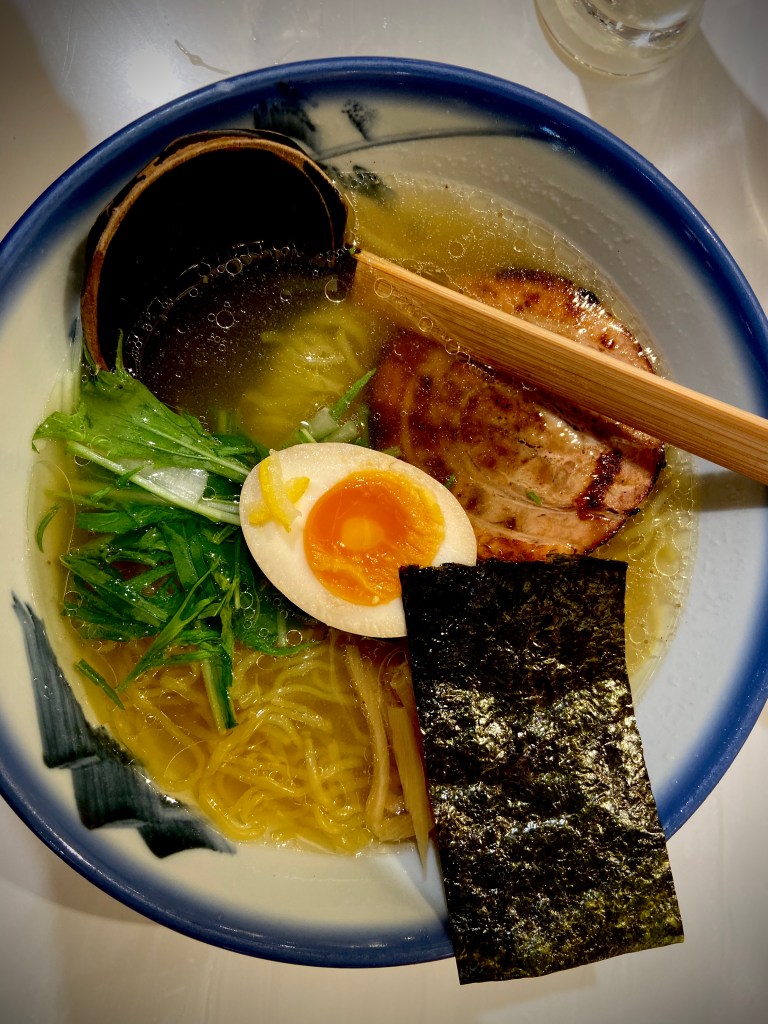
Afuri ramen
After snapping some pics, we rushed back to Shinjuku (very late) where we grabbed ramen with our friend at Afuri, a ramen shop that specializes in yuzu broth (yum!) and has konnyaku noodles (konnyaku is made from…a sort of yam? Sort of? Go read about it on Wikipedia). The shop was very cool with great food and you placed orders by making selections on a machine and handing the resulting slips to the host. It was honestly very confusing and I don’t think I would have figured it out without my friend who had been before.
Day 5: Tsukiji Fish Market and Train to Hakone
We started our day with a last minute trip to the Tsukiji Fish Market before leaving Tokyo. We grabbed lots of tasty snacks through the market, including fishcake, mochi with strawberries, grilled squid, and some incredibly fresh sushi.
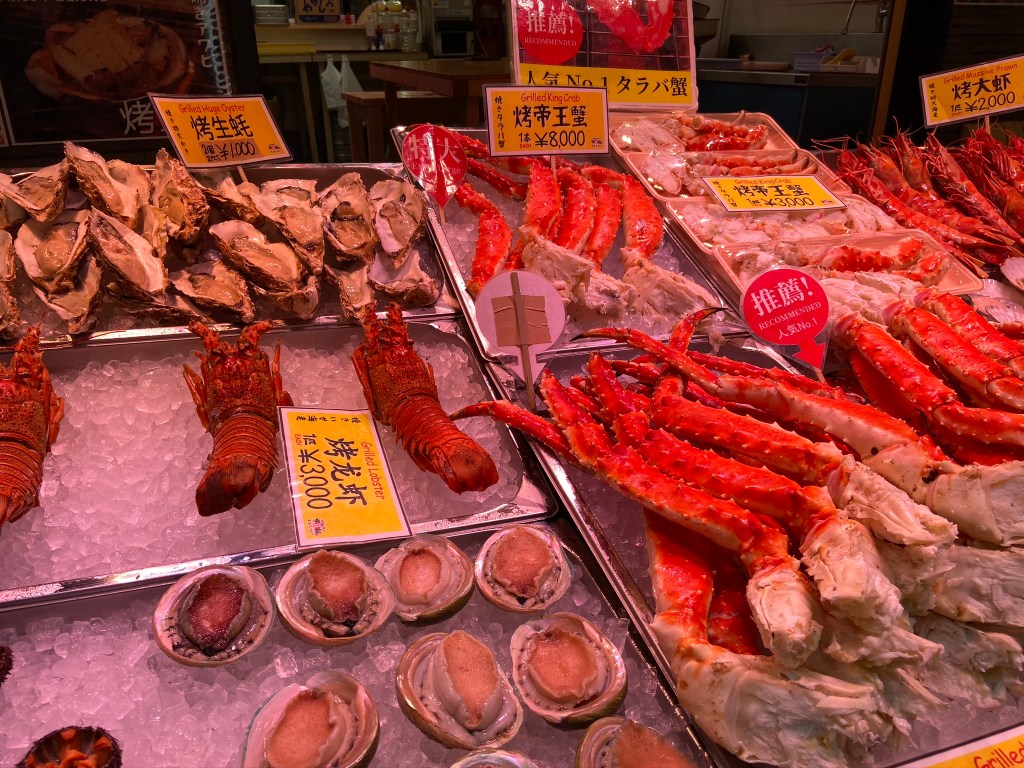
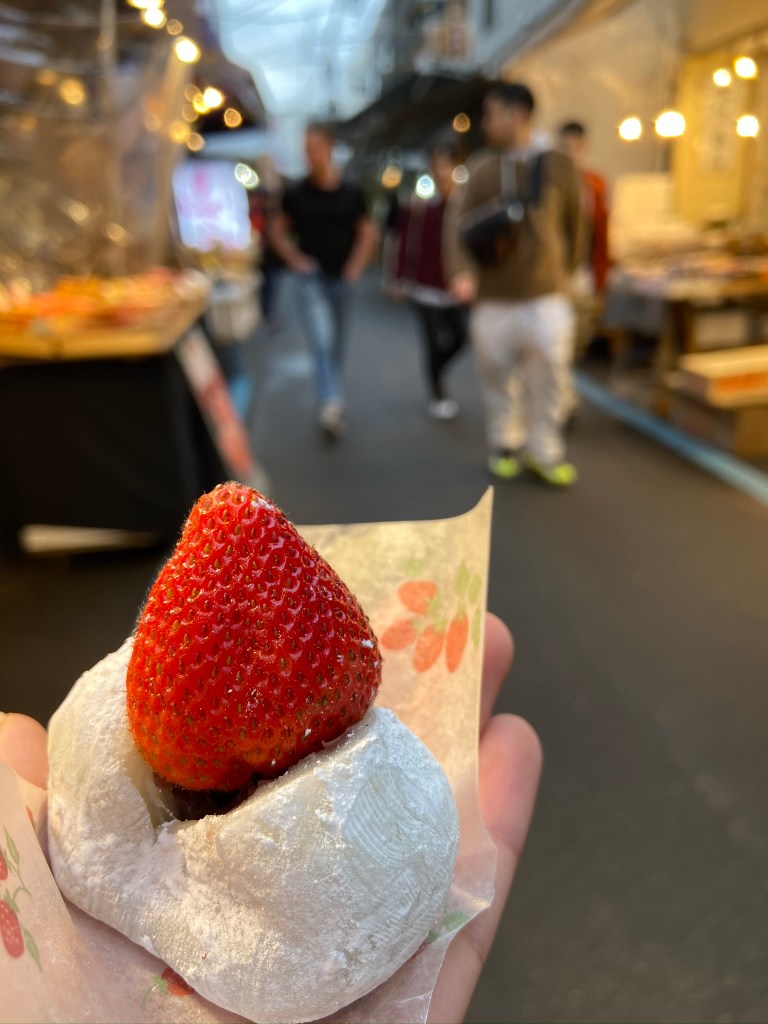
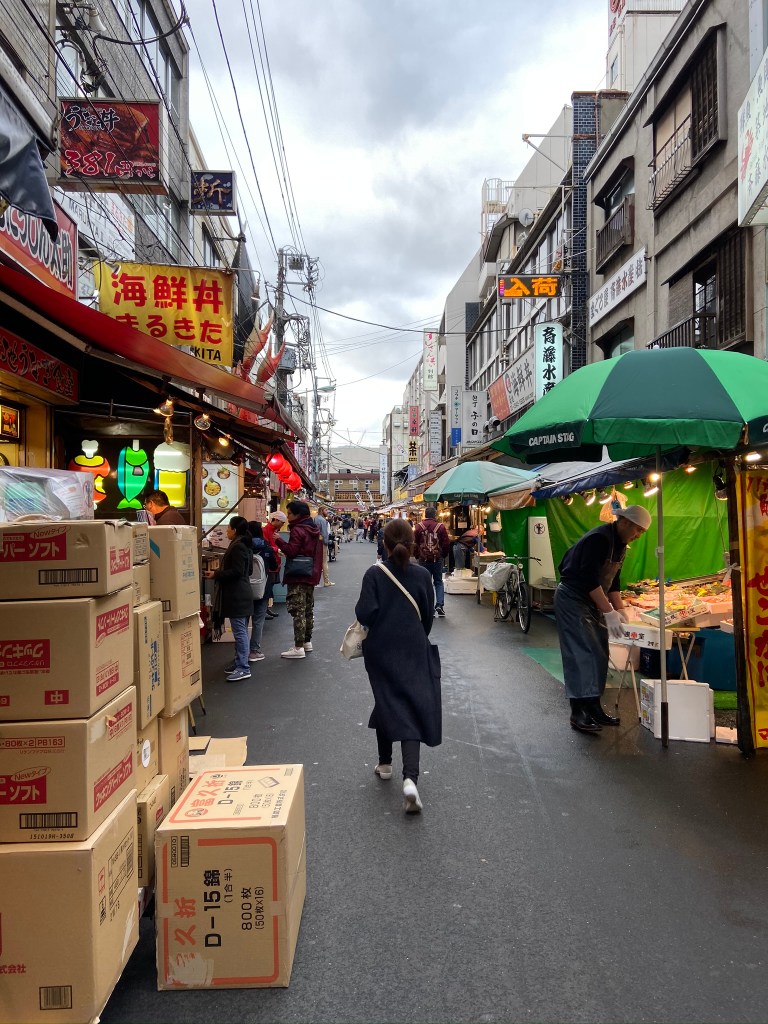
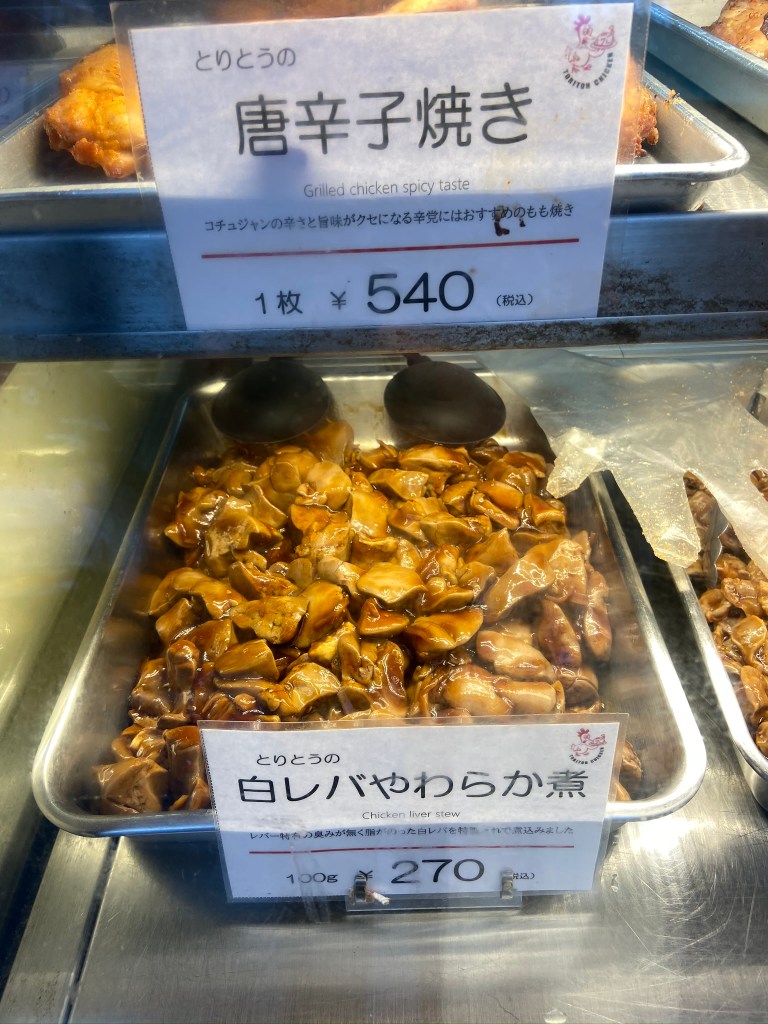
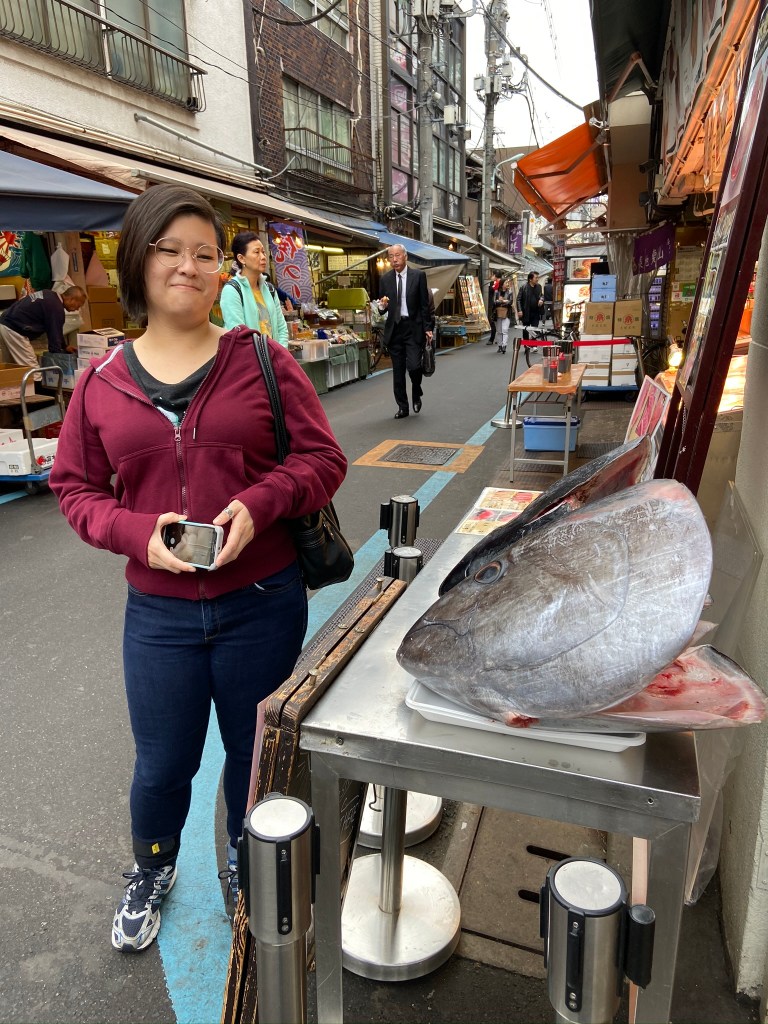
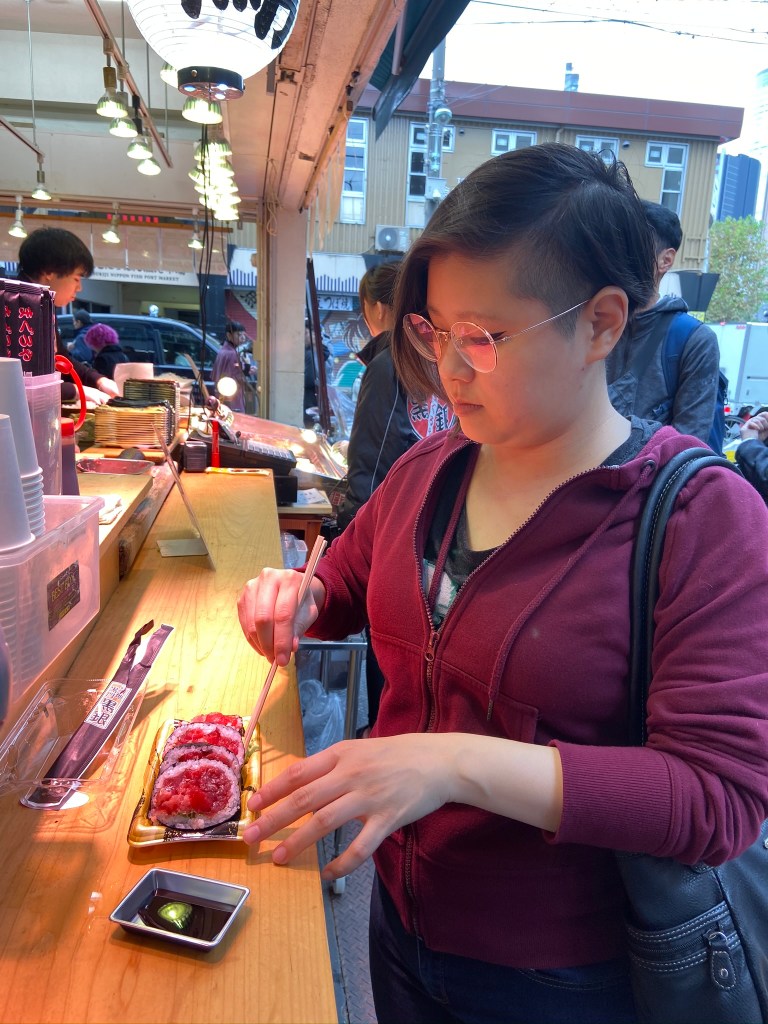
After, we headed to Hakone with the Hakone Pass (an absolute essential – I talk about it in the “Tips” section) and took the 1 hour train over. We saw Mt Fuji on the way, which was nice because it was too cloudy the following day to see it from Hakone.
It was a steep 15 minute walk up to our hostel, K’s House Hakone, which I would highly recommend! The hostel was lovely with an indoor and outdoor onsen (hot spring bath) that rotated between men and women between different times and days. Our roommates were two really sweet girls from New Zealand who we had a great time chatting with that night! Lockers are spacious and the security of the rooms and bathroom availability was good. The hostel was really social and had a large lovely common room with a view and kitchen with fridges for communal use. The vibes were really conducive to socializing and we ended up drinking and chatting with some folks on our second night there.
Because it was 3PM by the time we dropped our stuff at the hostel, it was starting to get dark so we didn’t have time to do much exploring, particularly since Hakone buses have last pick ups around 5PM. Instead, we explored the area around the hostel, ate a lot of manju (a baked filled treat, often region specific), some fancy custard, and went to the onsen at Hakone Yuryo for a long soak, which was excellent!
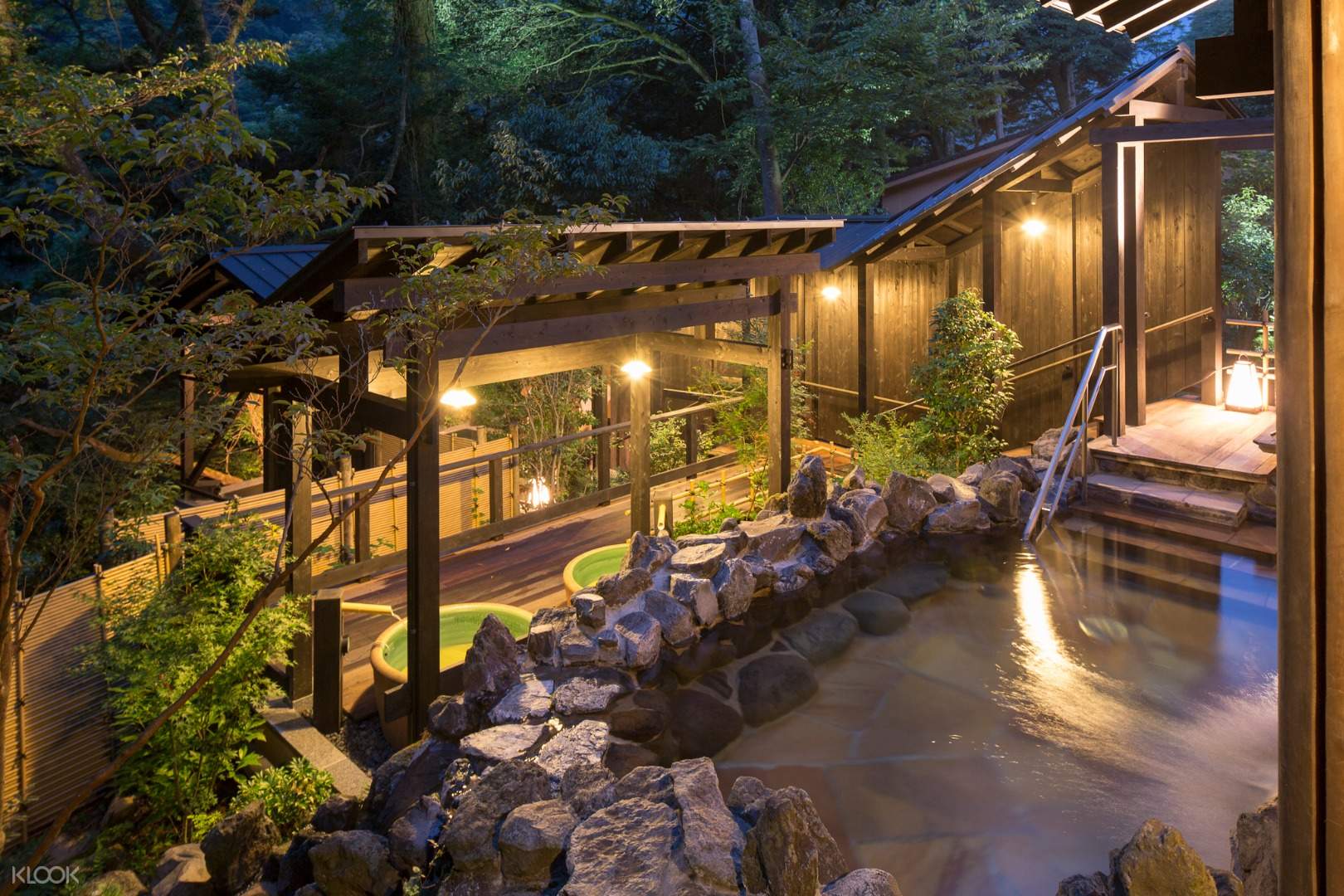
As some quick tips for onsen culture, it’s gender separated and totally nude. You can either bring a towel or rent (sometimes, though it wasn’t available here so we had to purchase some expensive towels). Having a “face towel” is key, since this is something that you’ll carry around with you between onsen and sometimes sit on for benches, etc. You start by undressing and putting your things in a locker and then take a shower. You then go nude with your face towel into the onsen area. Only real rules here are don’t get your towel in the water and tie up your hair if it’s long!
Day 6: Hakone Loop
Hakone’s whole deal is that: 1) you can go there to see Mount Fuji, and 2) you travel around the area in a loop using different forms of transportation. Since completing the loop was my top goal for the trip, we woke up bright and early to start the loop – kicking off with the Hakone Open Air Museum. This had been top of my list for the trip and it didn’t really meet my expectations (which were unreasonably high) but it did photograph well. Most of the collection is large outdoor structures that are particularly cool if you’re under 12, since then you can climb on and through some of the installations. I really came for the stained glass tower, which photographed really well but, again, unreasonably high expectations.
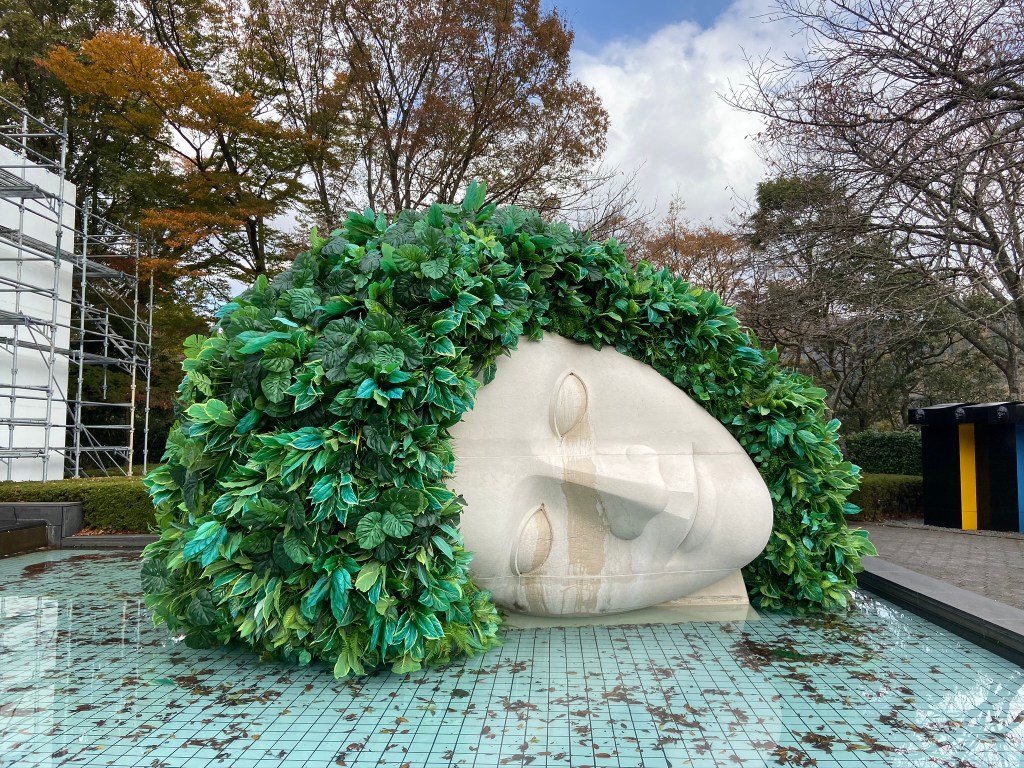
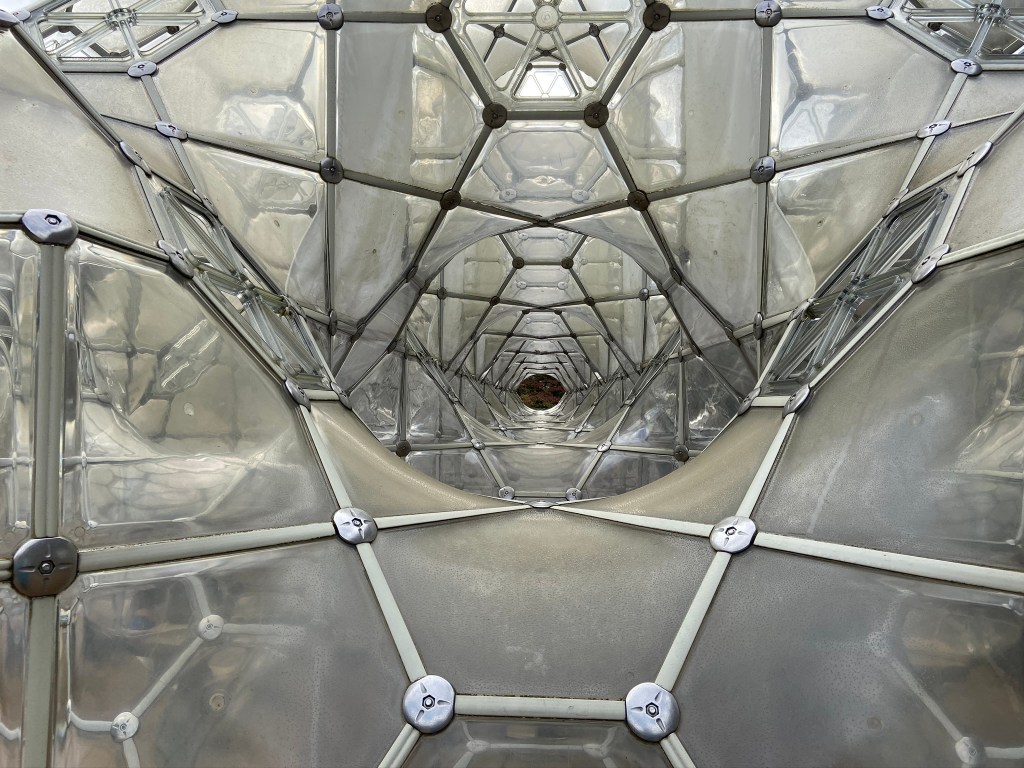
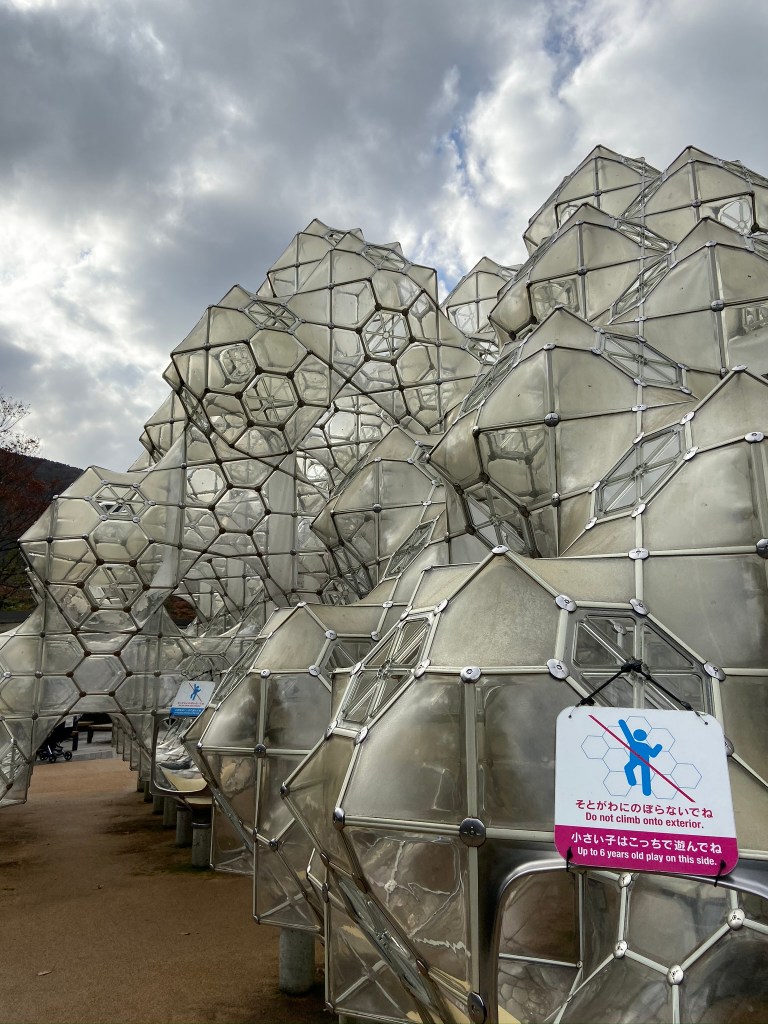
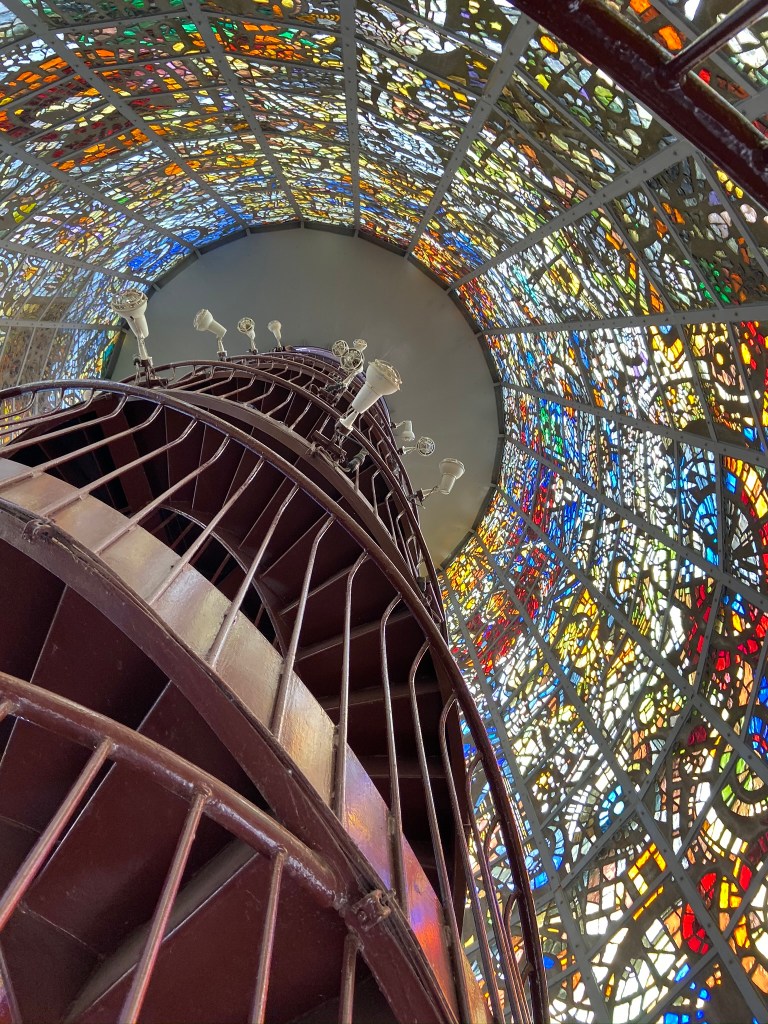
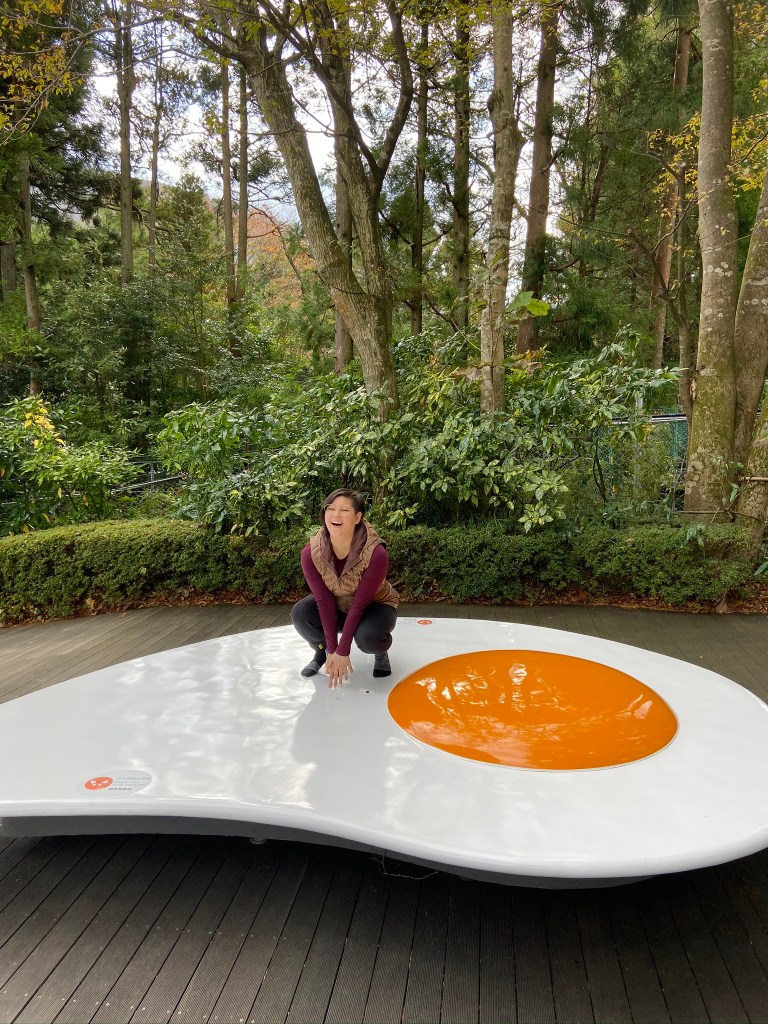
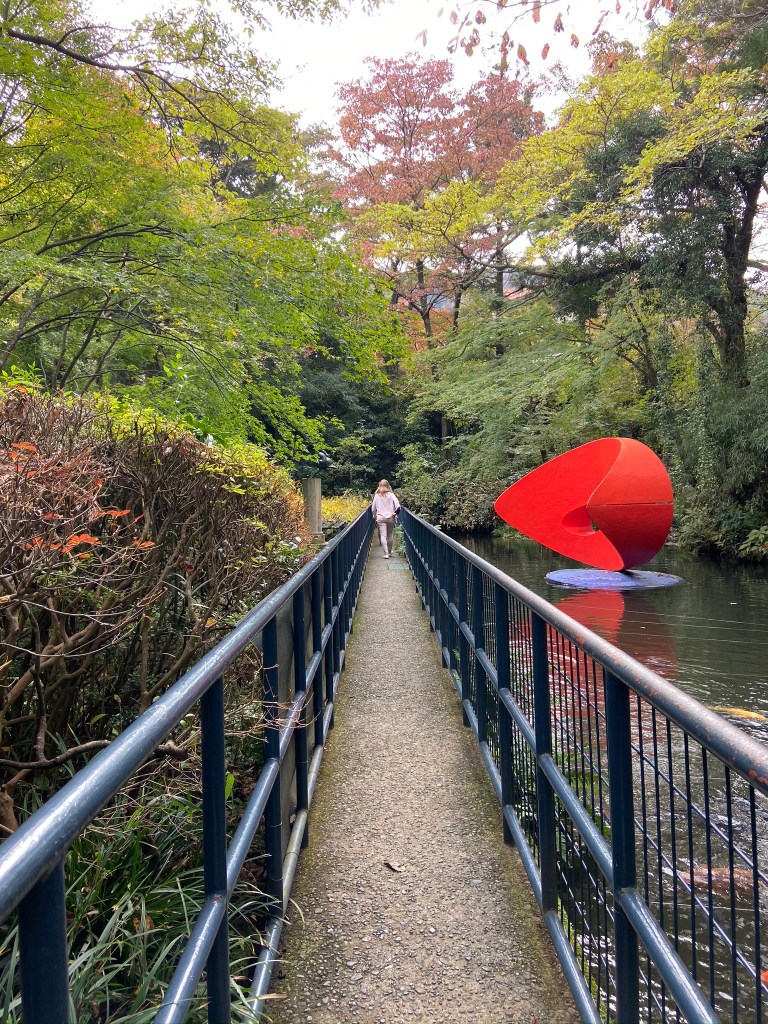
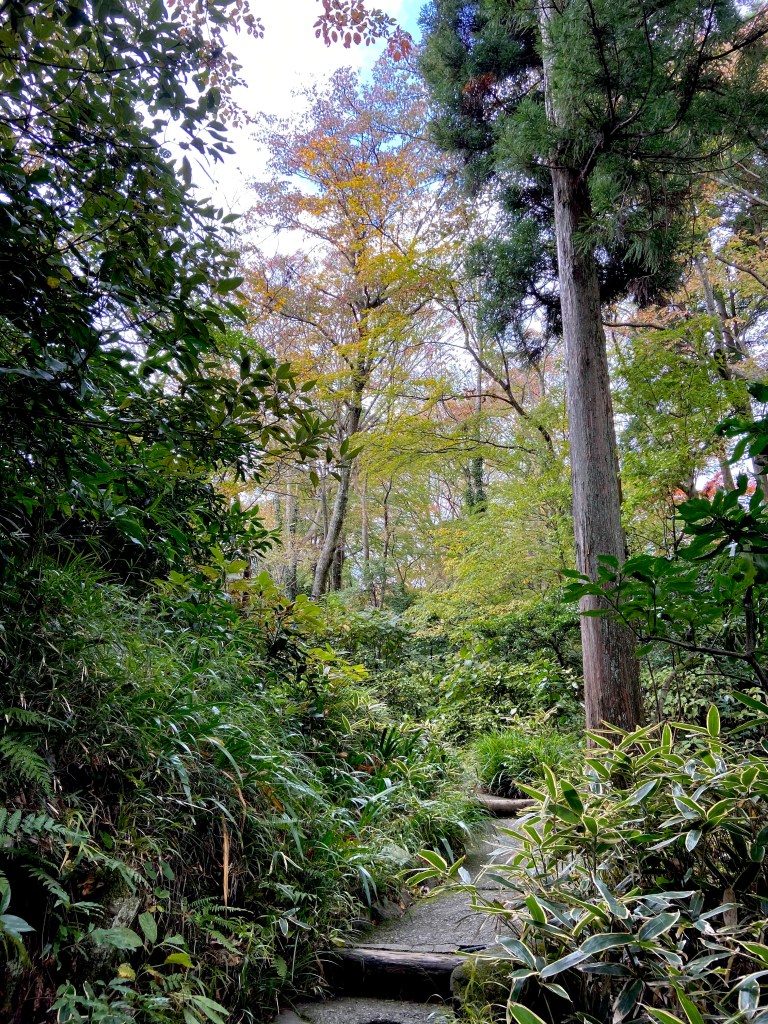
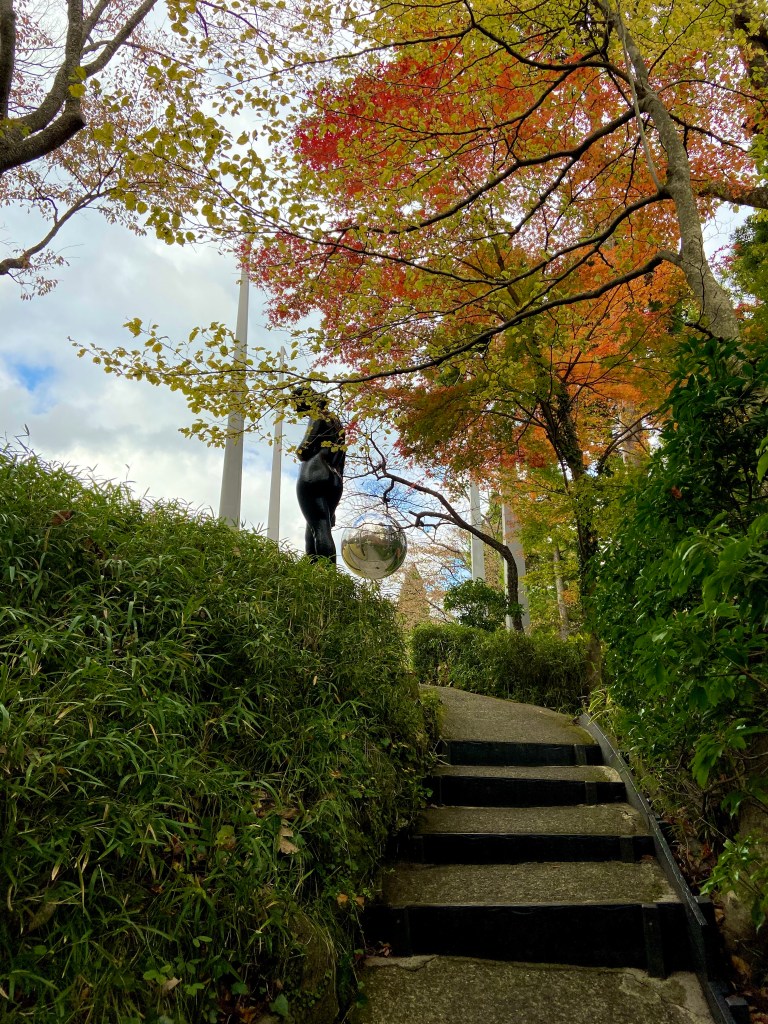
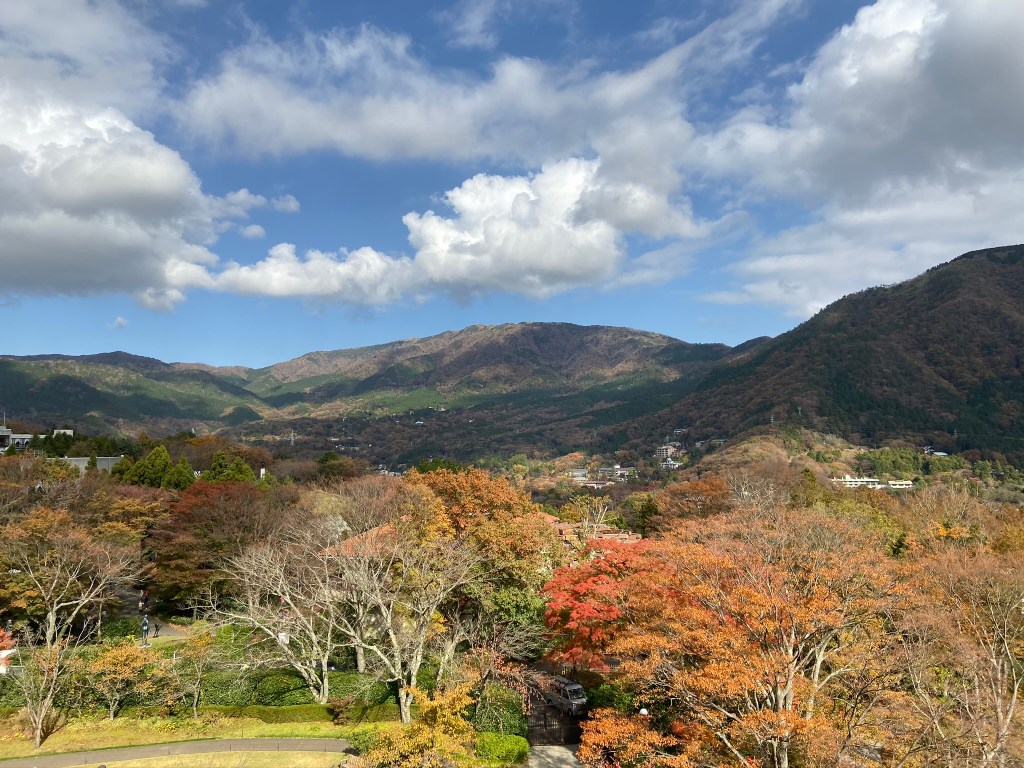
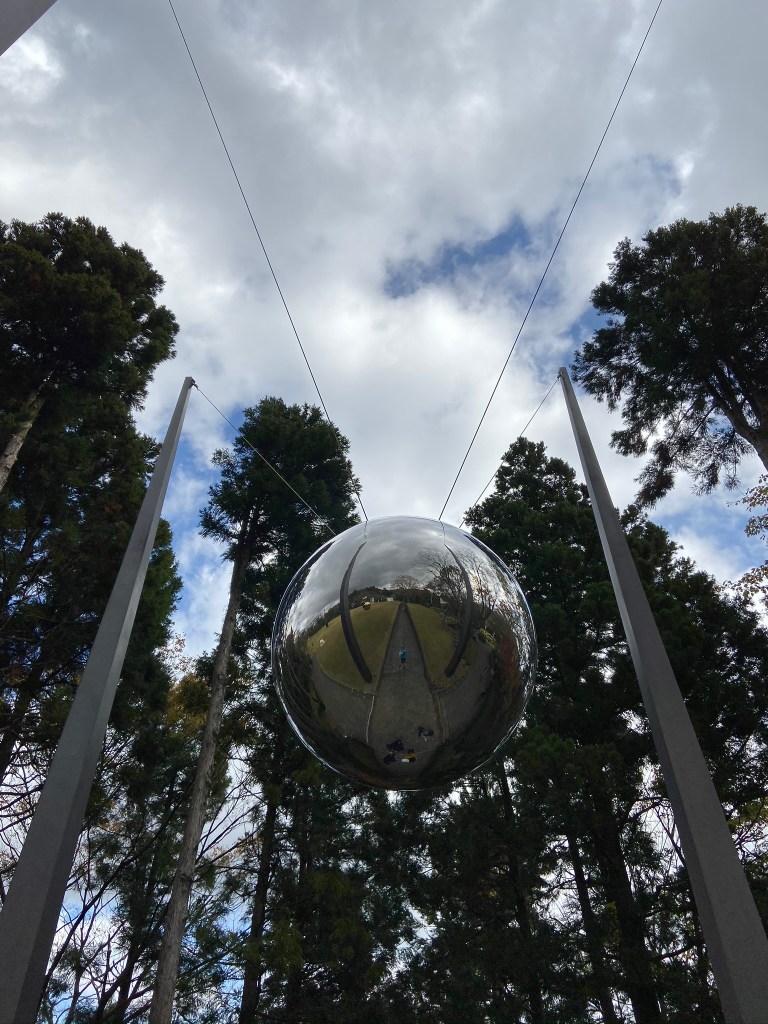
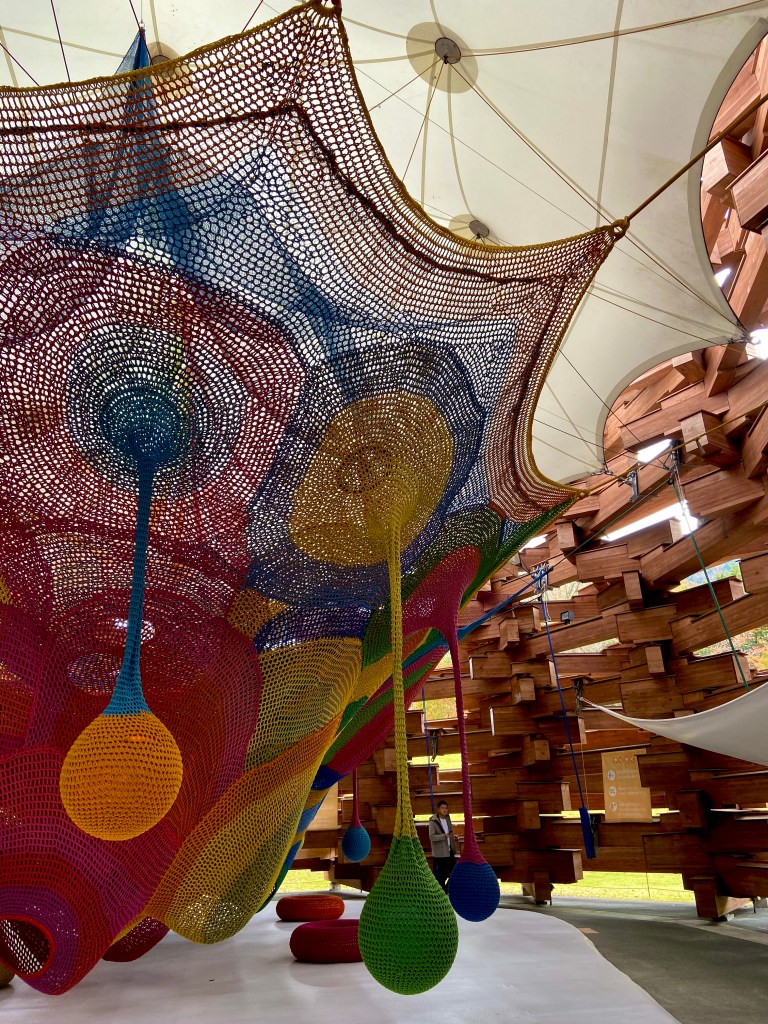
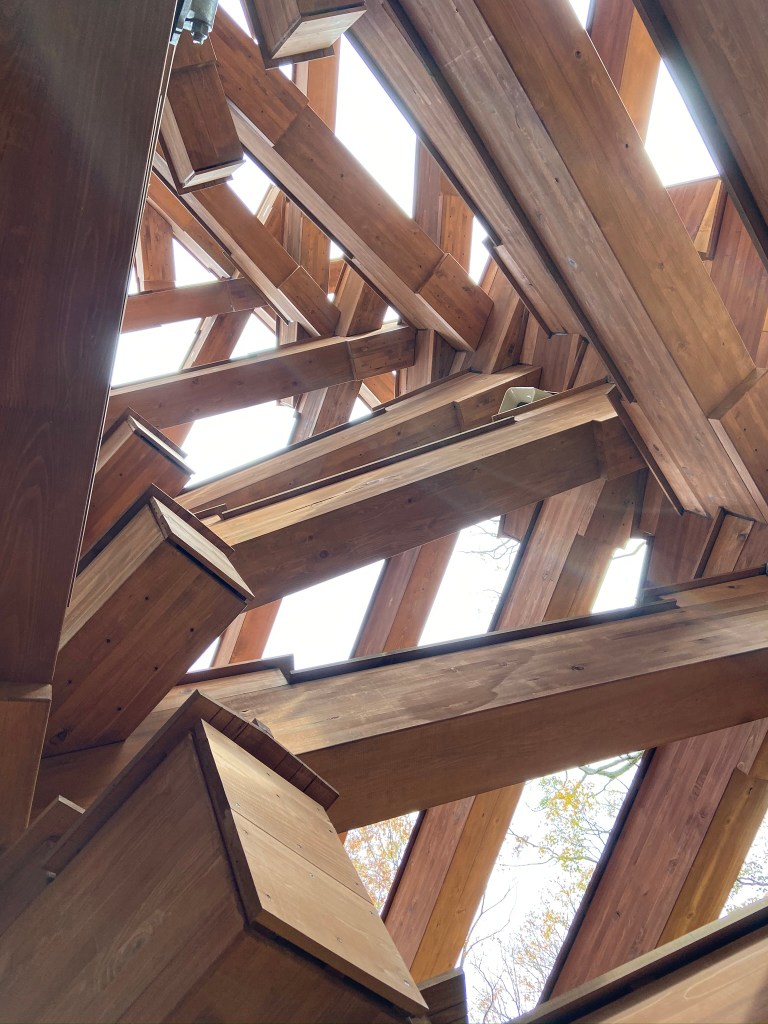
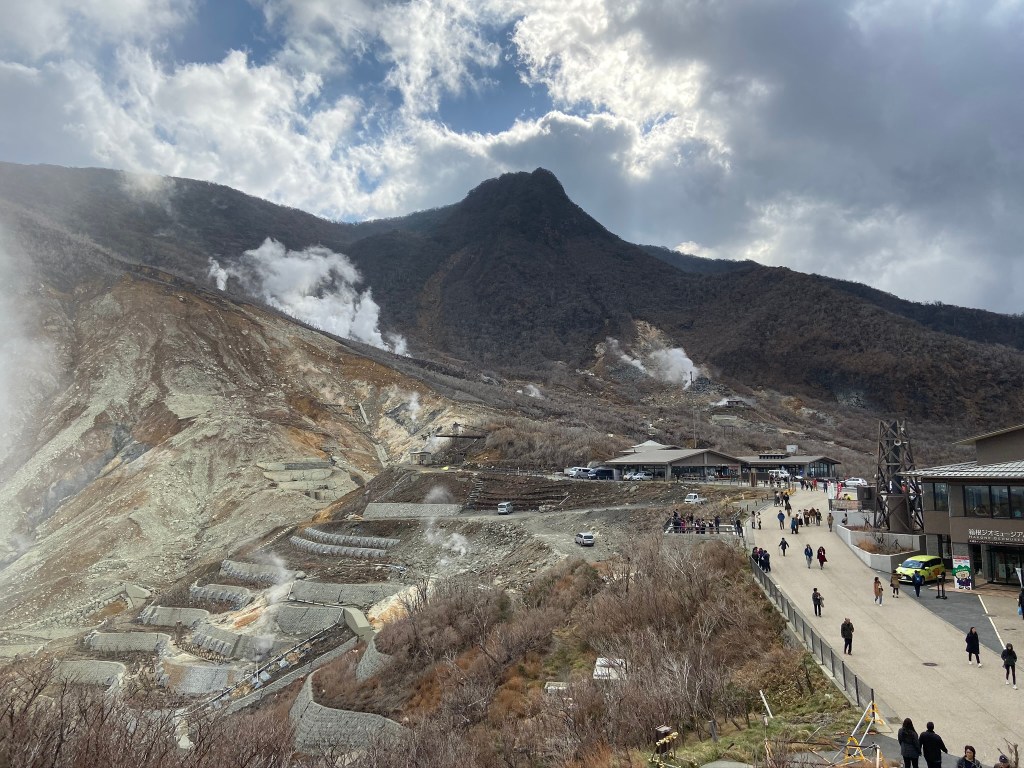
After the museum, we took the cable car and ropeway up through the loop – stopping to grab some eggs that they cook with the volcano (black, but otherwise totally normal hardboiled eggs).
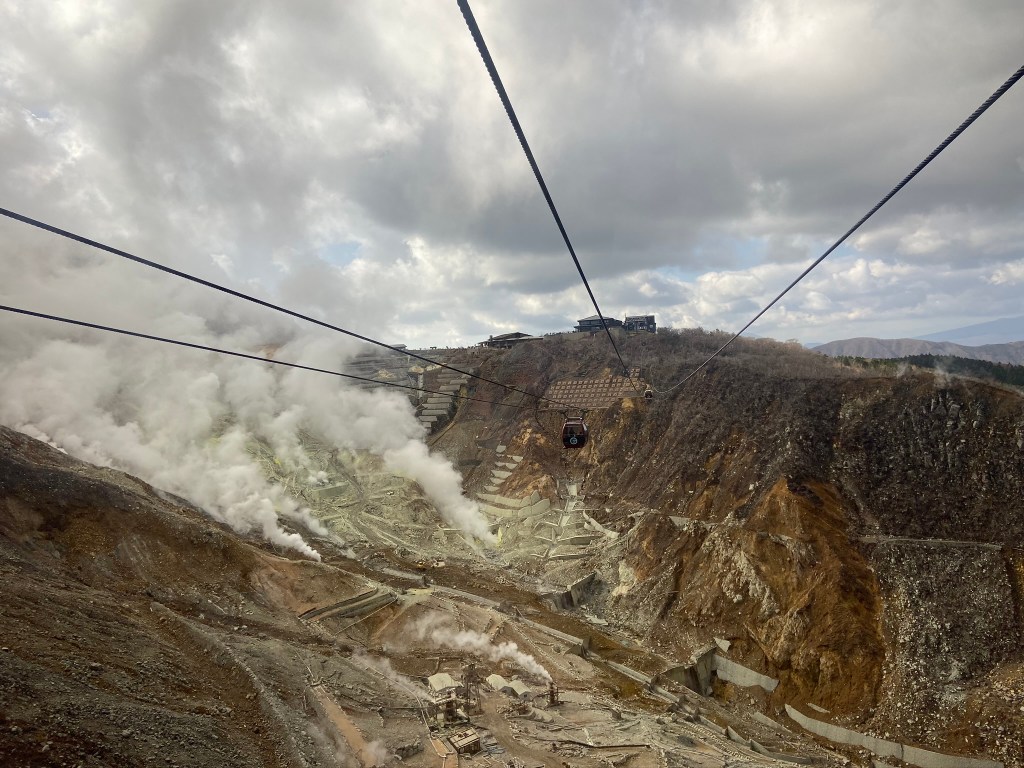
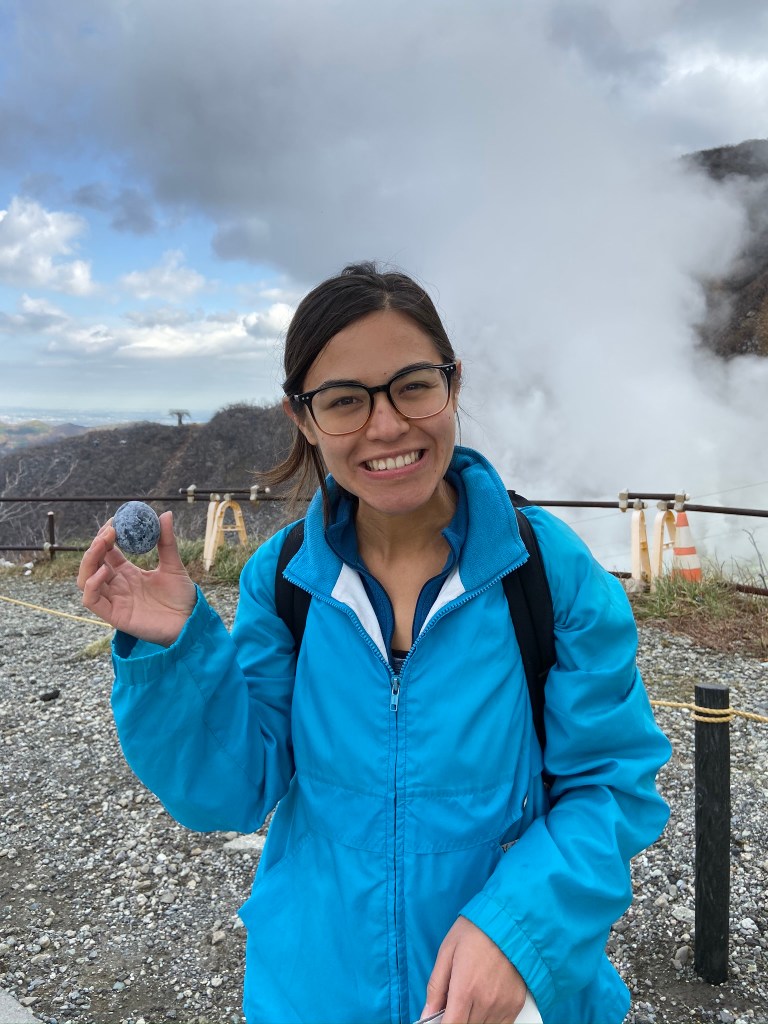
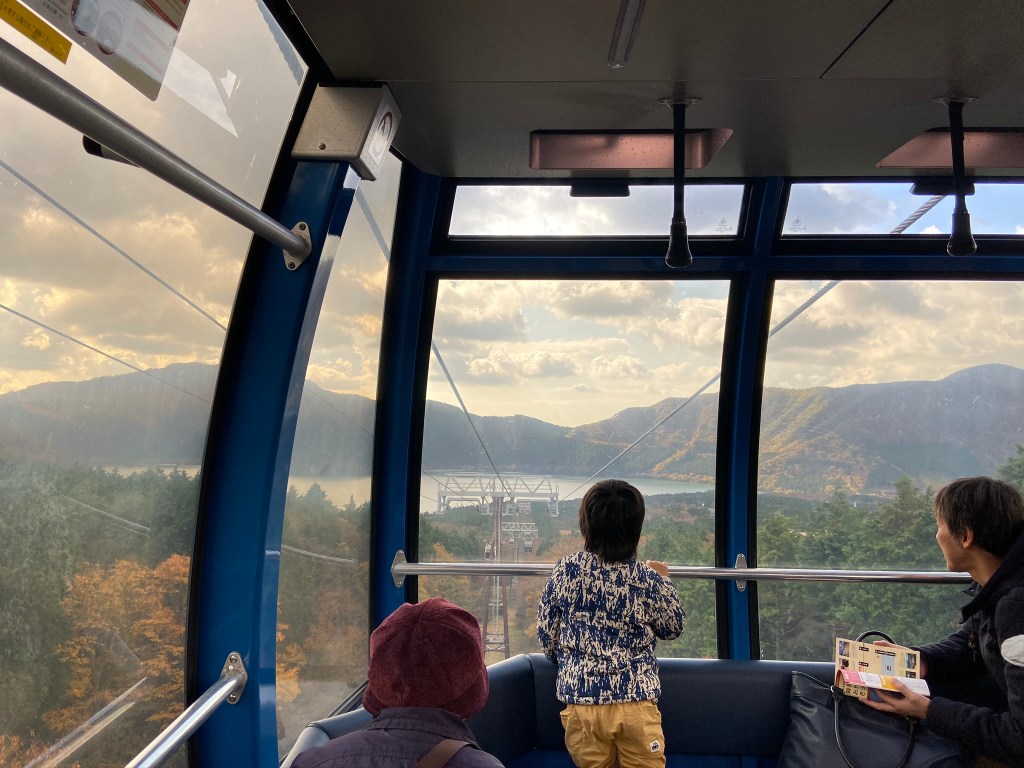
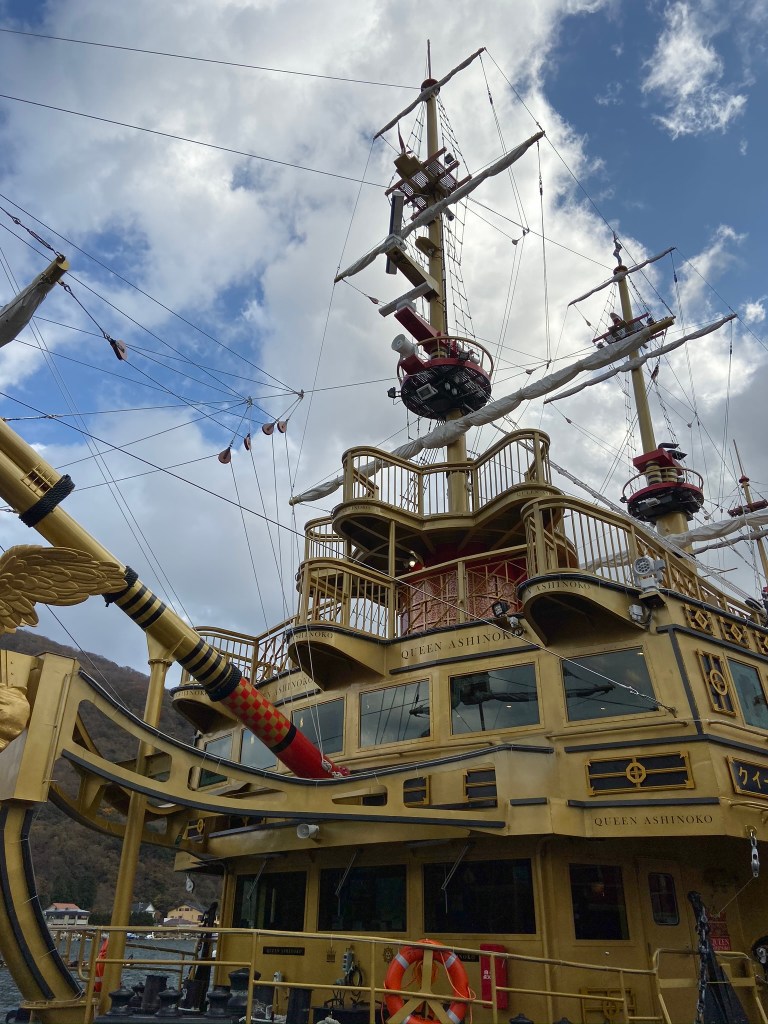
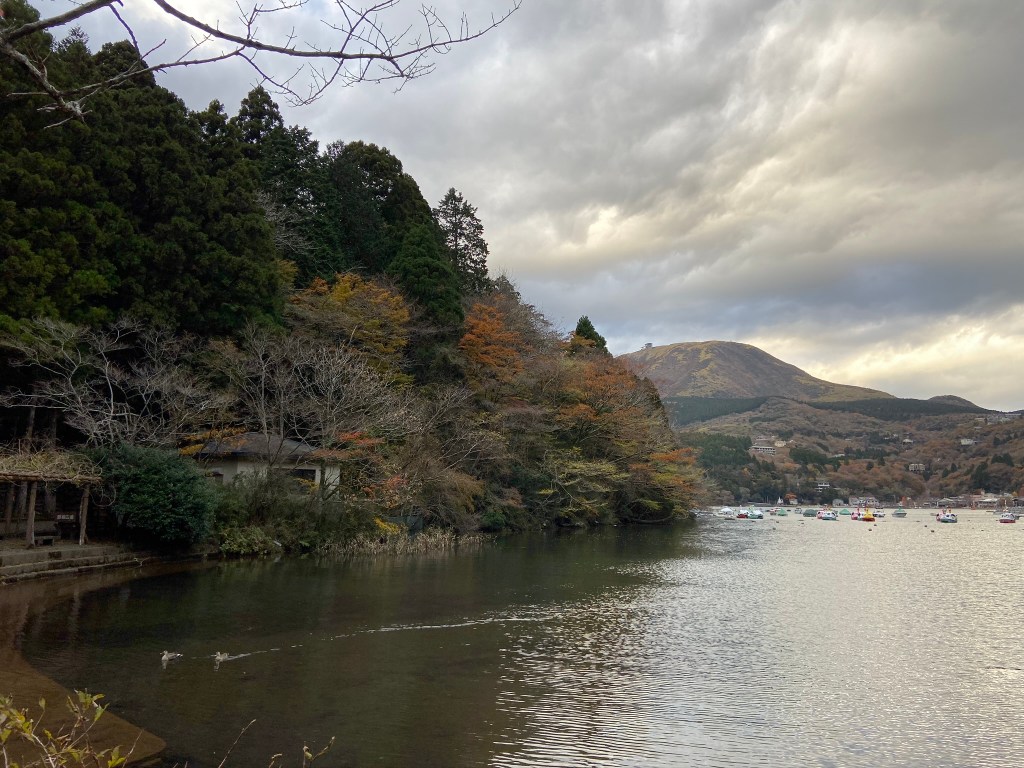
At this point, my friend and I split up so she could go to the grasslands in the north (super lovely pictures but she had some trouble navigating the buses back) and I took the pirate ship across the lake south! You can usually see Fuji from the boat, but it was too cloudy.
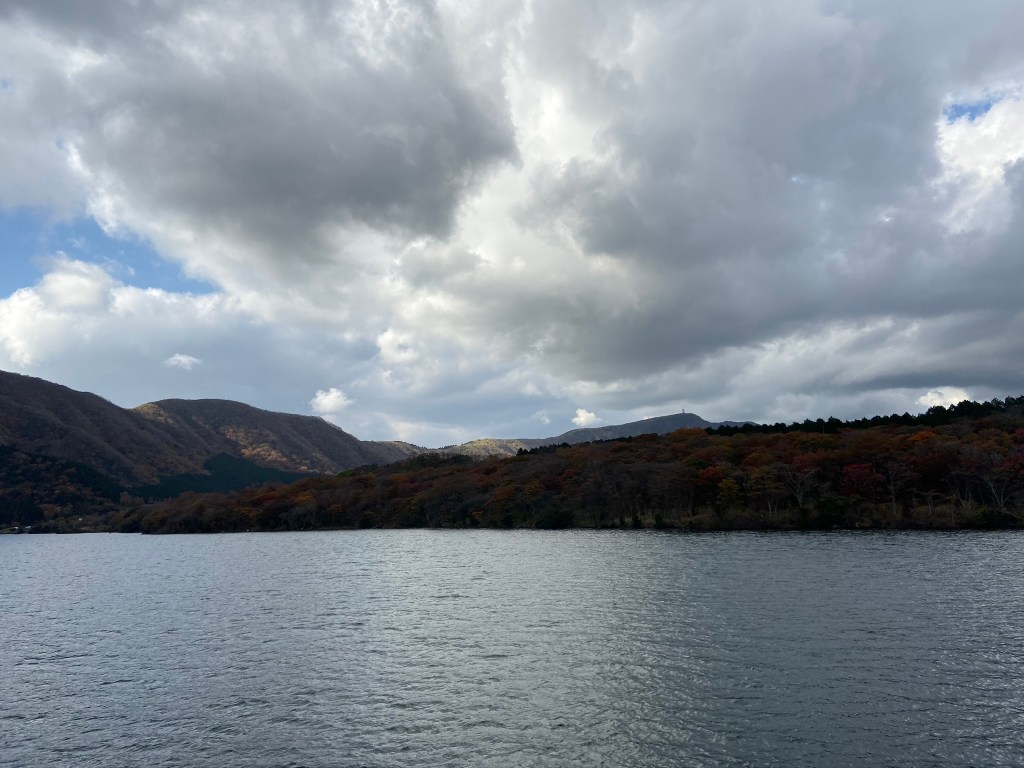
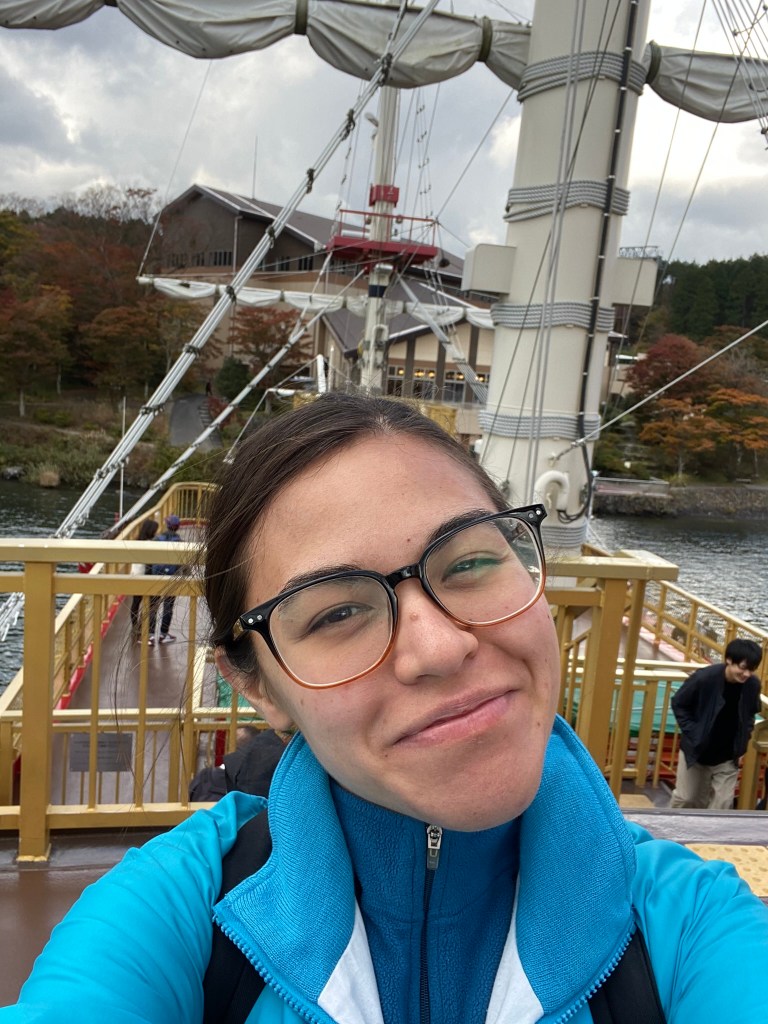
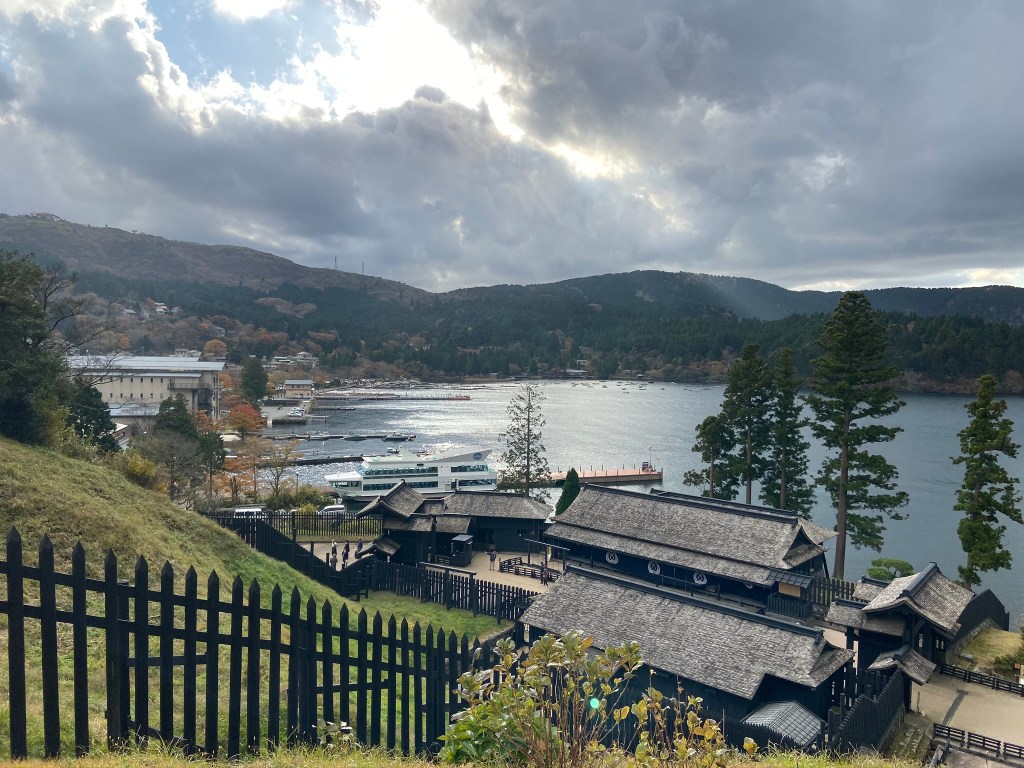
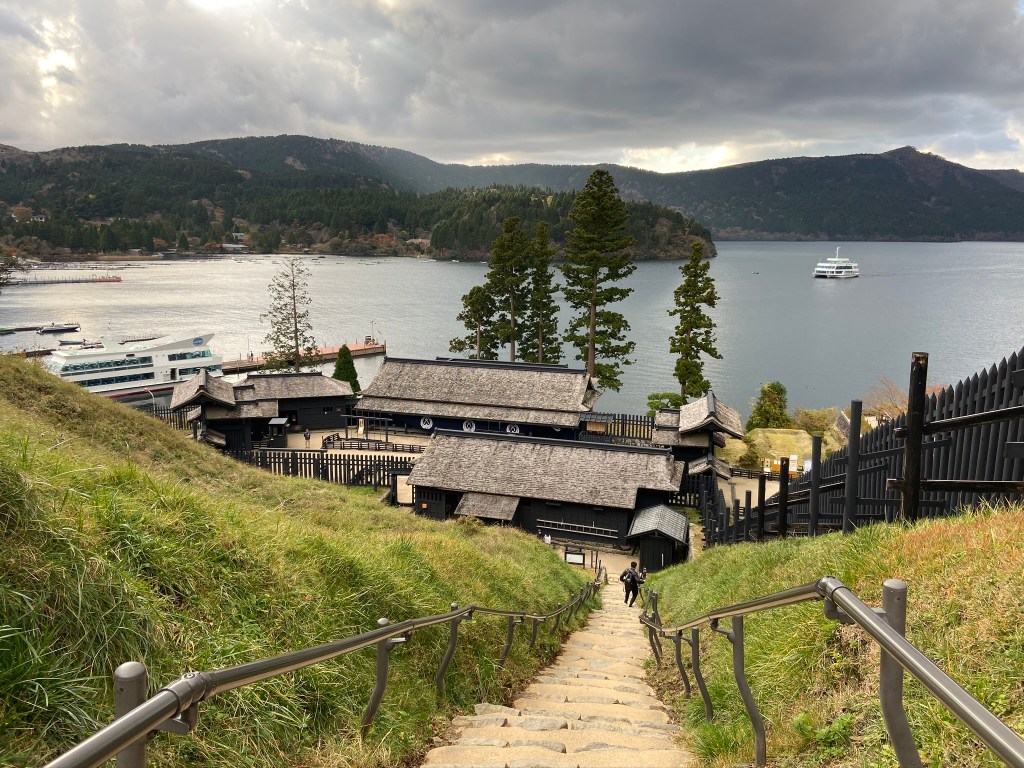
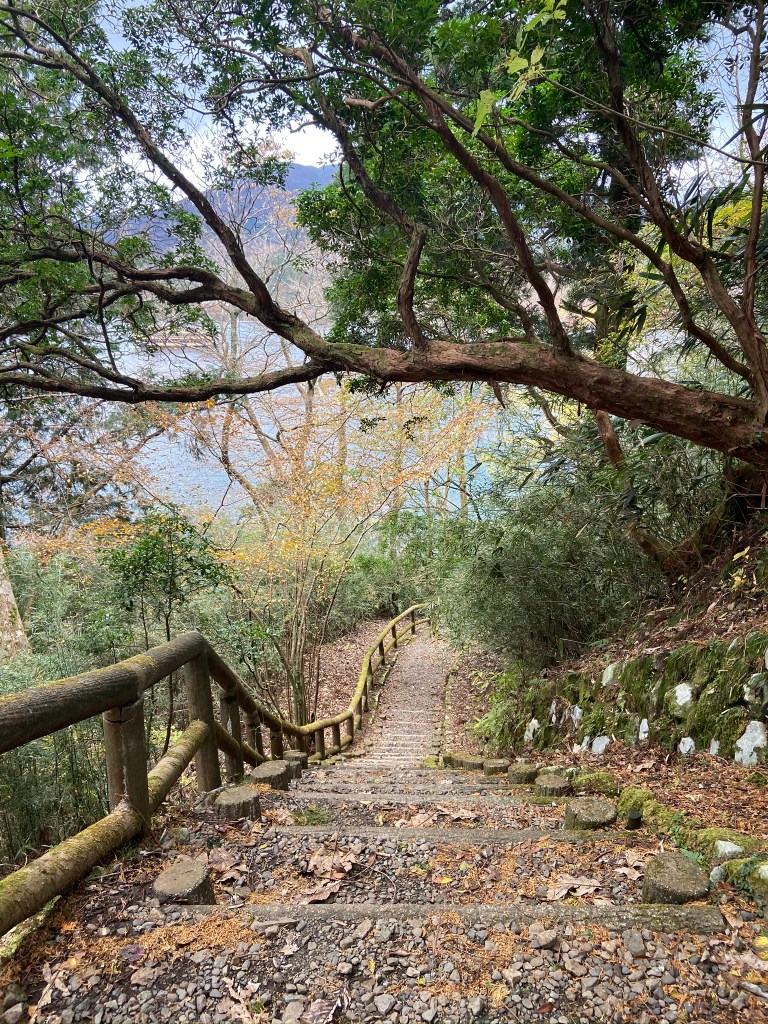
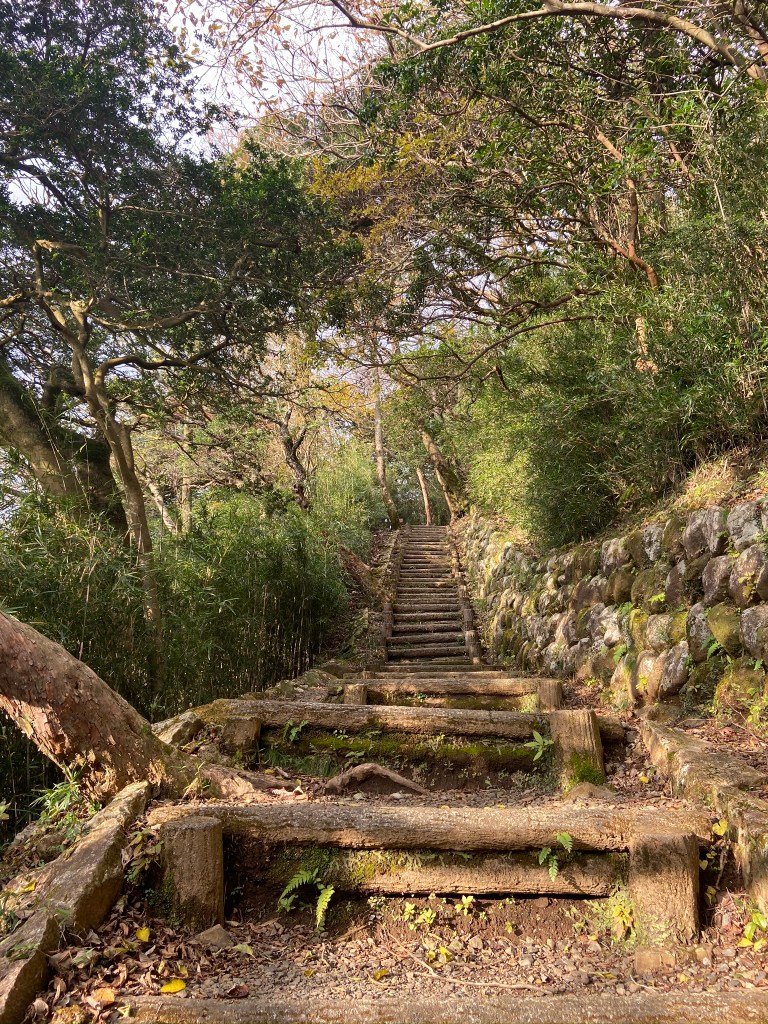
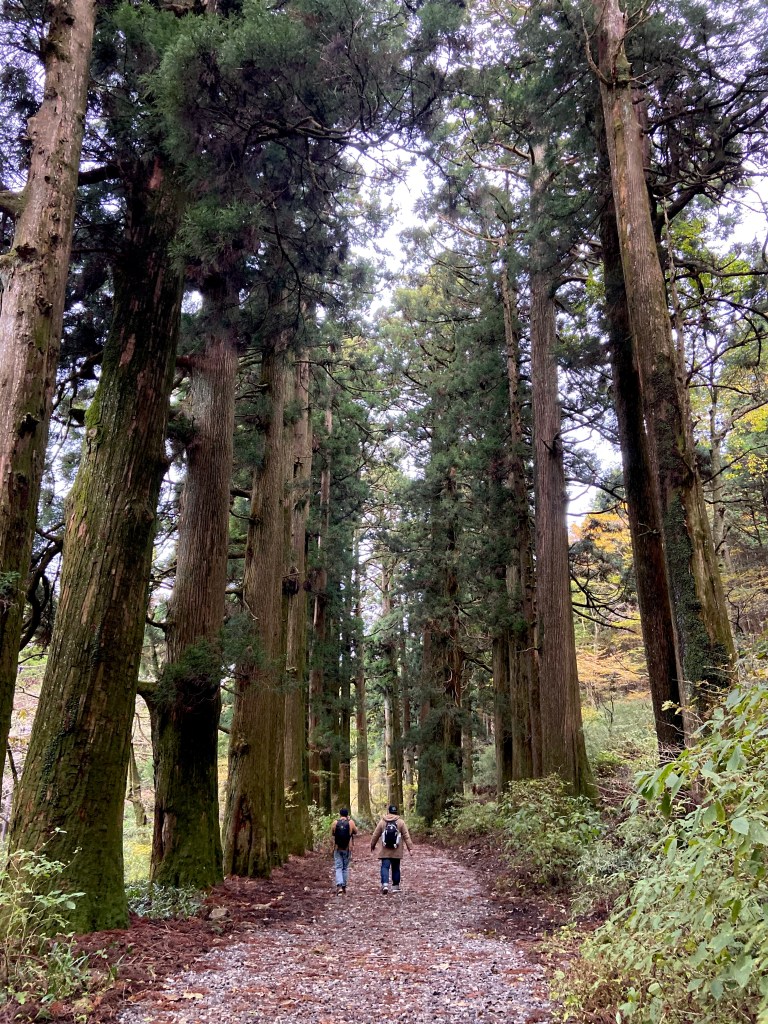
From there, I wandered around the Hakone Tokaido Checkpoint (honestly skippable), Onshi Hakone Park (a nice nature walk), and the Ancient Cedar Avenue (fine) – all in the same area. At this point, feeling pretty cold and tired, I grabbed a mix of craft beers and other drinks from a conbini (the Japanese beers were weirdly about the same $2/can that they are in the states?) and headed back to the hostel to warm up!
Day 7: Shinkansen to Kyoto, To-ji Flea Market, Kiyomizu-dera Night Illuminations
I woke up the next morning feeling pretty stuffy, likely not assisted by the drinking the night before, but otherwise feeling good!
We took the short train back to Odawara and then the Shinkansen (bullet train) to Kyoto. This was our most expensive train of the trip and came in at about $120 and took 2 hours. We ended up having some Mt Fuji views from here too!
Autumn was actually started in Kyoto, which afforded us our first real taste of fall leaves (peak leaf season is usually mid-November through early December, so it was running late).
We checked in to our hostel, Len Kyoto Kawaramachi, when we arrived and this hostel was seriously adorable. The bottom floor is a cafe/bar (a bit too hopping for my taste), decorated in a reclaimed wood and plant-filled way that wouldn’t look out of place in Seattle. The beds were comfy and we had nice sized lockers!
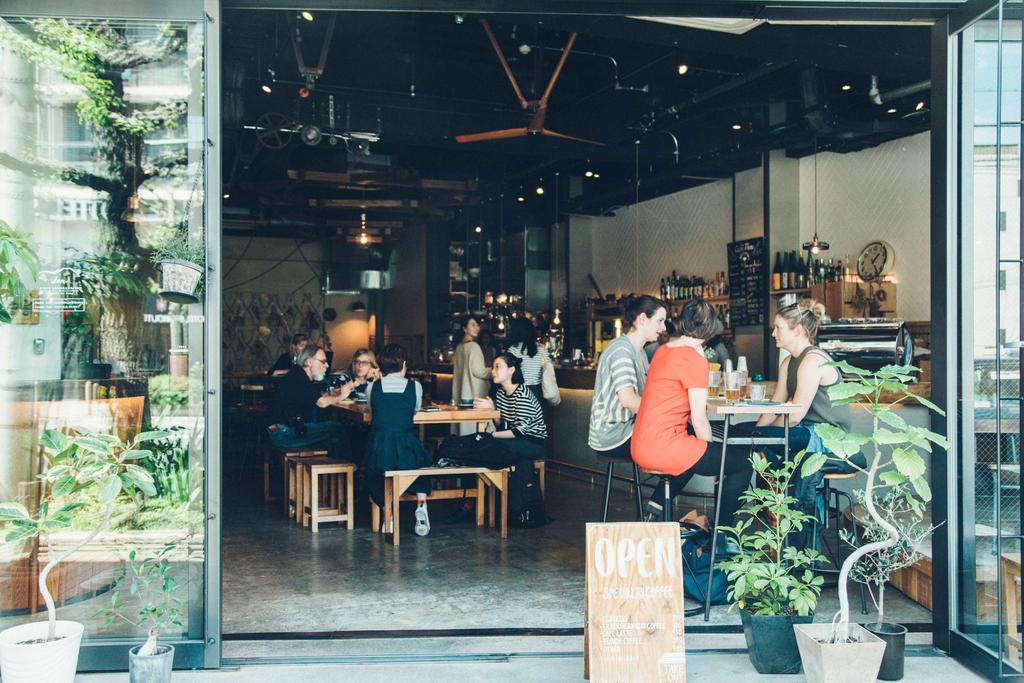
Cafe downstairs 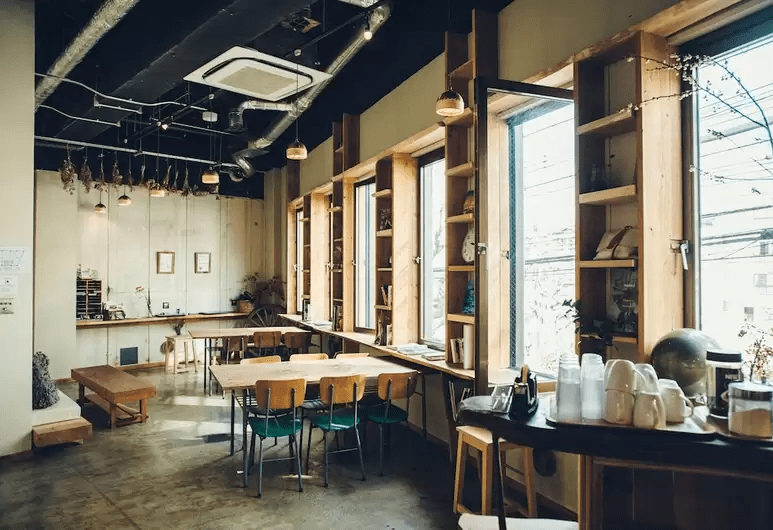
Common room
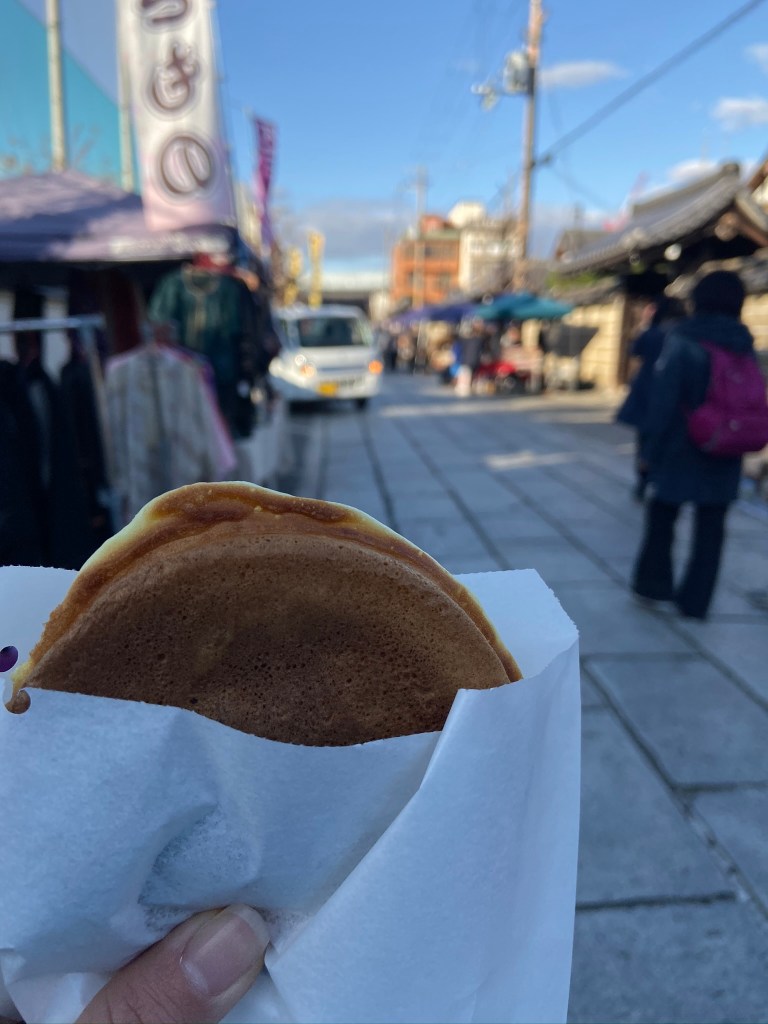
I checked to see if any local events were happening while we were in Kyoto and it turned out that To-ji Temple was having it’s monthly flea market that day, so we headed over! It was really fun, definitely one of the highlights of my trip, so I’d highly recommend it if you’re in Kyoto on the 21st of the month! The market was massive with a lot of used kimono and food booths (I got an adzuki filled pancake with yam – OMG, so good).
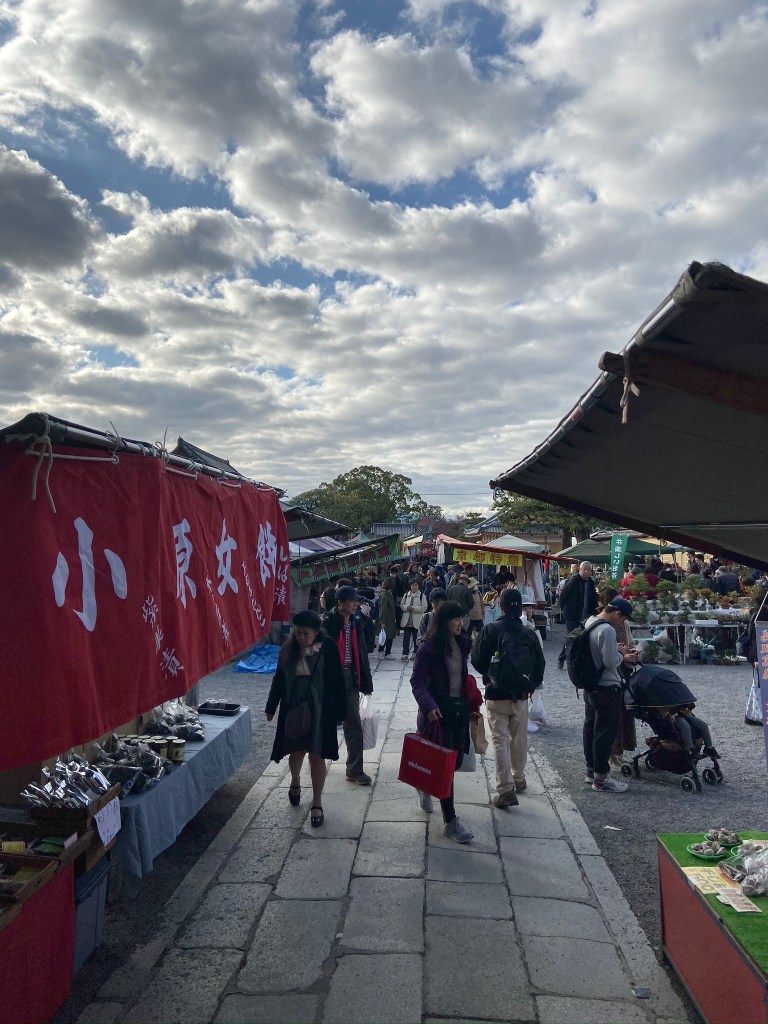
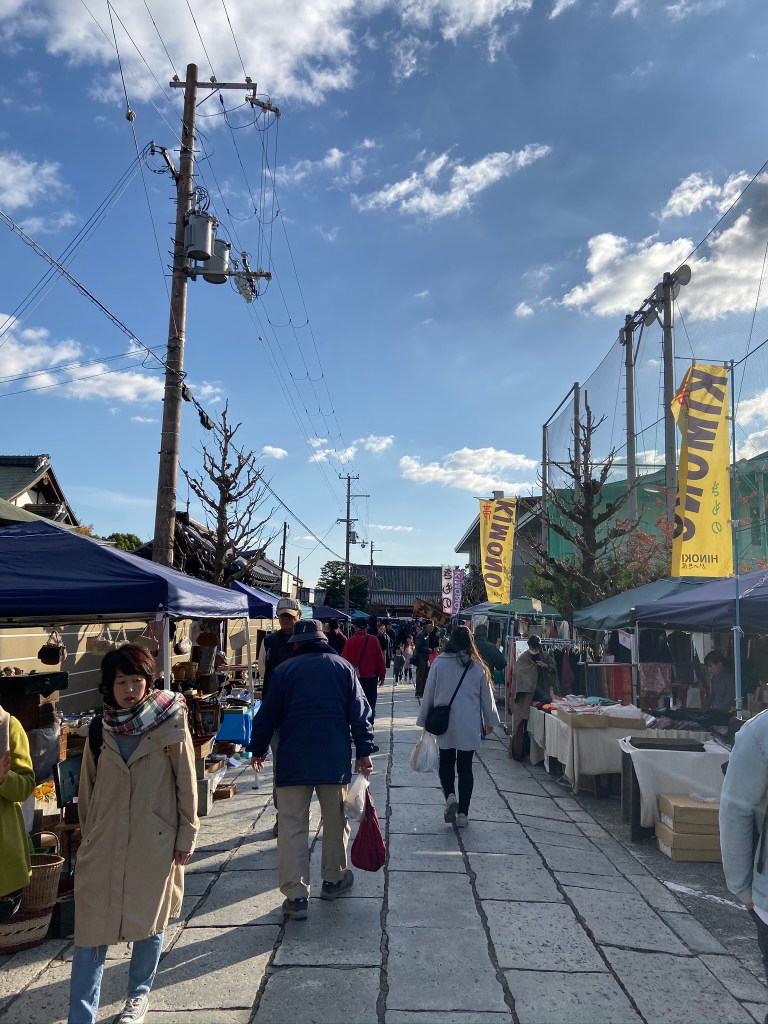
After, we headed to the Pokemon Center (personally I think the ones in Tokyo and Osaka are better) and Nishiki Market for some treats. I got octopus stuffed with quail egg, dango on a stick (a type of mochi made with rice flour), and hojicha (roasted green tea) soft serve, which I had been on the prowl for since I couldn’t find any in Tokyo.
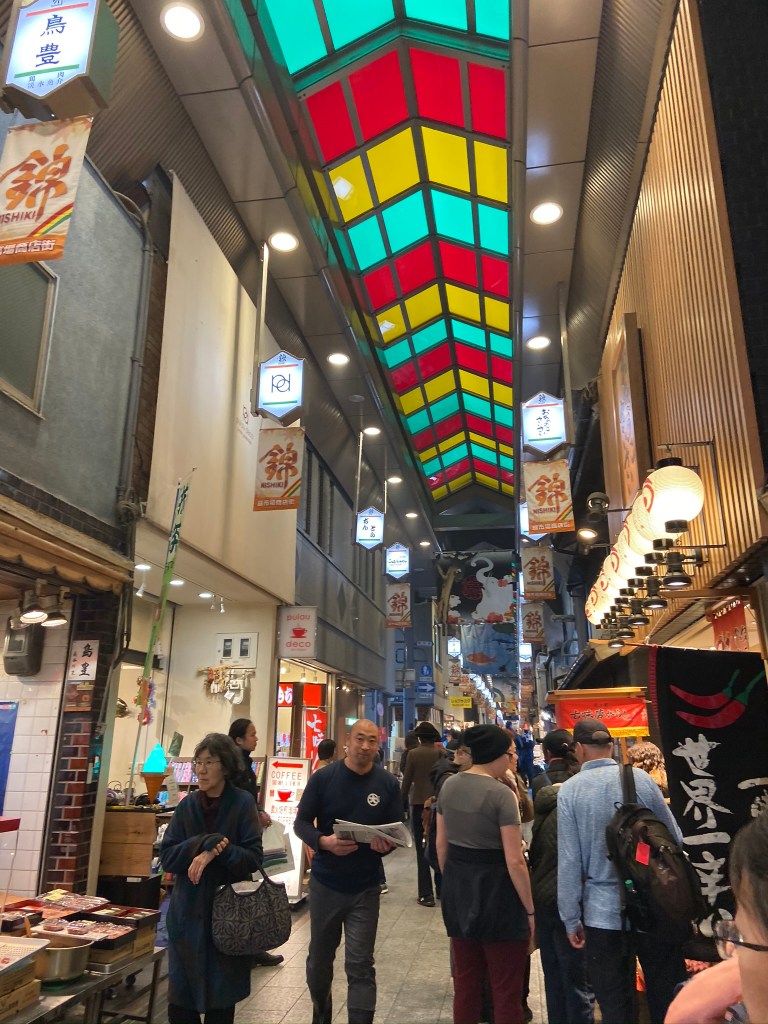
Nishiki Market 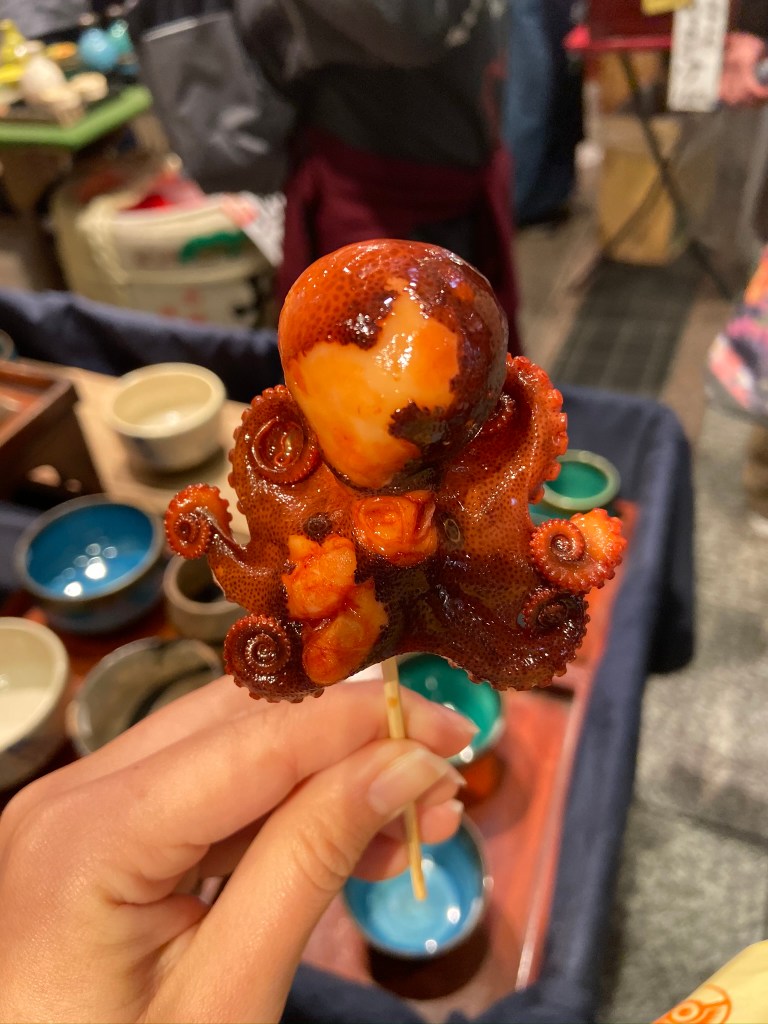
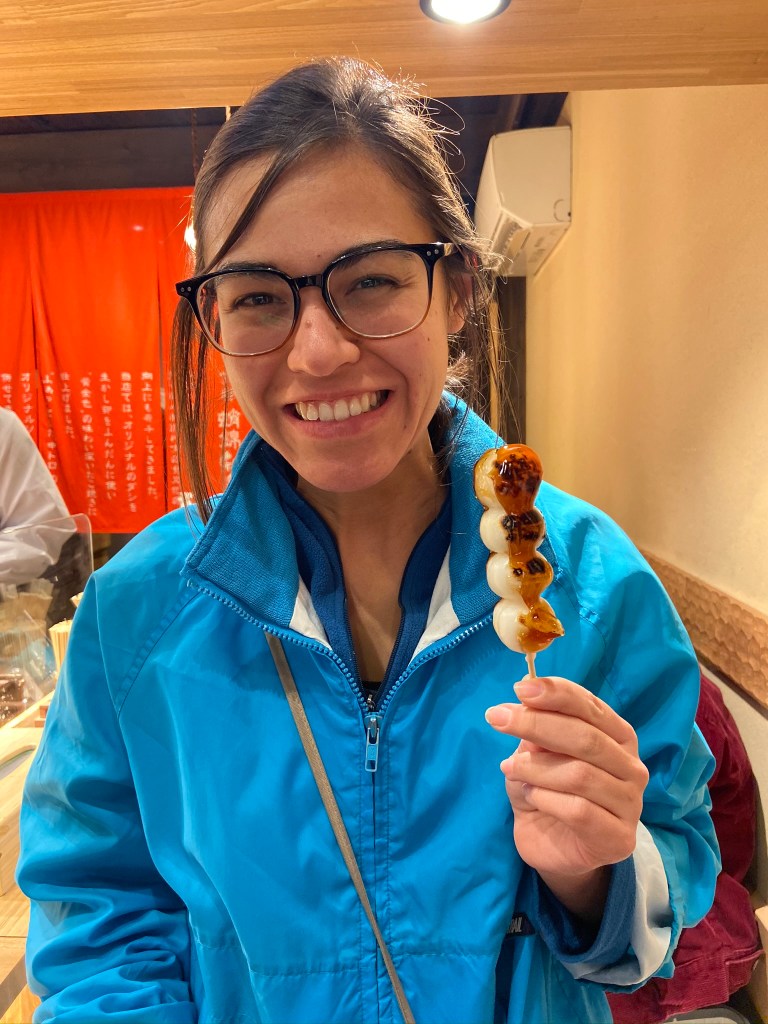
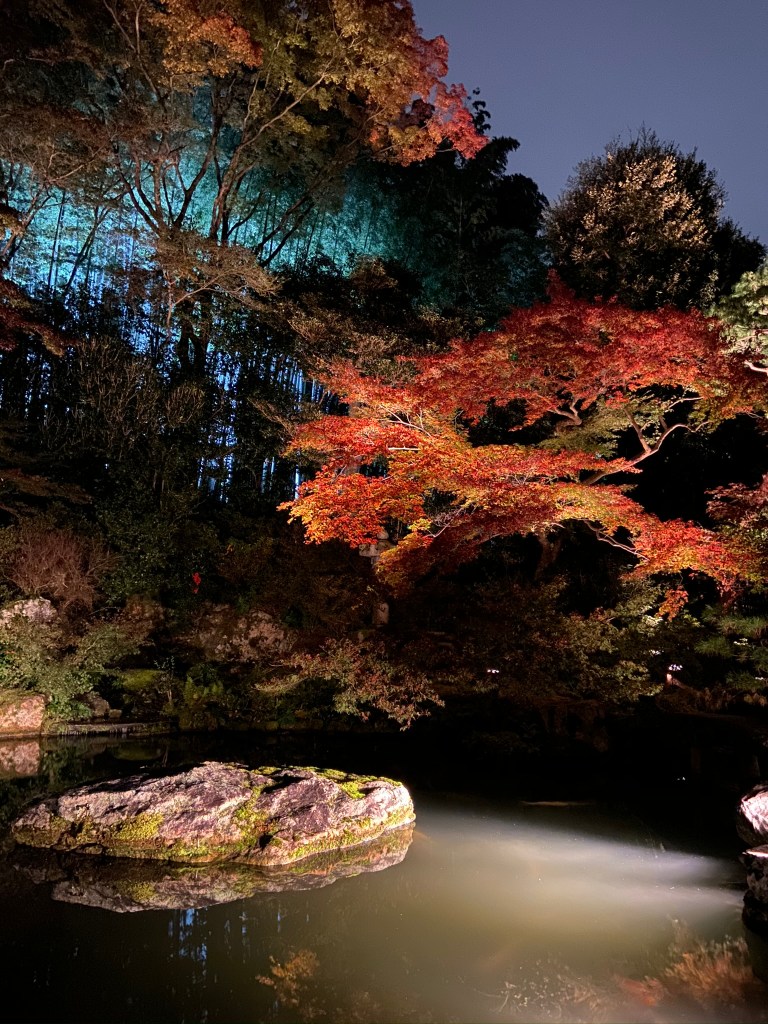
After more food, we headed over to Kiyomizu-dera Temple for their nighttime autumn illuminations. Entry was $6 and had great Japanese maples leaves in full force autumn and a nice reflecting pool (my favorite part of night illuminations!). We also stopped at the Ghibli store on the way, which is cutely decorated like a forest.
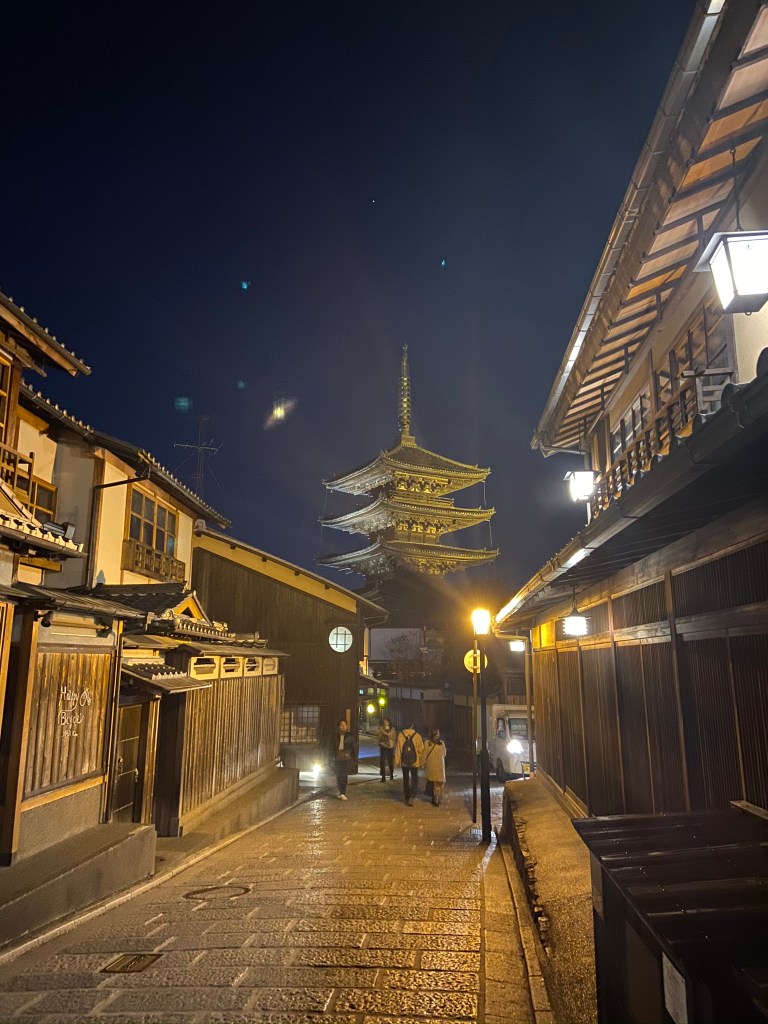
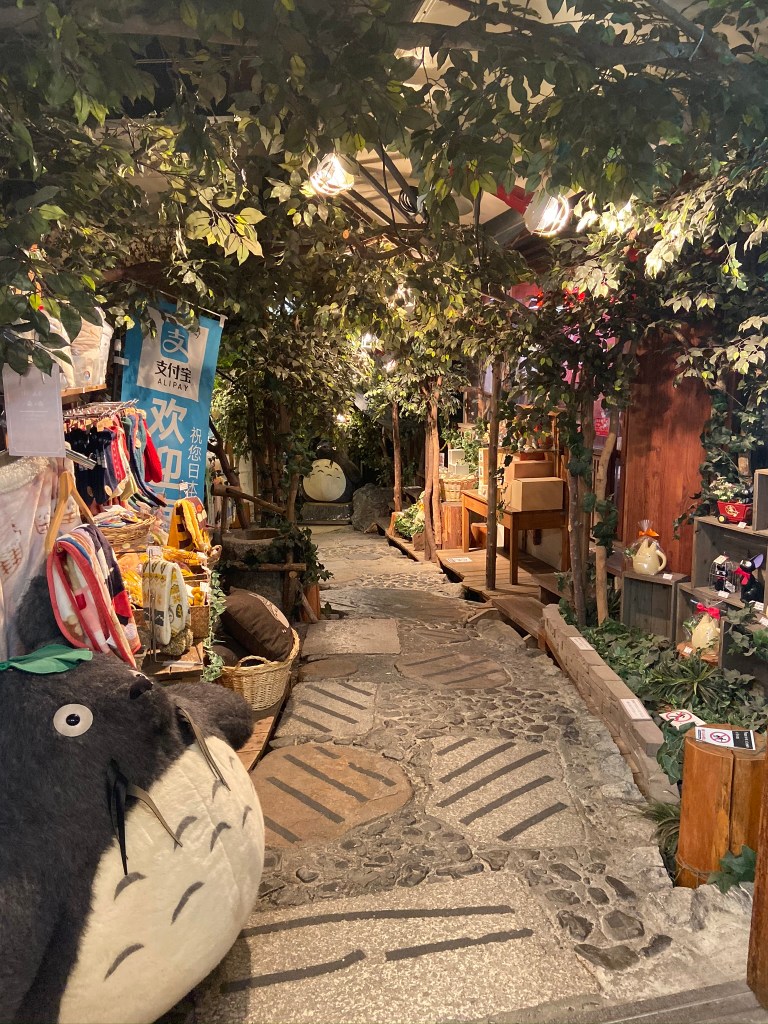
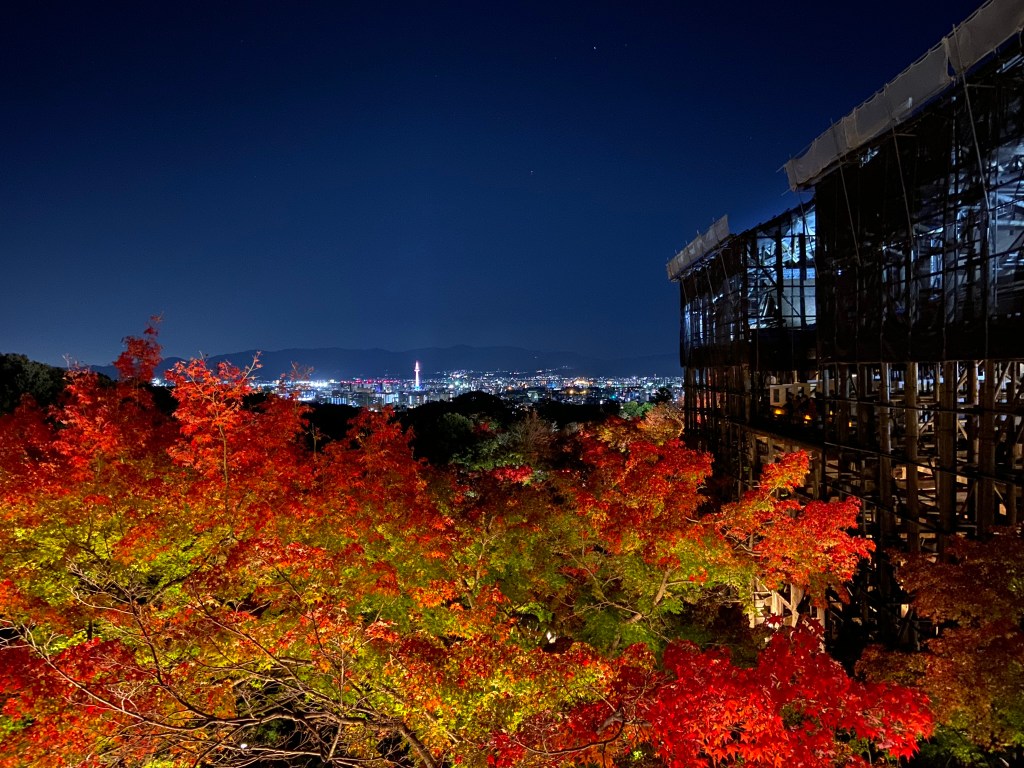
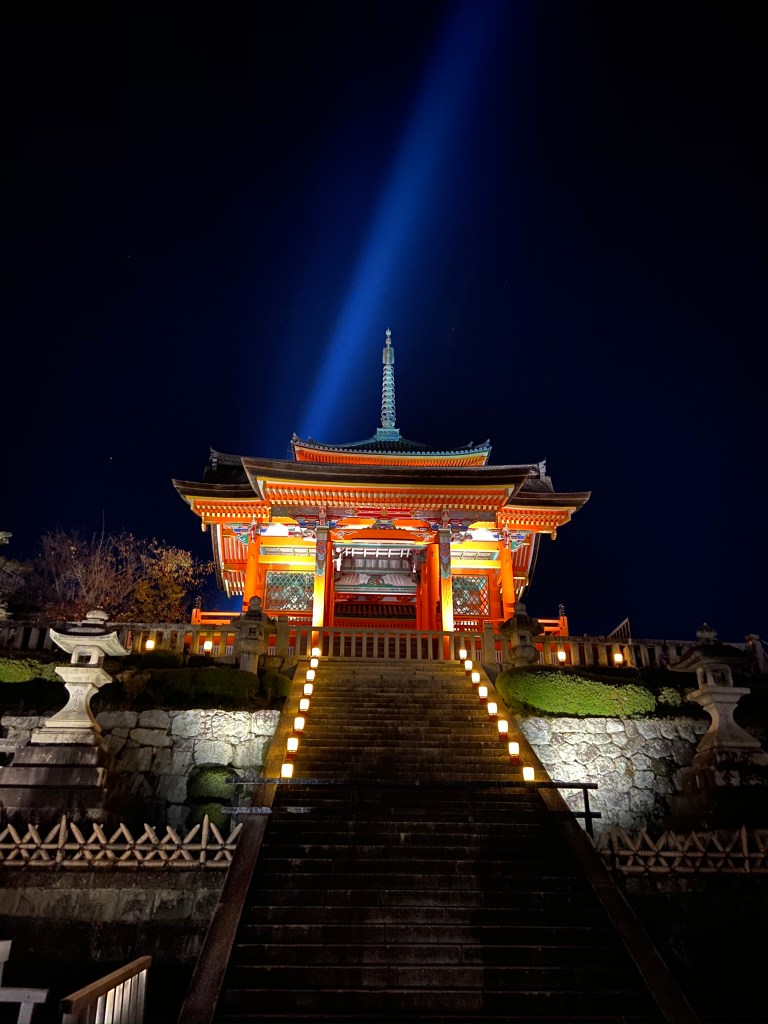
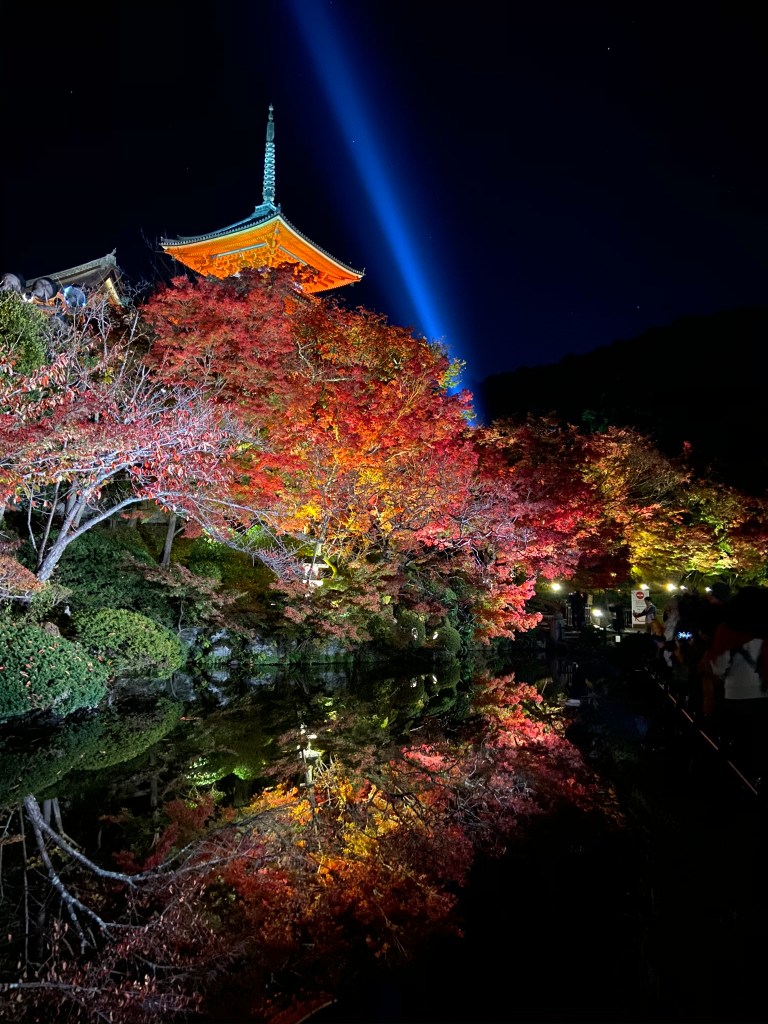
Day 8: Fushimi Inari and Kyoto Wanderings
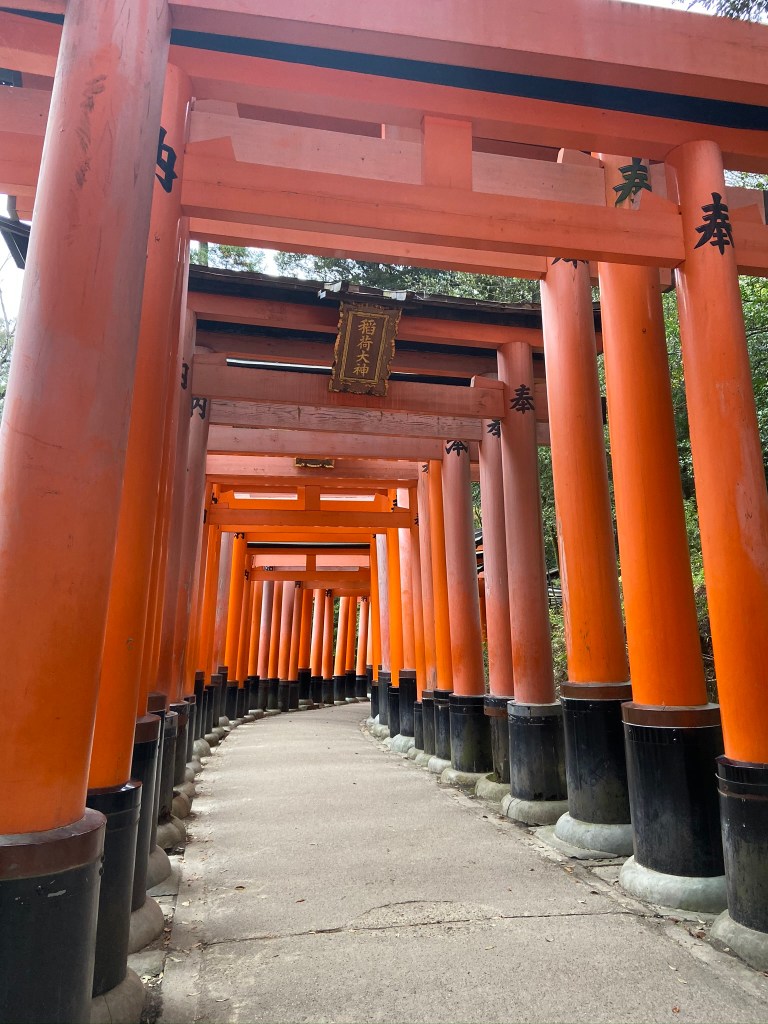
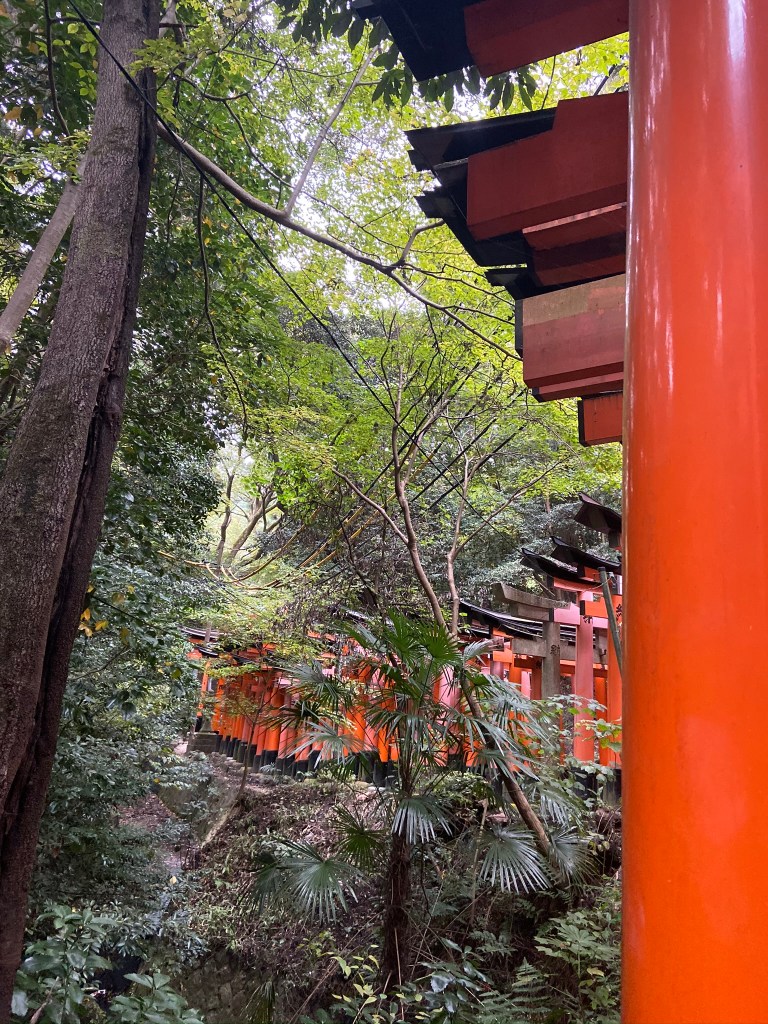
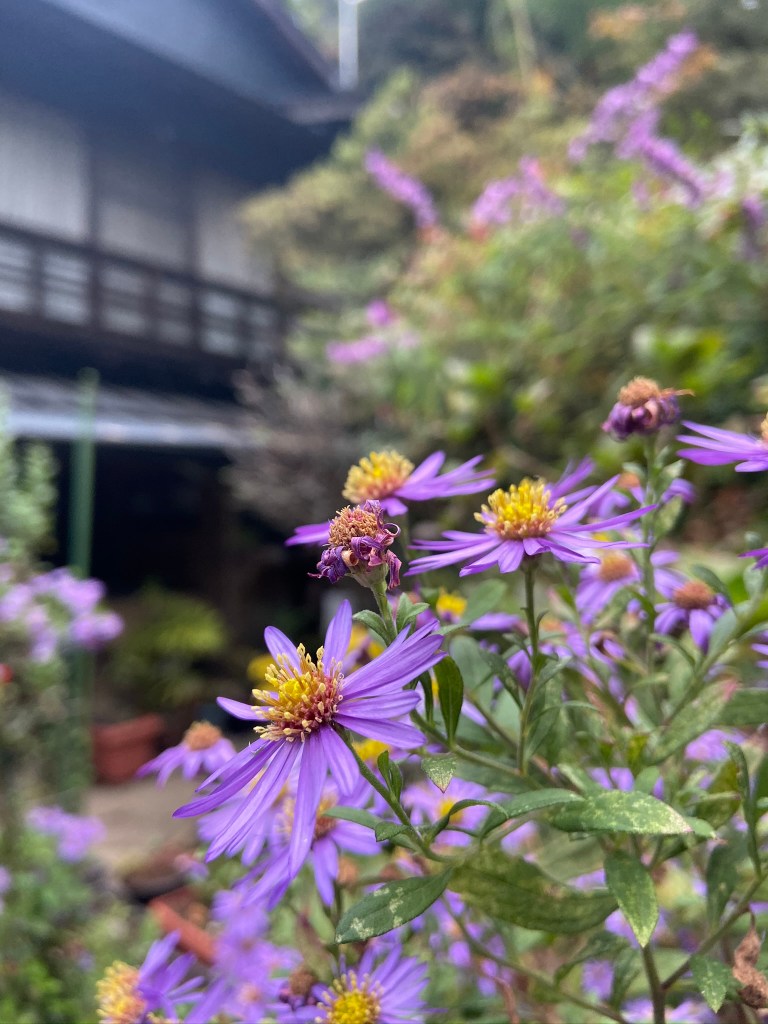
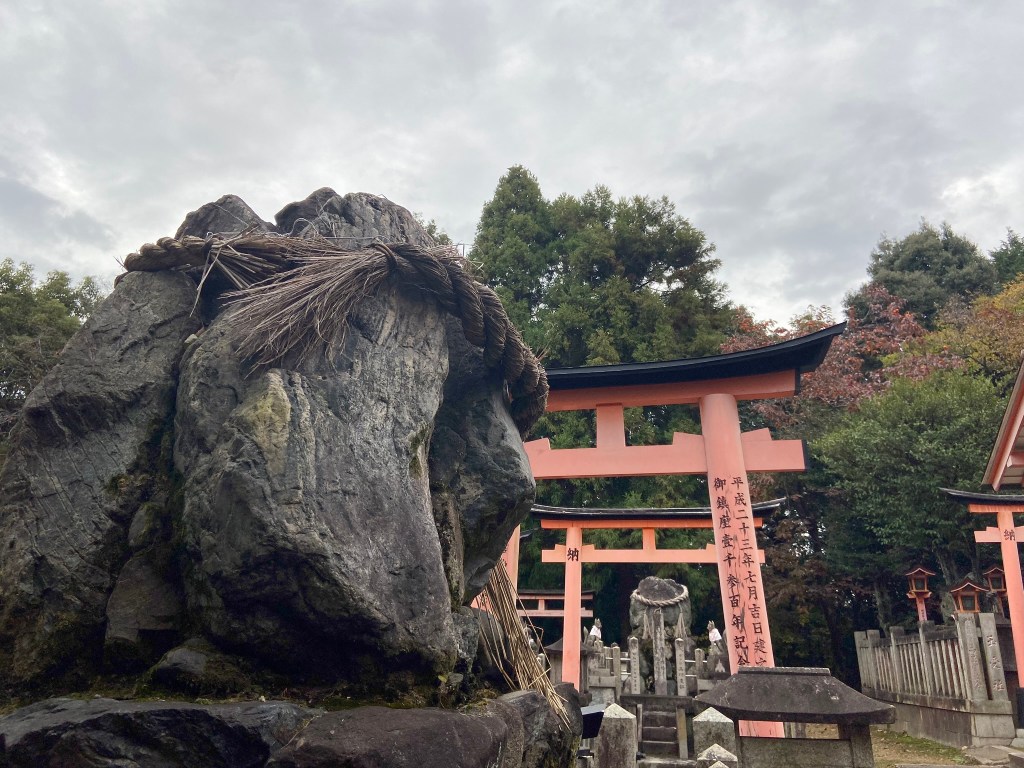
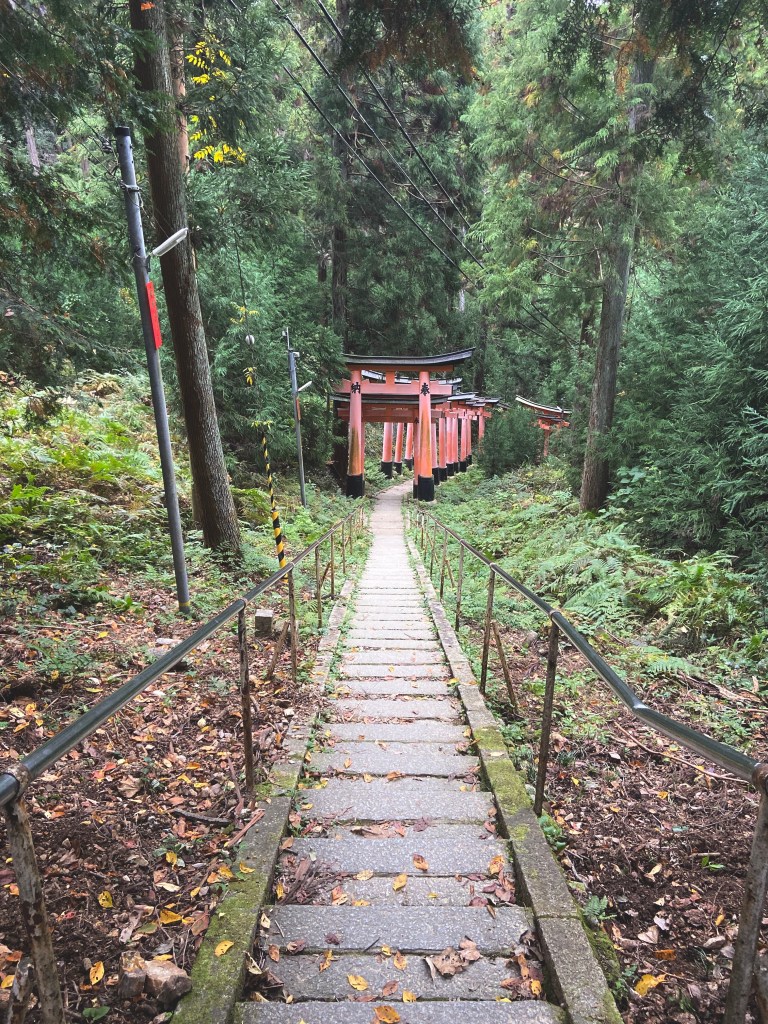
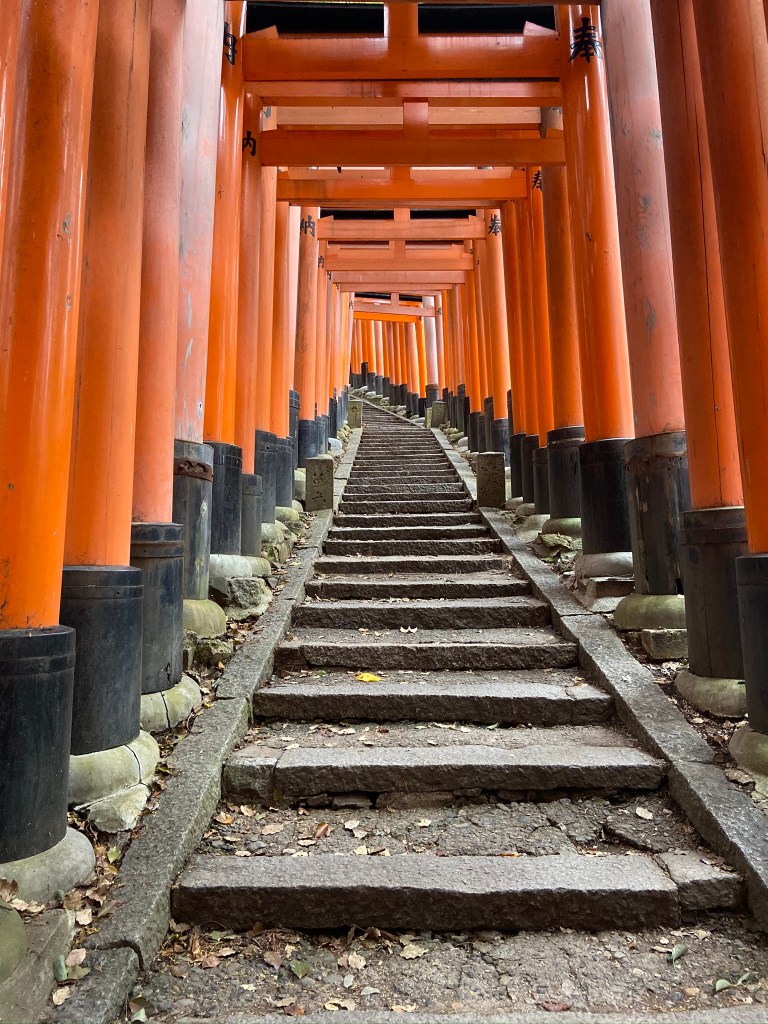
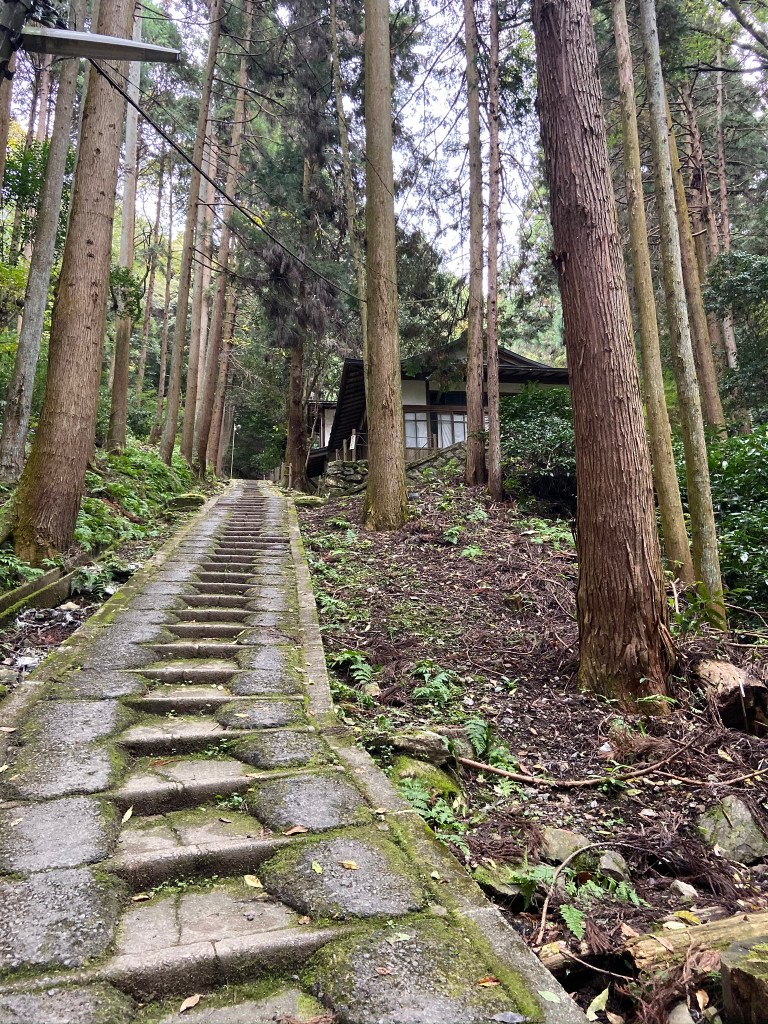
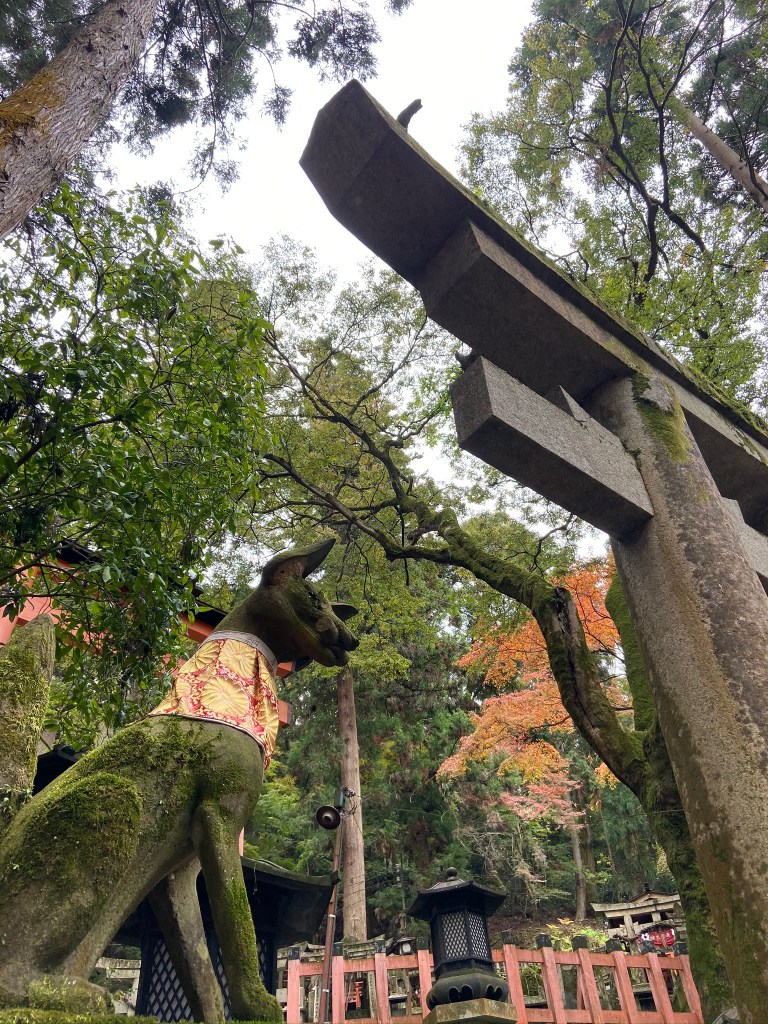
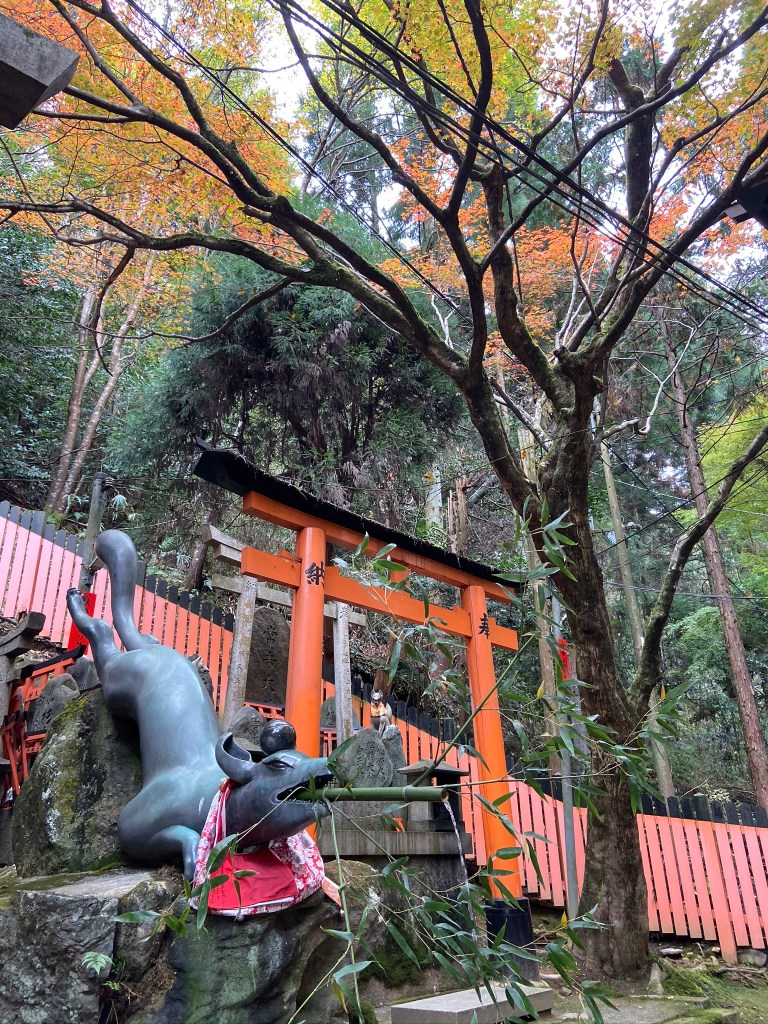
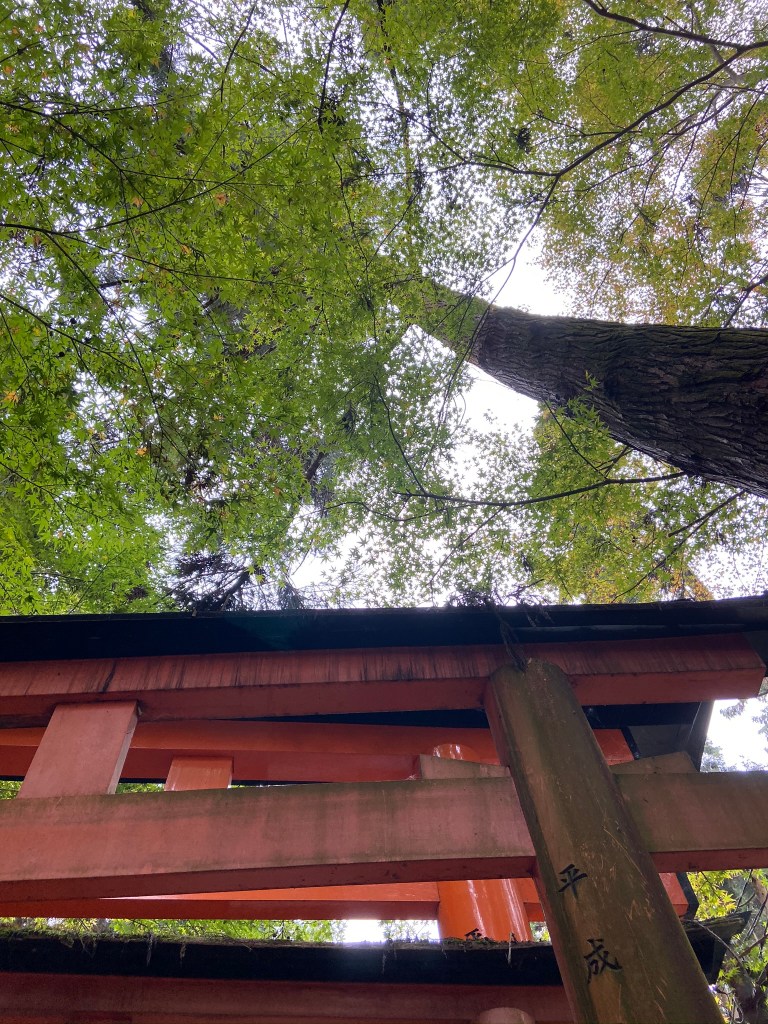
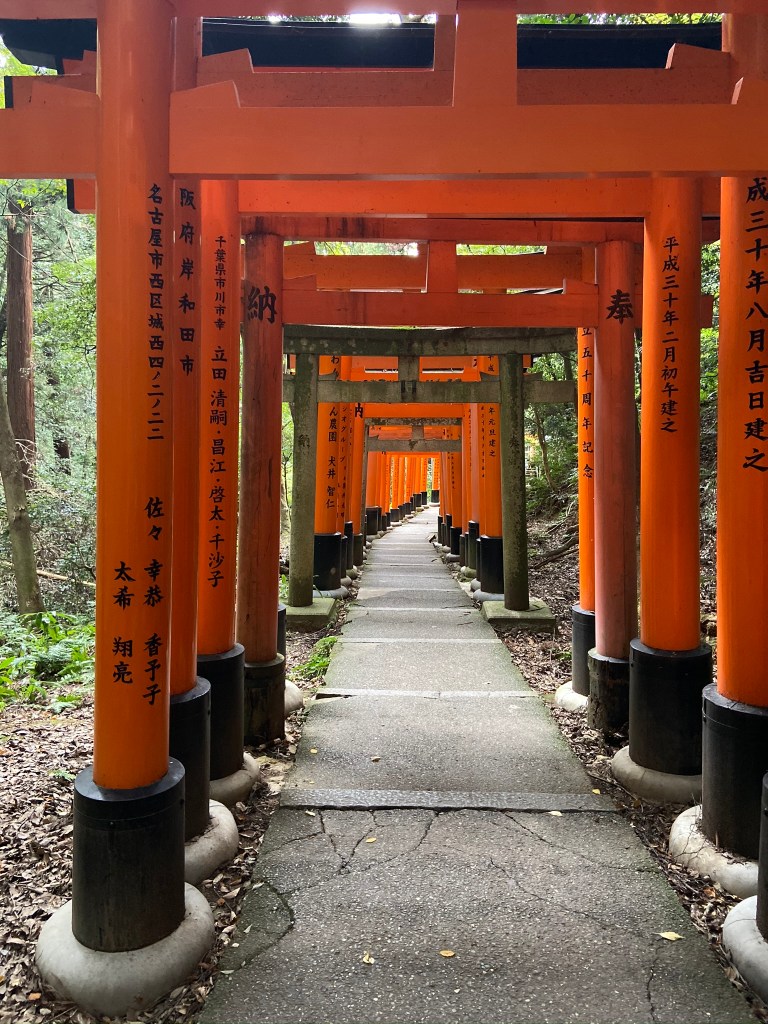
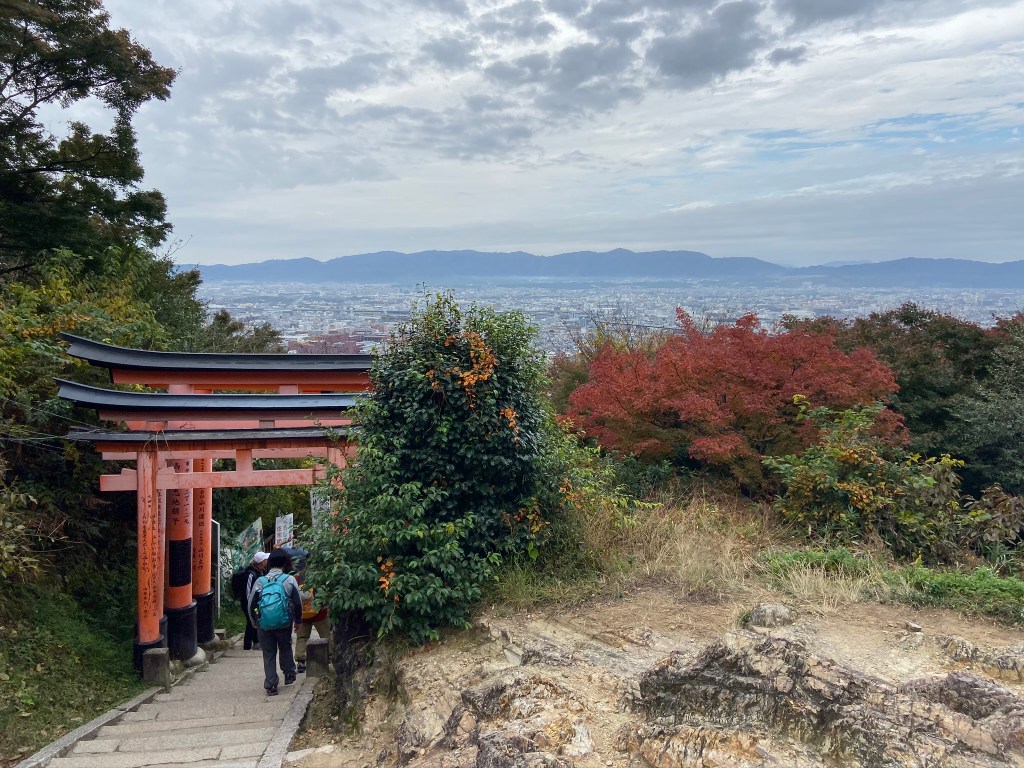
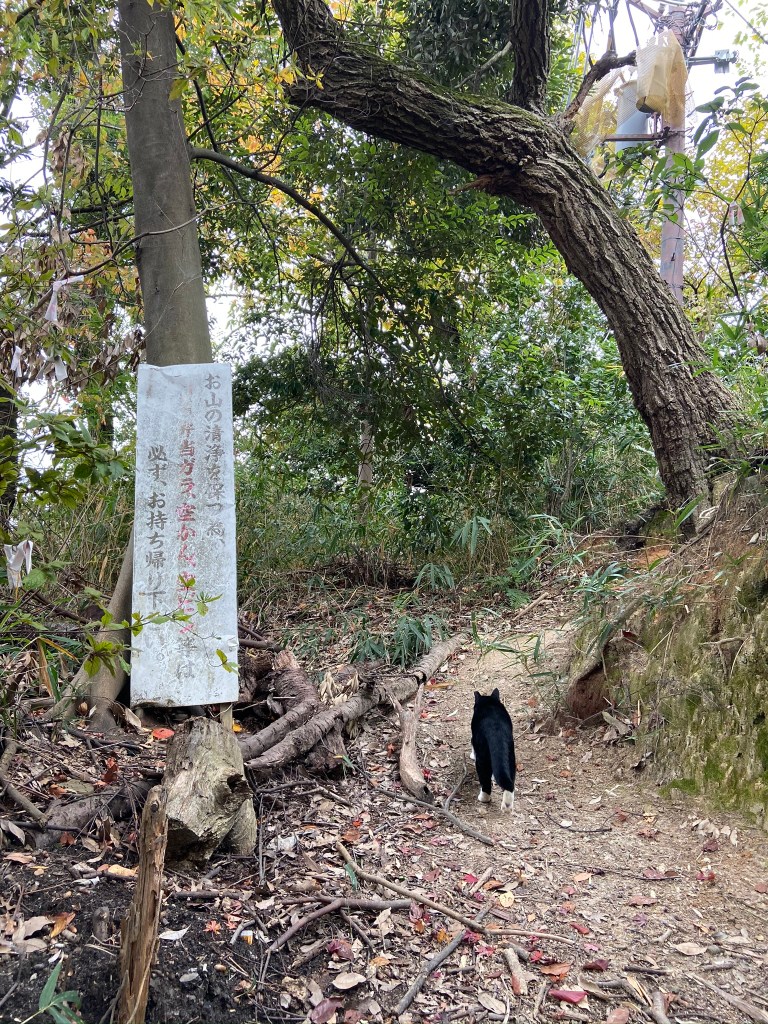
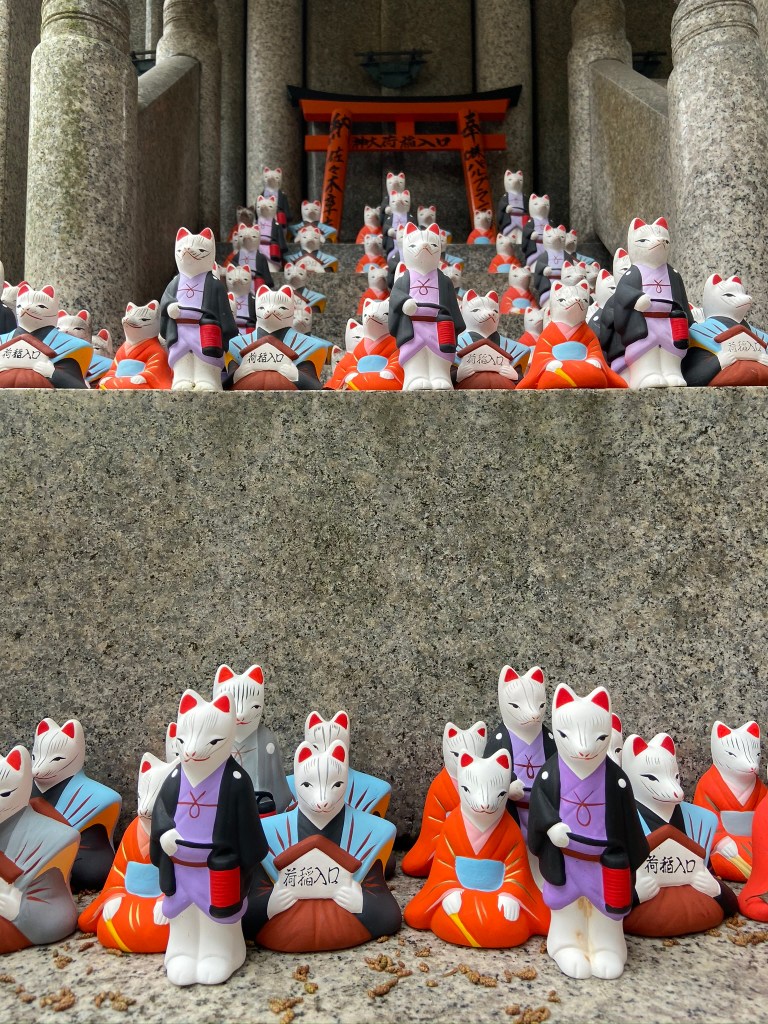
We got up early for Fushimi Inari shrine because it gets crazy busy. Fushimi Inari shrine is the inari (fox) shrine with thousands of torii (red gates / arches). It’s a prime photo destination in Kyoto so the area near the bottom of the mountain is very crowded, though you can usually easily get some open spots as you get further up. I think it look me about 2 hours to get to the top (with a few detours to side shrines) and less than 1 hour to get down, but I hike quickly and jogged down. It’s a beautiful area and I would say well worth the time to climb to the top (though the prime lookout is about 20 minutes from the top). It’s a loop, so you don’t go up and down the same way and there are many shrines to see along the way!
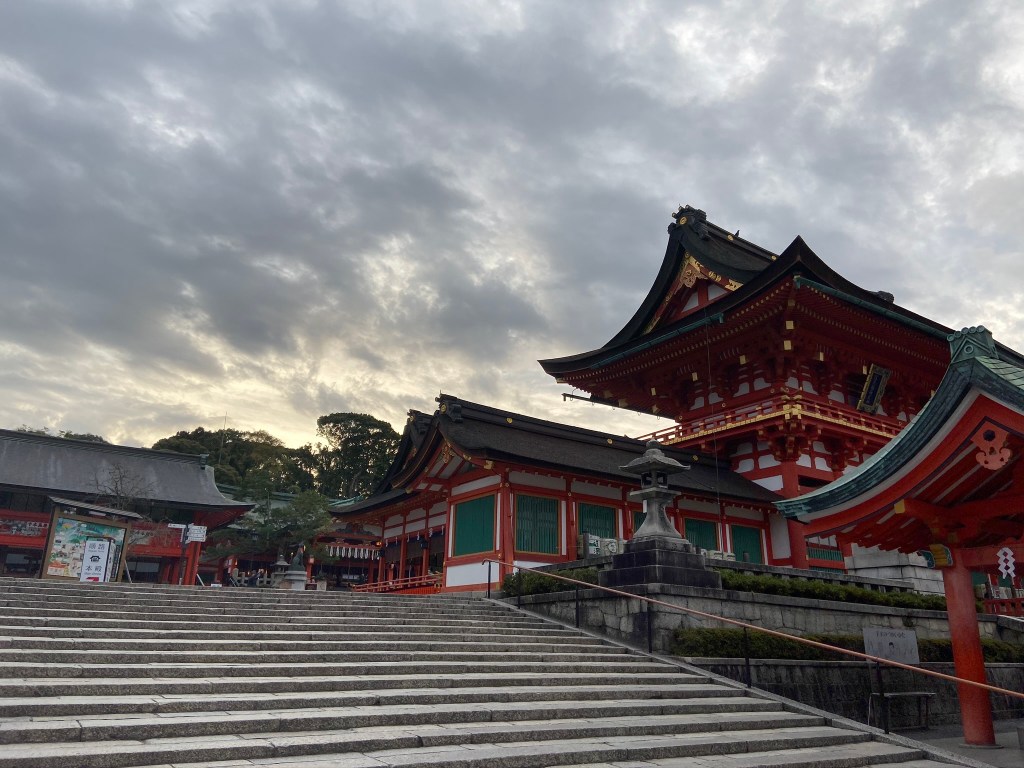
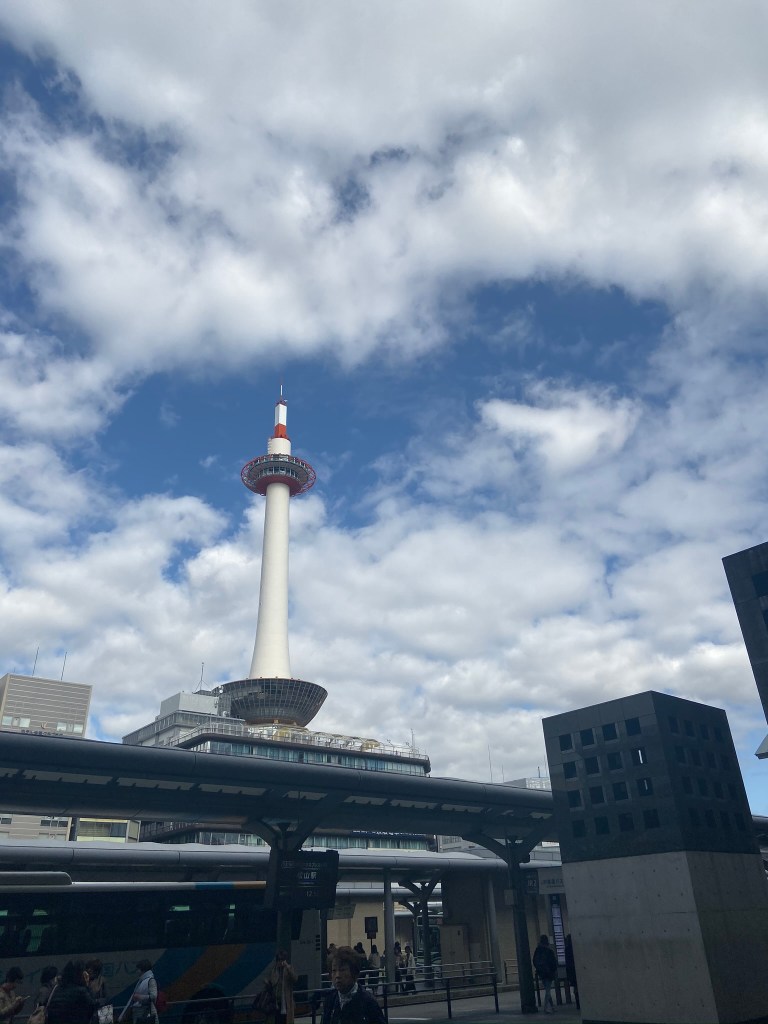
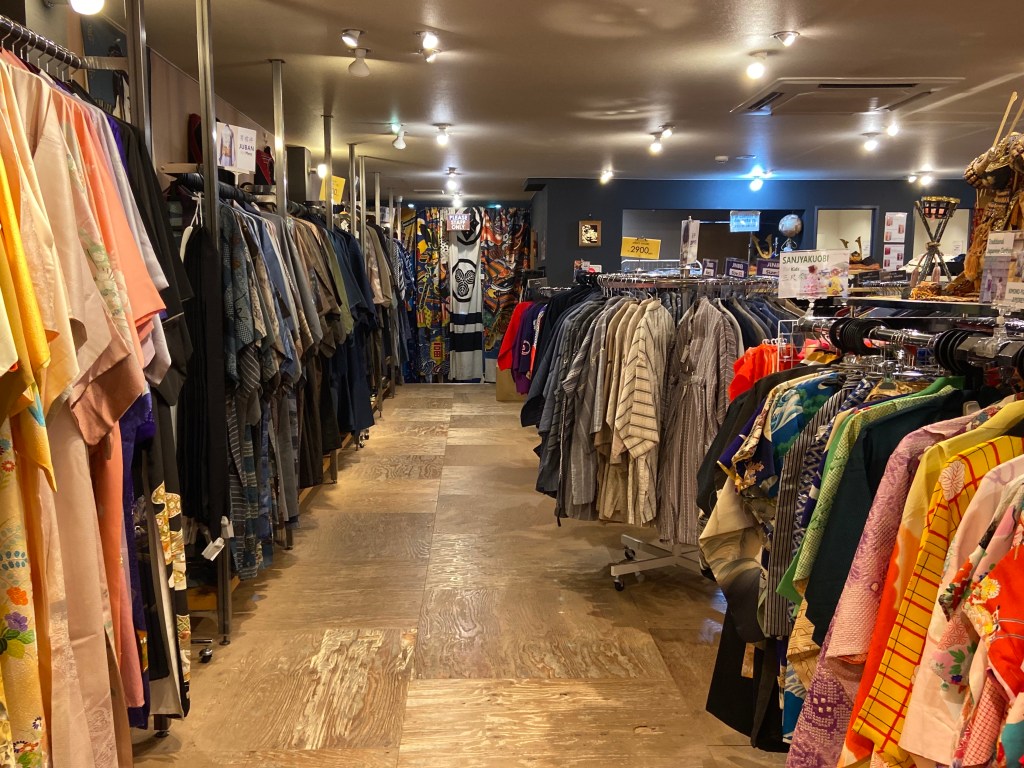
While I was waiting for my friend to finish the hike, I walked down Yokai Street near Kitano Tenmagu Shrine. Yokai are Japanese spirits, often from discarded or broken household items, like broken umbrellas or a lost slipper. The street had shops with yokai of each appropriate type in front of them (like a doughy lady in front of a bakery). I also stopped at the Marry France bakery, where I snagged a truly sick matcha anpan with a 10:1 filling to bun ratio (ideal), before meeting up with my friend at the Imperial Palace. We wandered around shopping for a bit and both accidentally bought kimono while debating whether I was “Japanese” enough to get away with wearing it in the US.
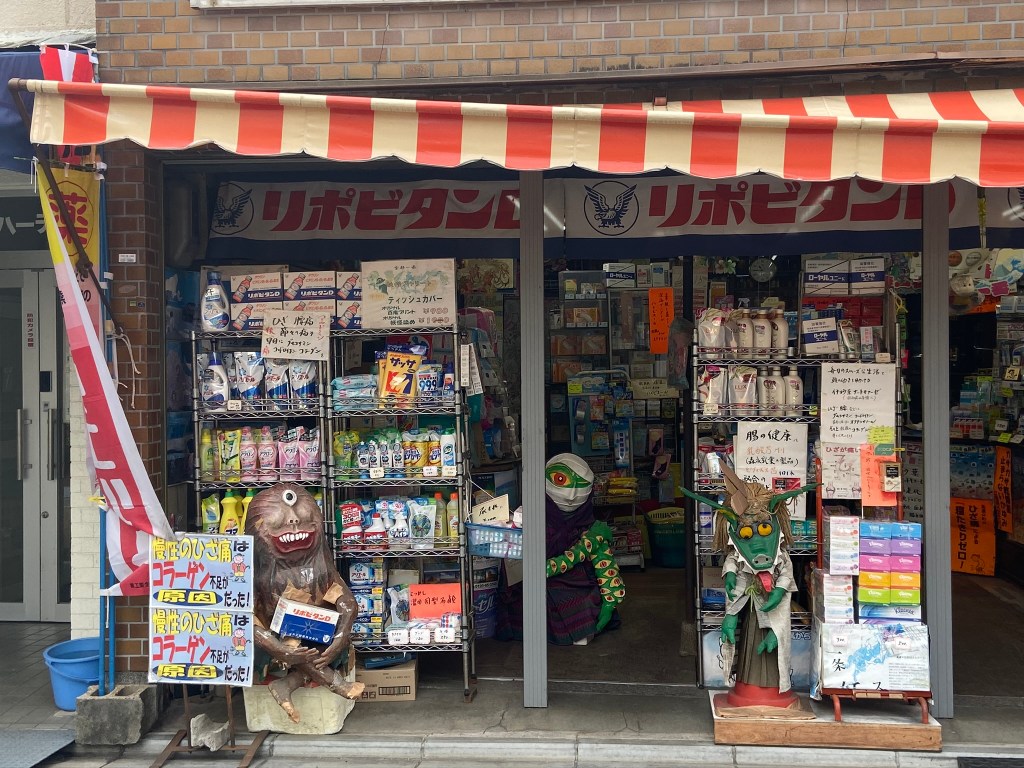
Yokai Street 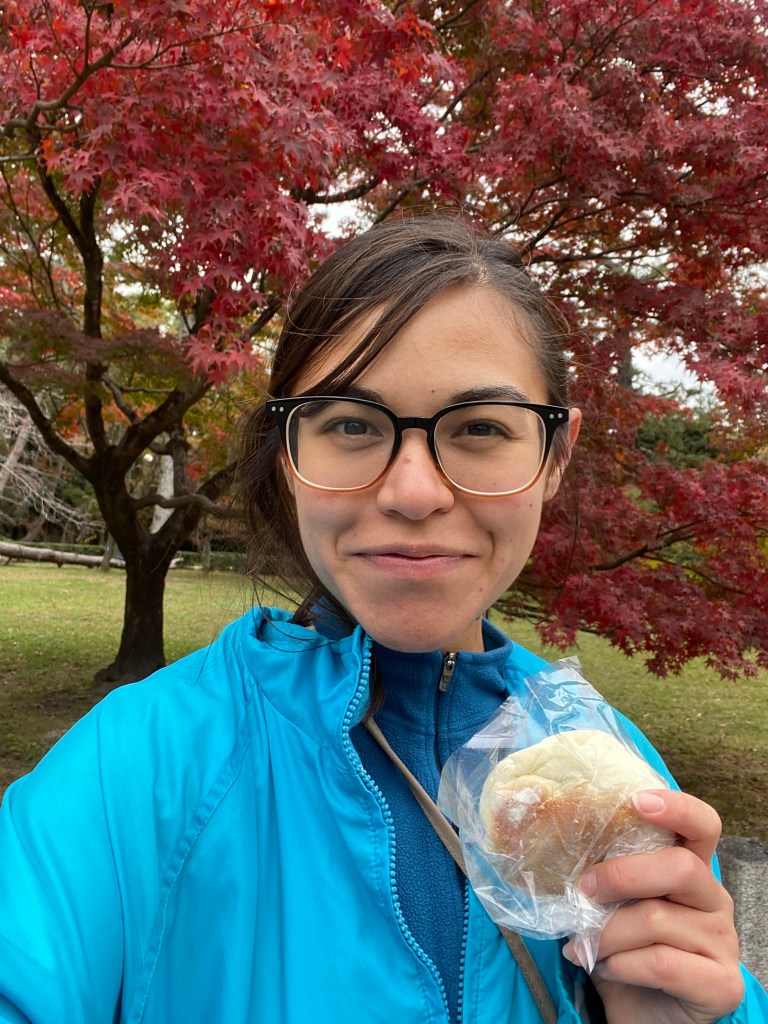
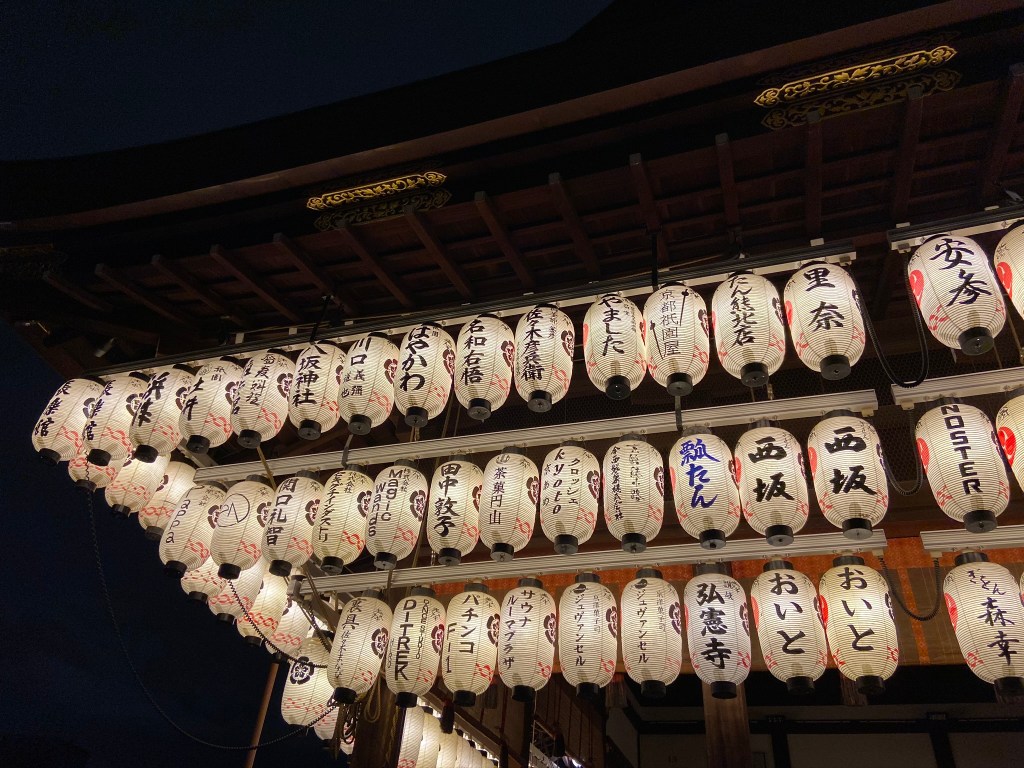
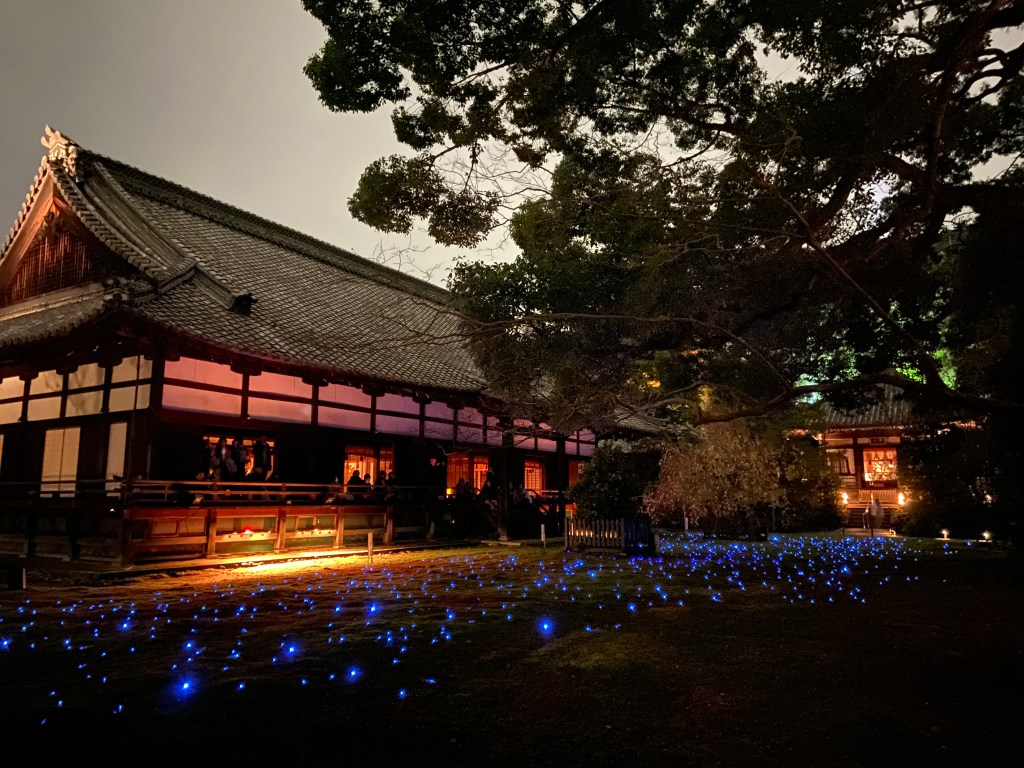
I wandered around a bit more that night and passed by Yasaka Shrine, the Gora Shirakawa area (quaint willow tree lined waterway on a restaurant street), and Shoren-in Monzeki Shrine, where they were also doing autumn illuminations. Their attraction were blue LEDs on the lawn that looked like a starfield. That was pretty cool but then I saw a tanuki in the parking lot. I was insanely stoked but my camera kept jamming as it was drinking from a bucket and I only took some cryptid level pics as it was scurrying away. Tanuki are Japanese “raccoon-dogs” and I always thought they looked cute in pictures but this bugger was scruffy and very weirdly proportioned.
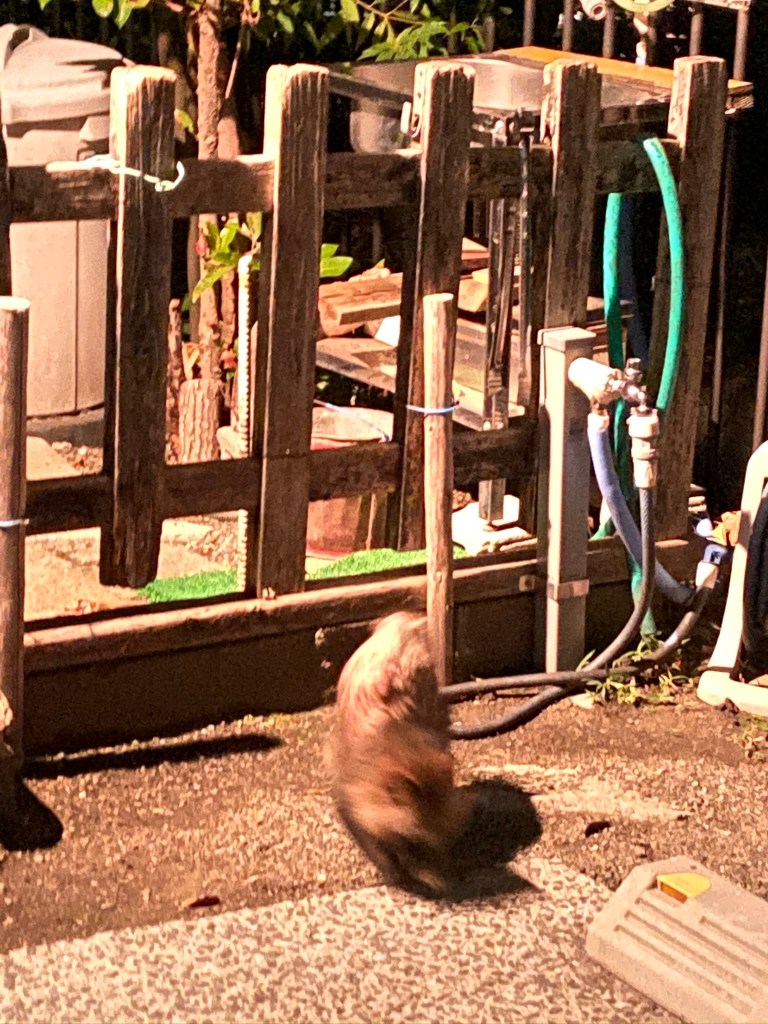
TANUKI! 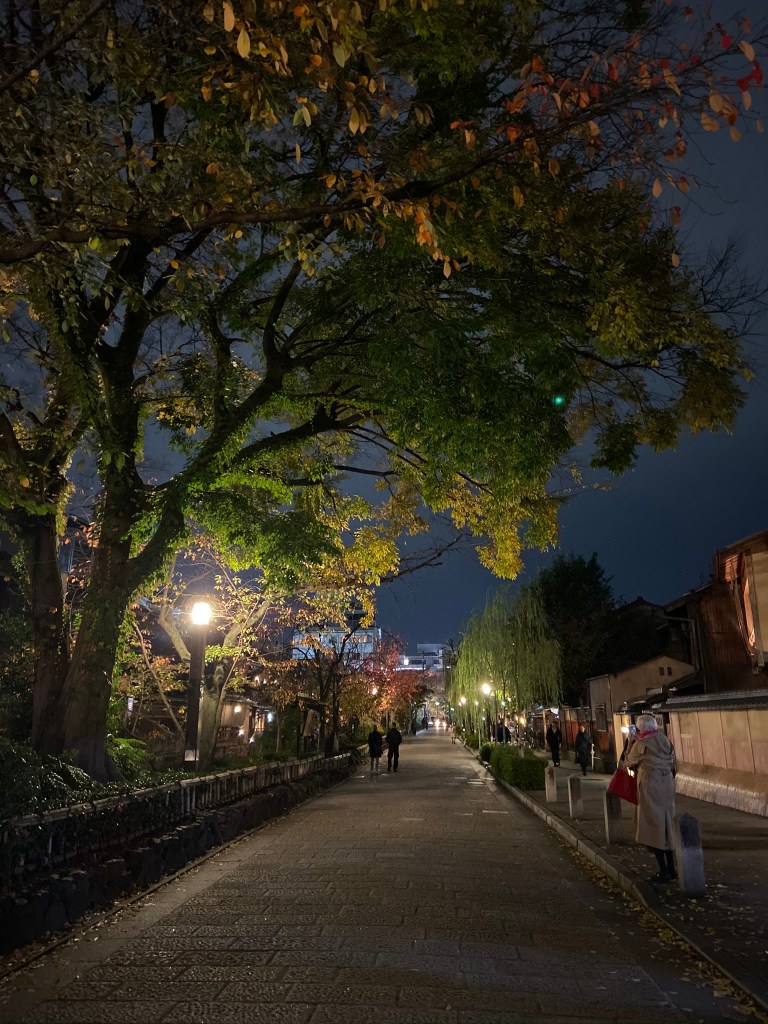
Gora Shirakawa 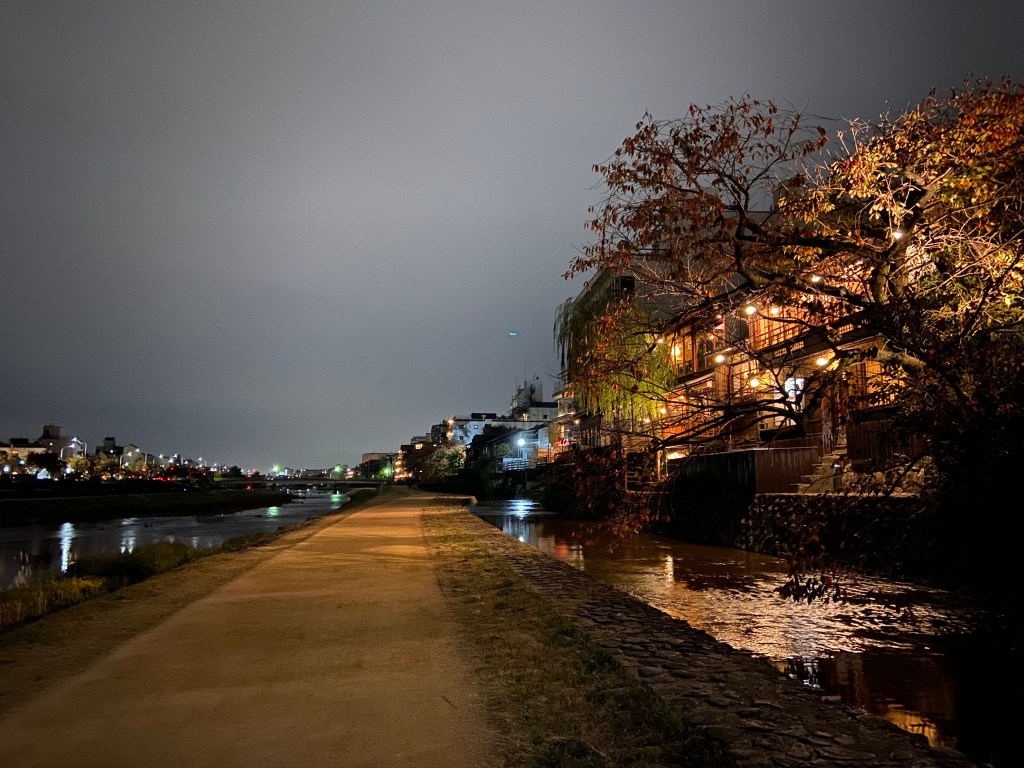
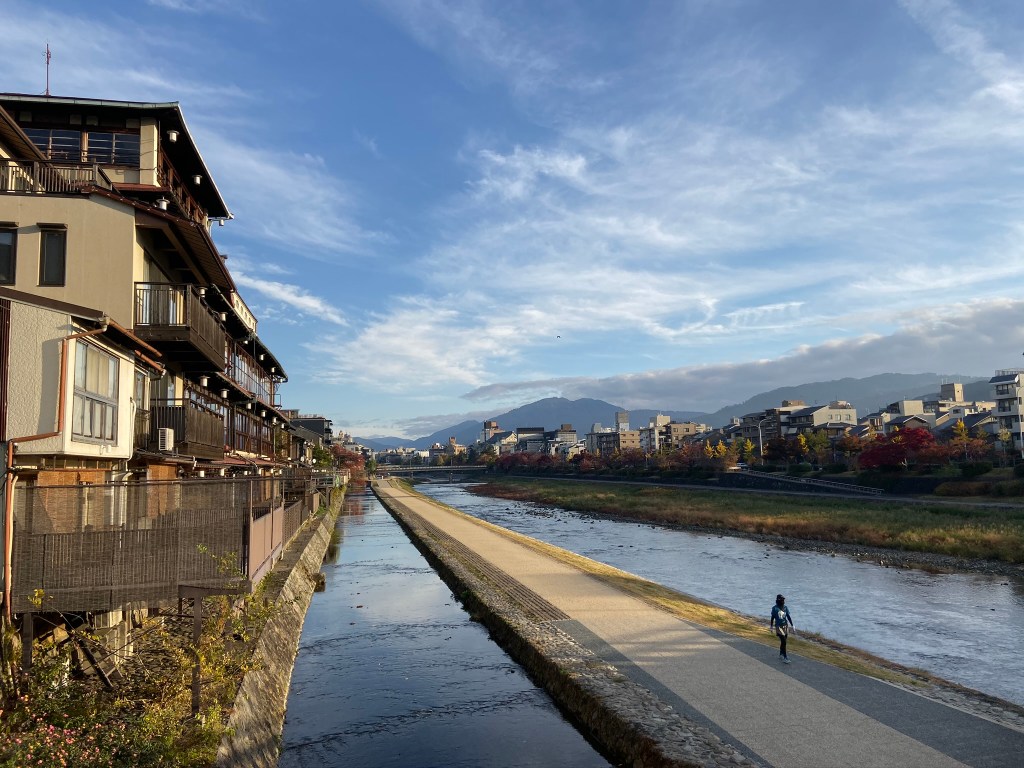
I ended my evening on a pedestrian path in the middle of the river and sat listening to the guitar music from the bridge. It was a lovely evening and I stayed until I got too cold, just looking into the restaurants along the water.
Day 9: Nara & Arashiyama
Nara and Aarashiyama are both easy day trips from Kyoto (about an hour for each, or less) and ambitiously we squeezed both in to the same day.
Nara is known for its bowing deer and big Buddha statue and Arashiyama has an excellent bamboo forest and monkey mountain. We managed to fit in all of that except the monkeys, which I saw last time (definitely worth it – you can feed them!).
We started the day in Nara, where I scored two kinds of mochi before we even reached the deer park. The deer in Nara are a lot – both in terms of sheer numbers and also persistence in being fed. You’re allowed to feed the deer special crackers ($2/stack) and pet them but the real attraction is that the deer will bow for crackers. They’re very cute, usually pretty tolerant of being pet, and will try to eat your clothes if you’re not feeding them quickly enough. My top tip is to buy some crackers, hide them, go to an area with only one deer, and then just feed that one. If you have multiple deer in the area, you will inevitably not feed them quickly enough and they will start munching on you.
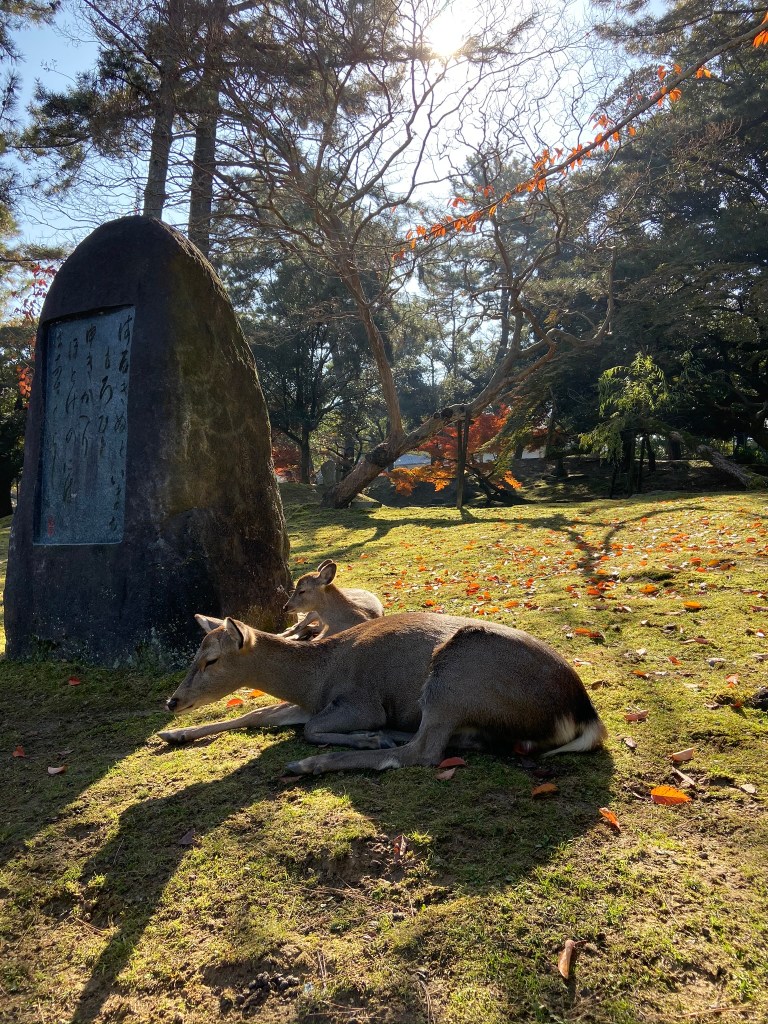
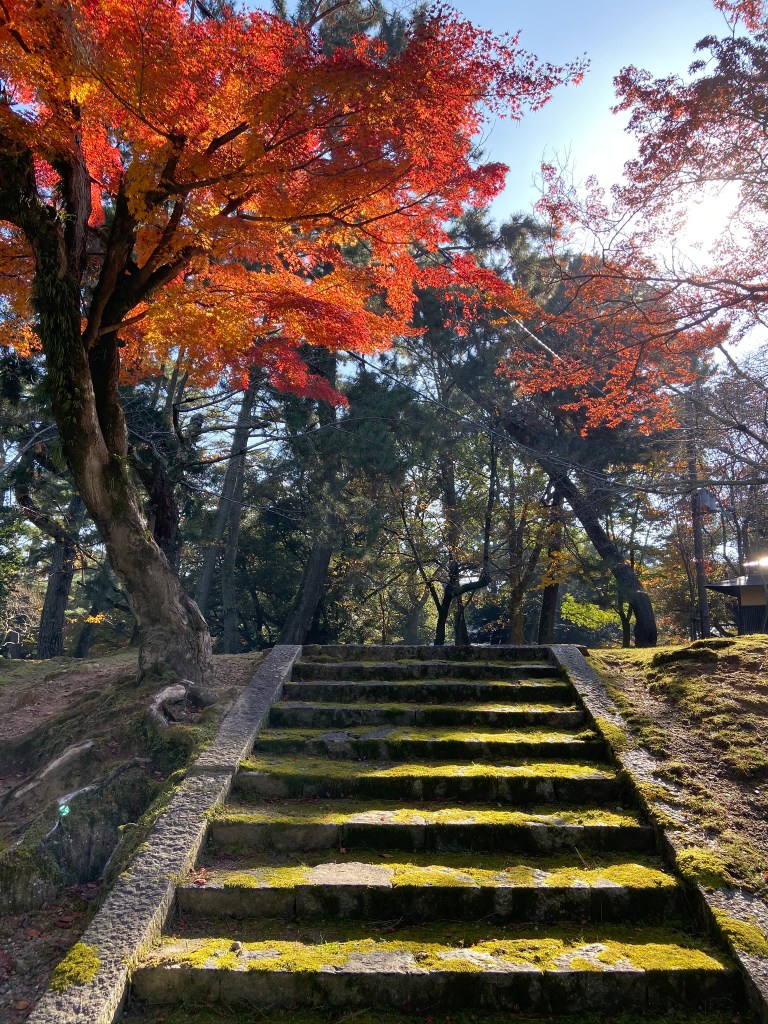
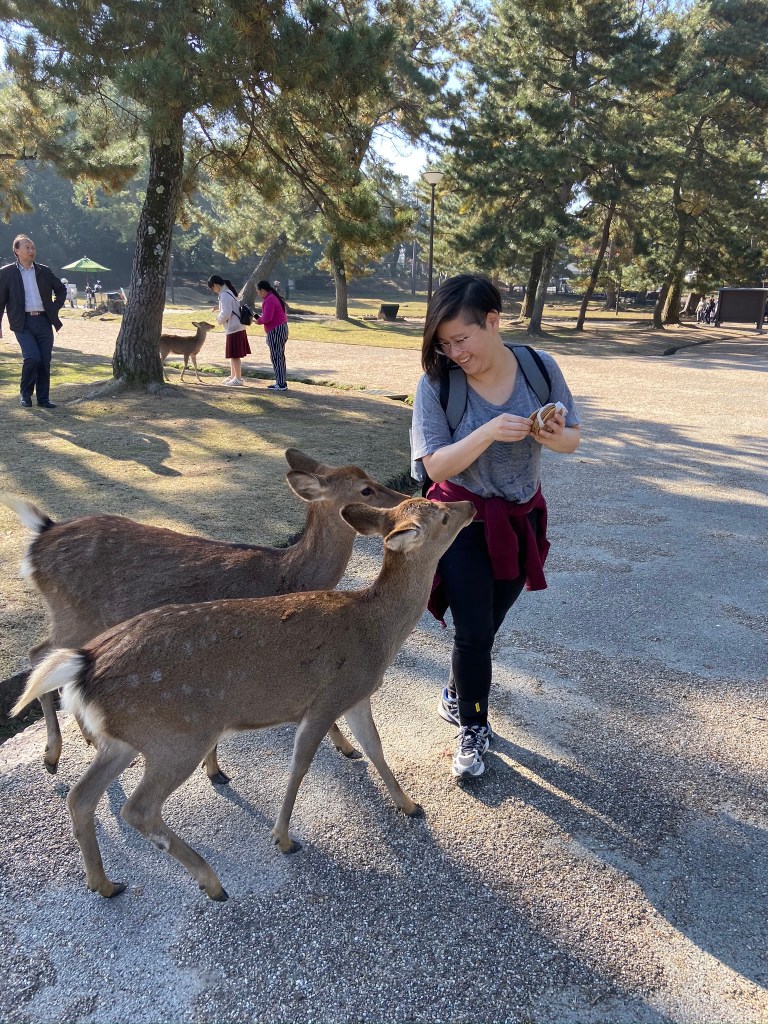
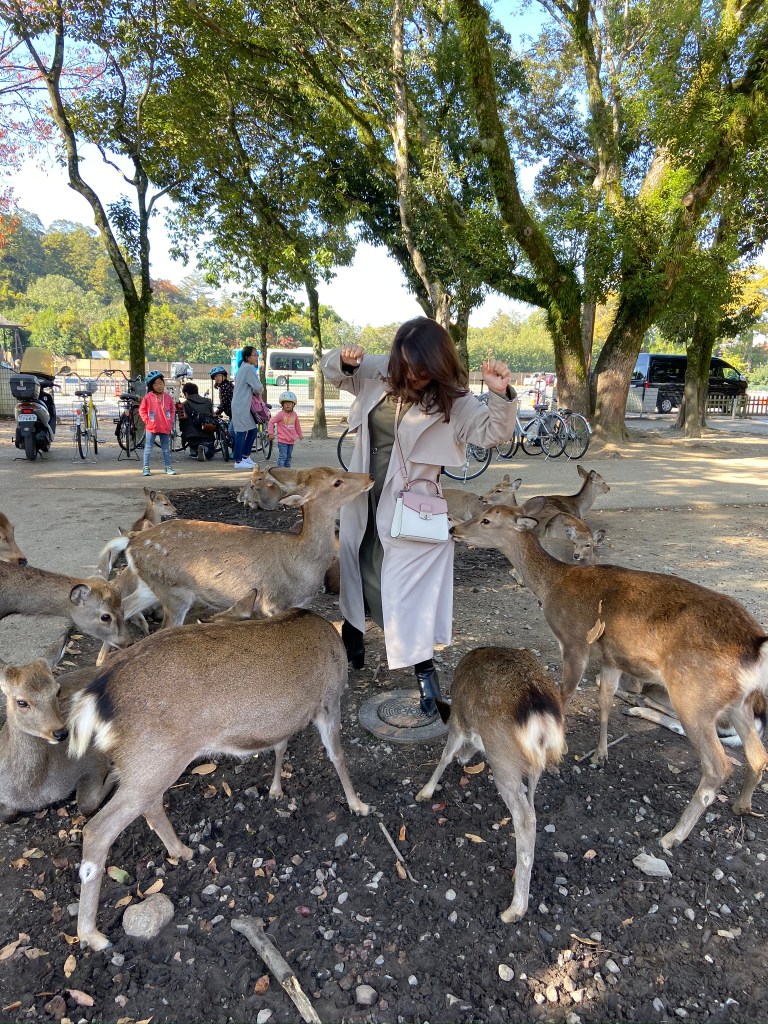
Literally just dropped all her crackers 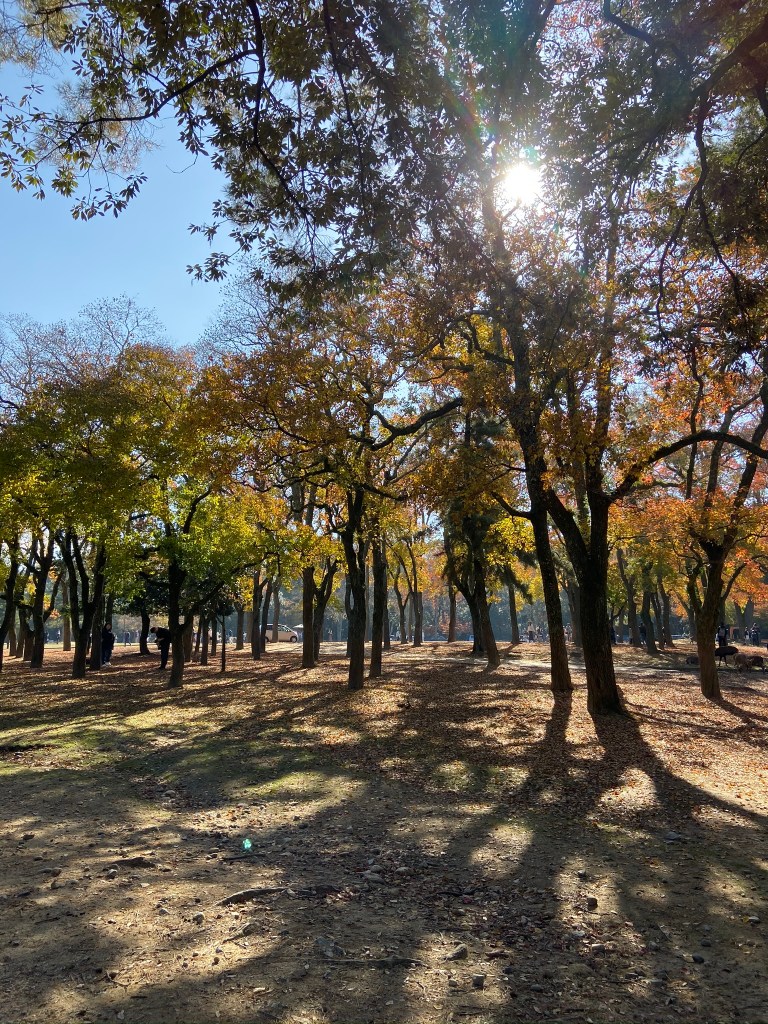
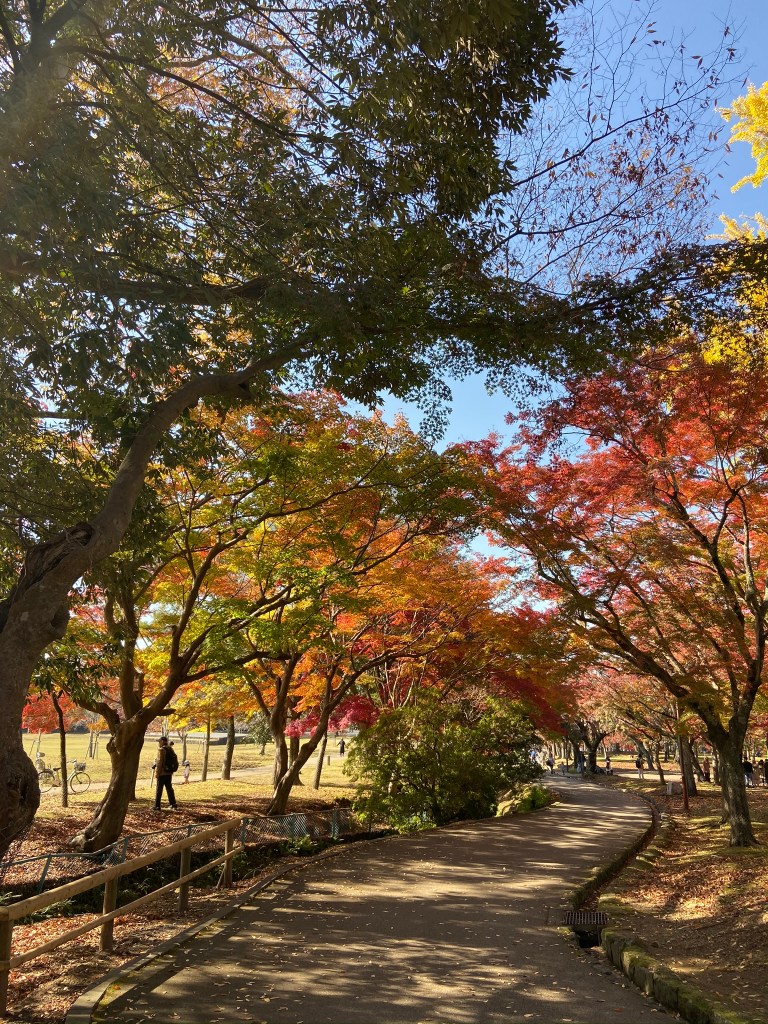
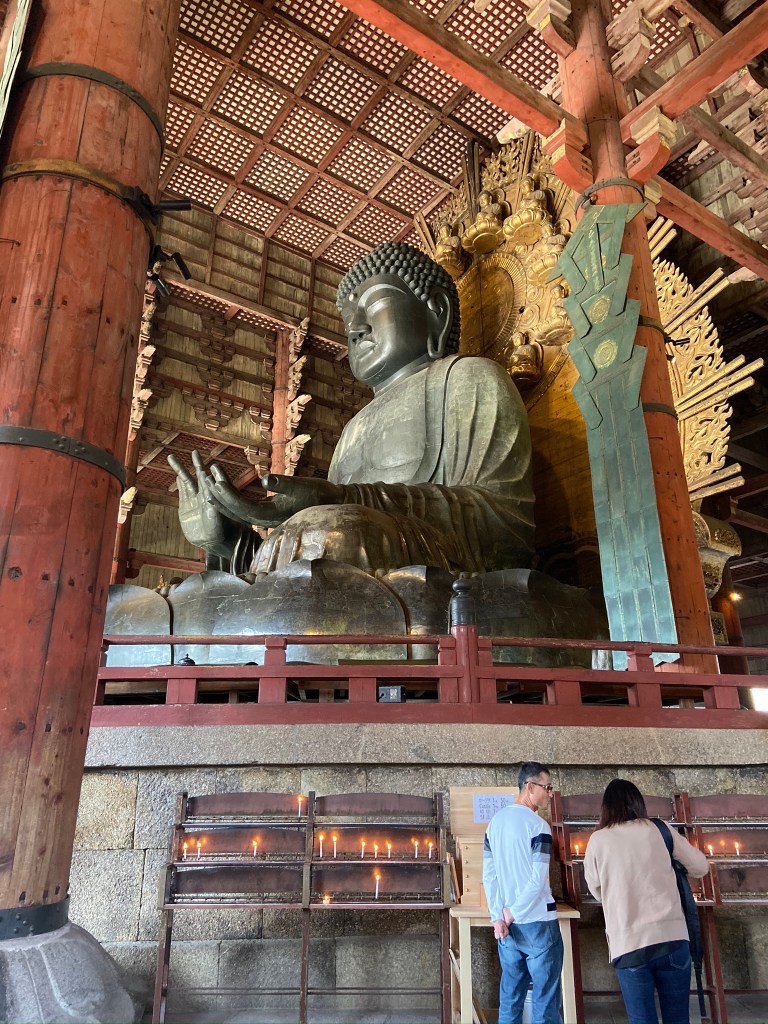
Seriously MASSIVE 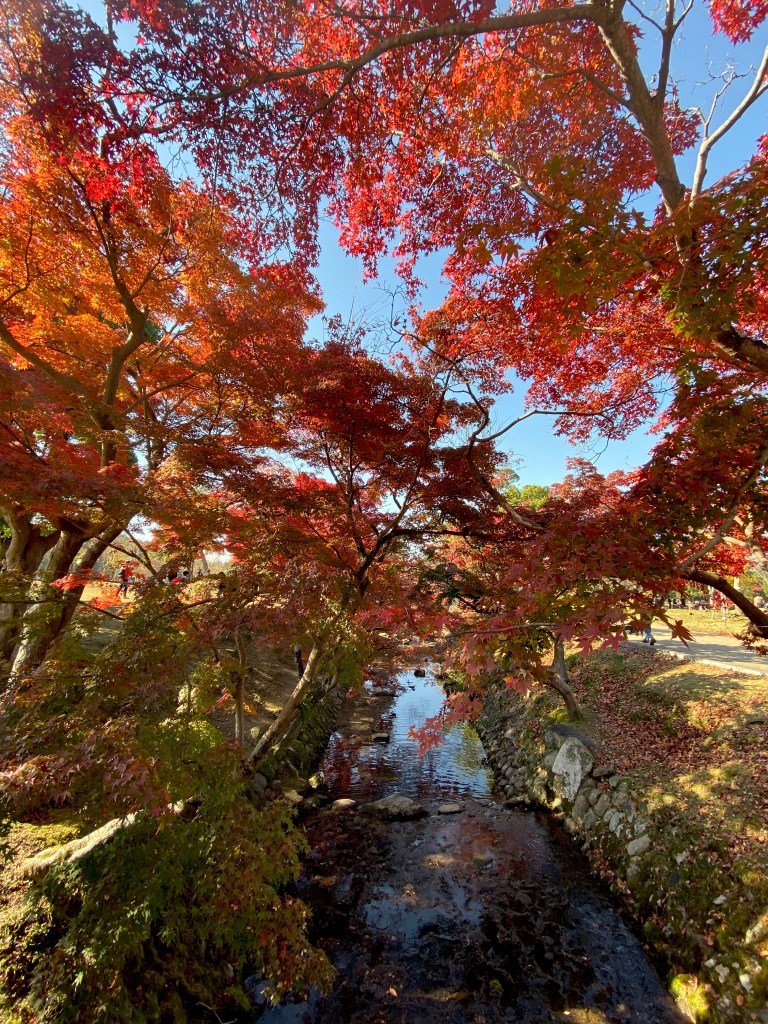
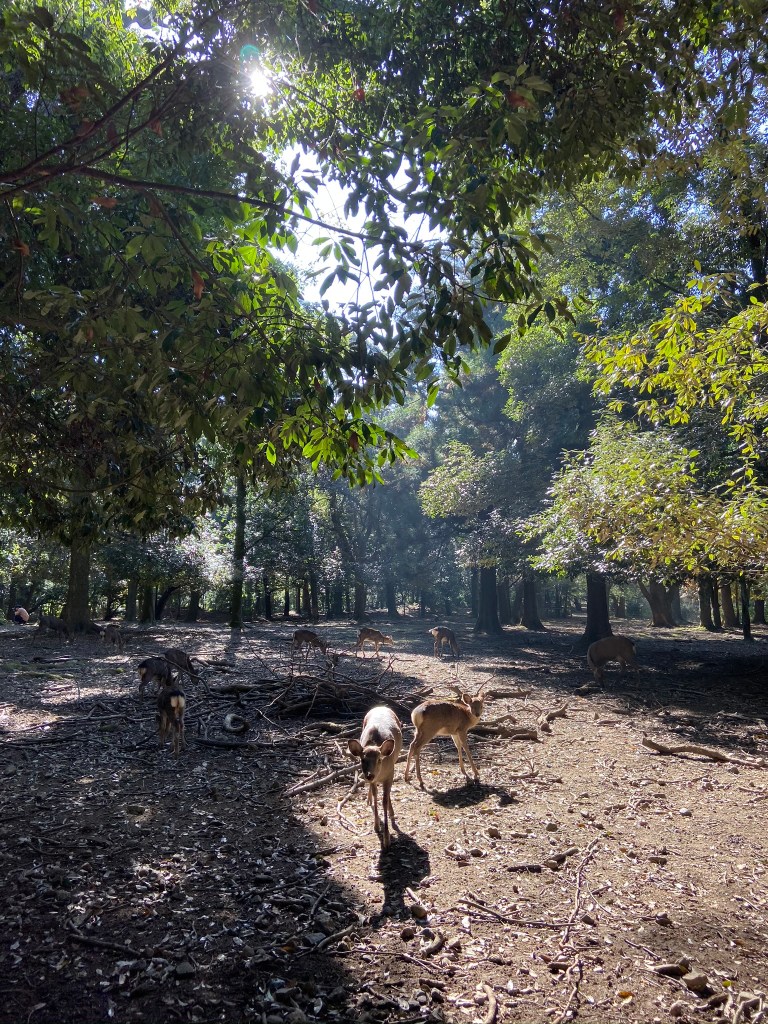
After taking a gratuitous number of deer pictures and videos, I headed over to the Buddha statue at the Todai-ji Temple. I’d been too cheap to see it last time and it is big. Pictures honestly do not adequately convey how large this Buddha is but it is a whopping 49 feet in height. Y’all gotta see this Buddha.
I wandered around the park a bit and grabbed some ume (plum) favored soft serve before heading to the station to wait for my friend.
We hit up Arashiyama later than planned, so we had to cut the monkey park, but still got to the bamboo forest. It was really crowded because we’d forgotten it was the weekend, so I’d recommend coming on a weekday instead. I found a path up the mountain by the pond and following it up a short but steep path to several lookout points. It was a lovely little hike and took me about 20 minutes up and 10 minutes down (sprinting). We stopped at a cafe on the way back to the station to grab a hot honey yuzu drink and headed back to the hostel to prep for our last leg to Osaka in the morning.
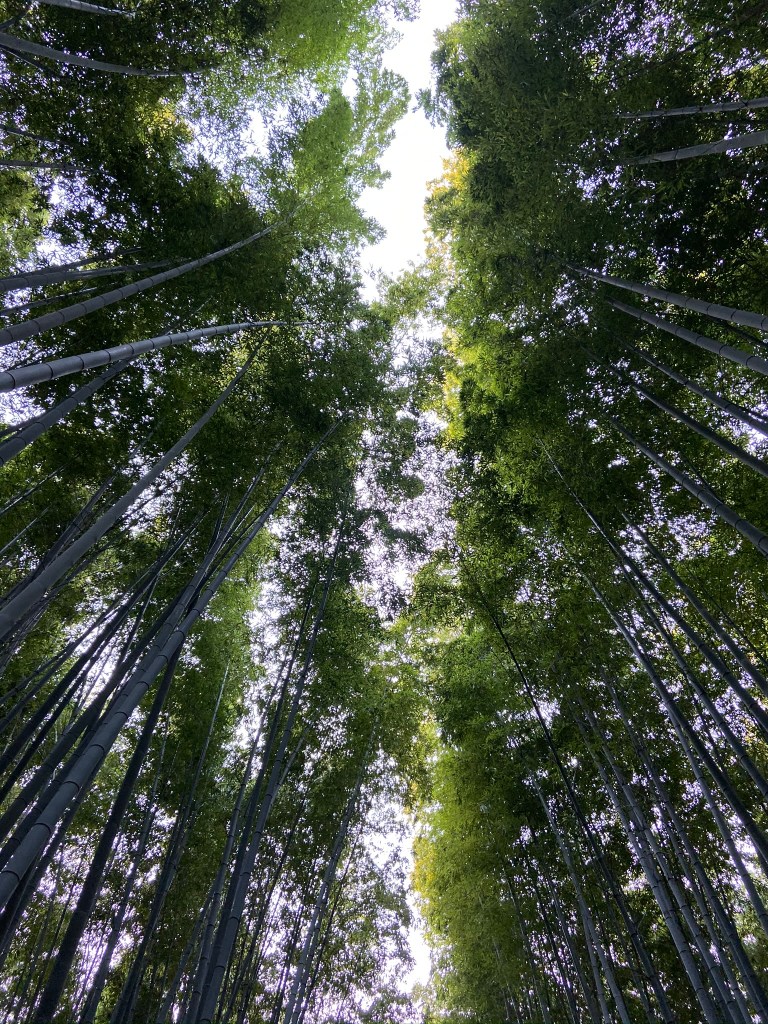
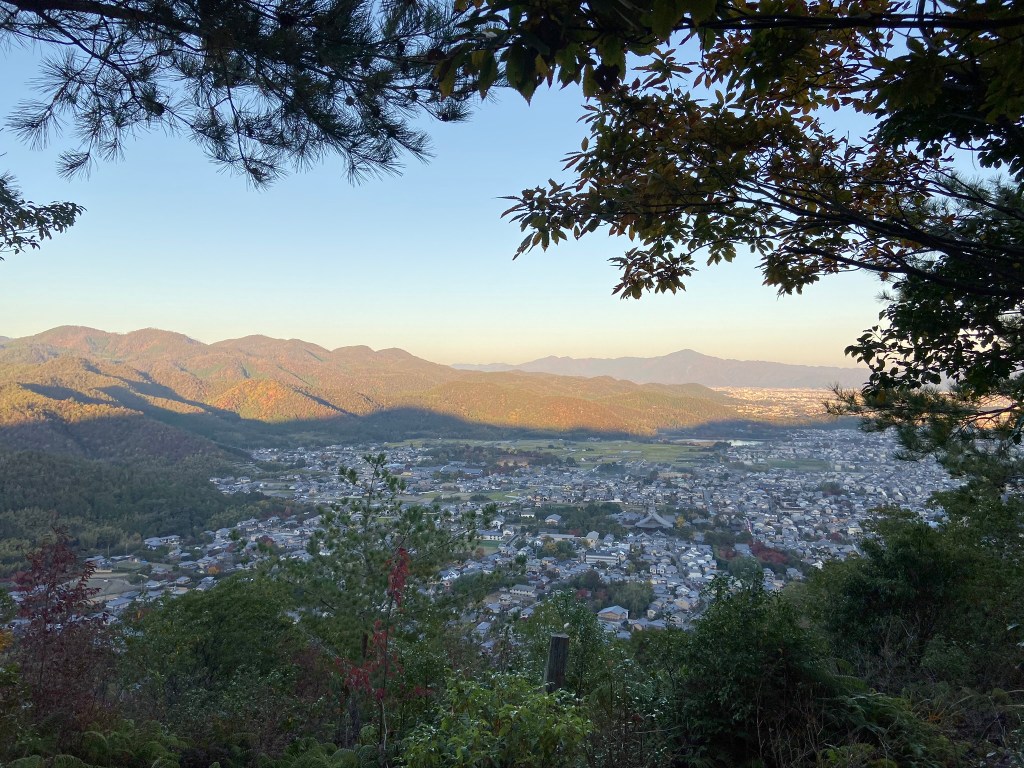
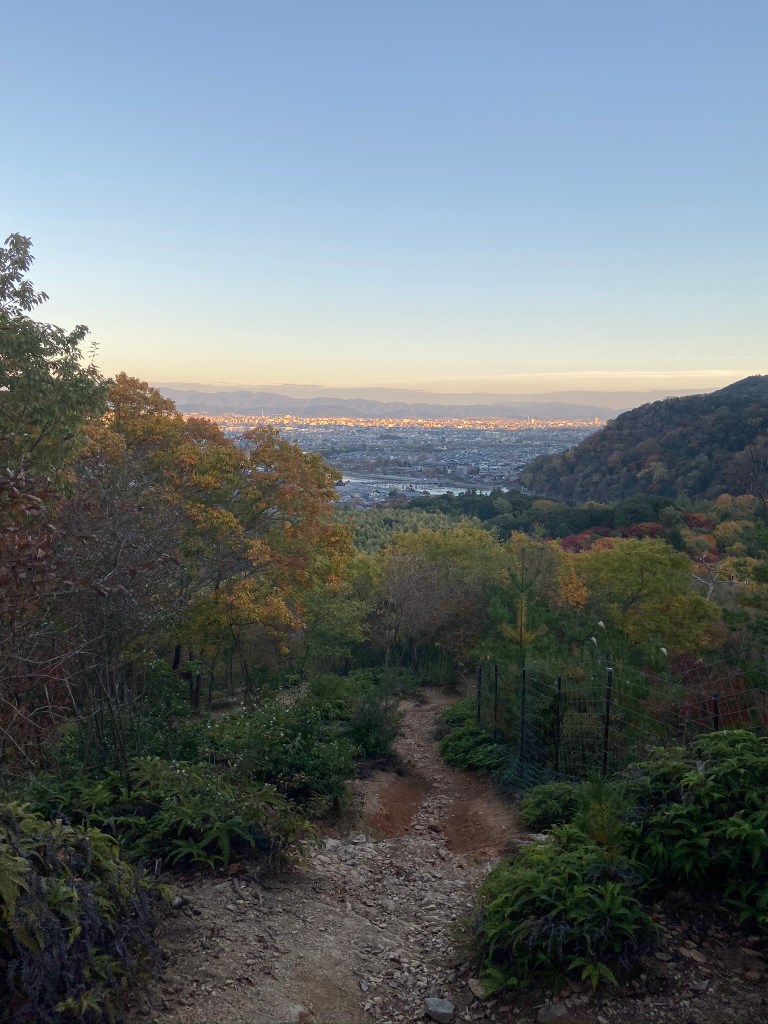
Day 10: Osaka
This was our last full day in Japan and we spent it in Osaka since we were flying out early the next morning.
Osaka isn’t my favorite city, and I’d recommend sticking with Kyoto and Tokyo as your two cities if you have a limited time in Japan.
We took the hour-long train over (I think less than $10 – a really good deal) to Osaka and dropped off our luggage at the hotel. This was our one hotel of the trip, Eins.Inn Umeda Higashi, and it was fine. We picked it for the location (I would highly recommend staying in Umeda) and because the price was reasonable split between two people but overall the room was very small and nothing fancy.
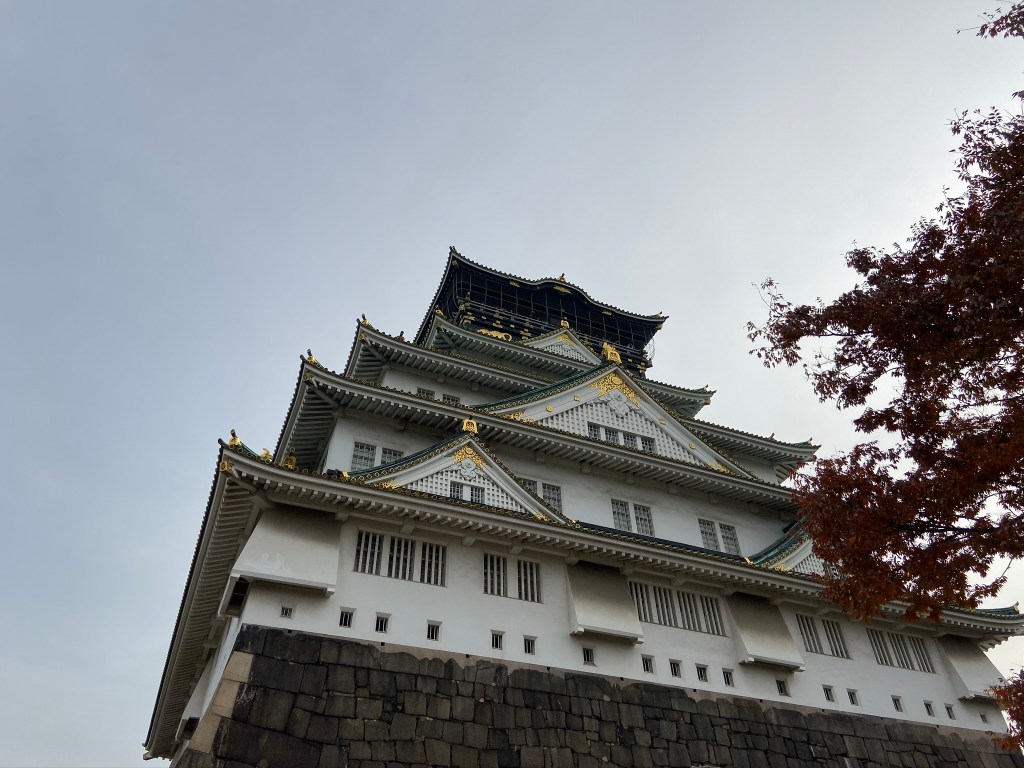
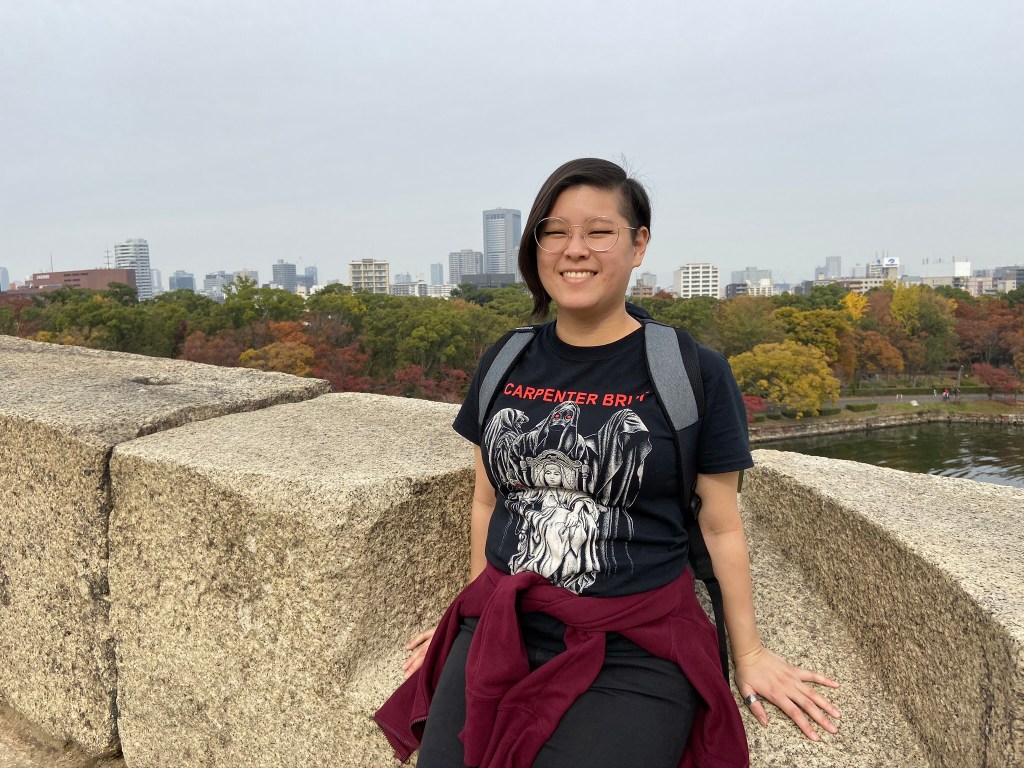
We started out our sightseeing by wandering around Osaka Castle, which we planned to go into but didn’t want to brave the queue for tickets and entry. There was a ramen festival happening near the station, but lines here were also long and we weren’t feeling it.
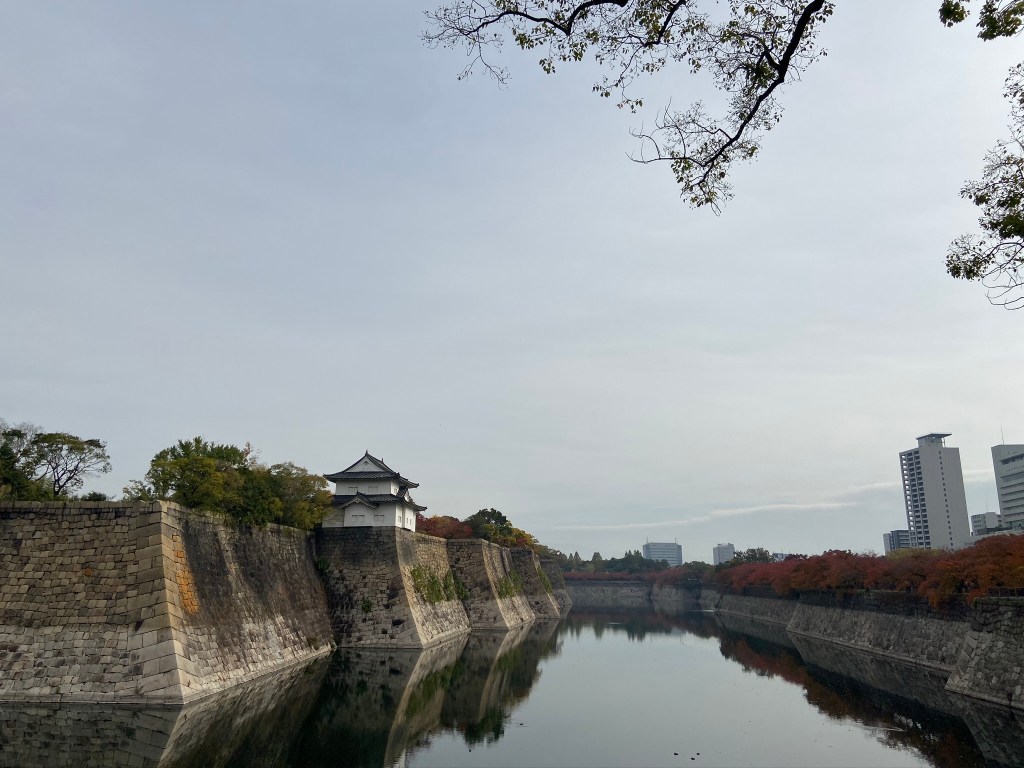
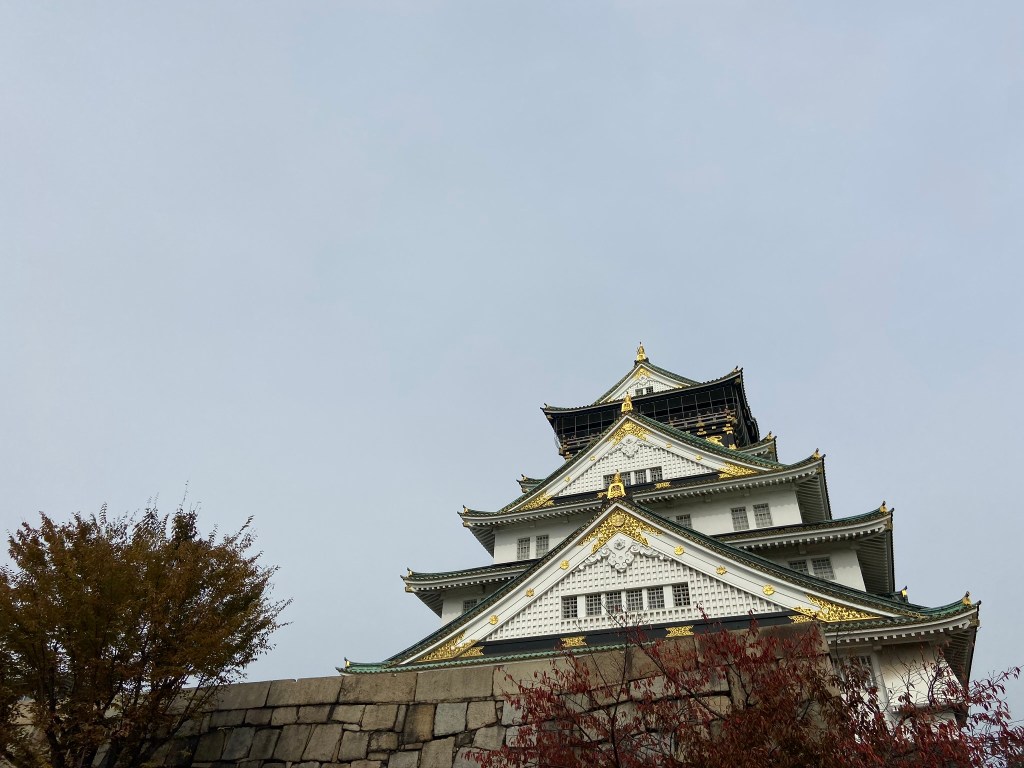
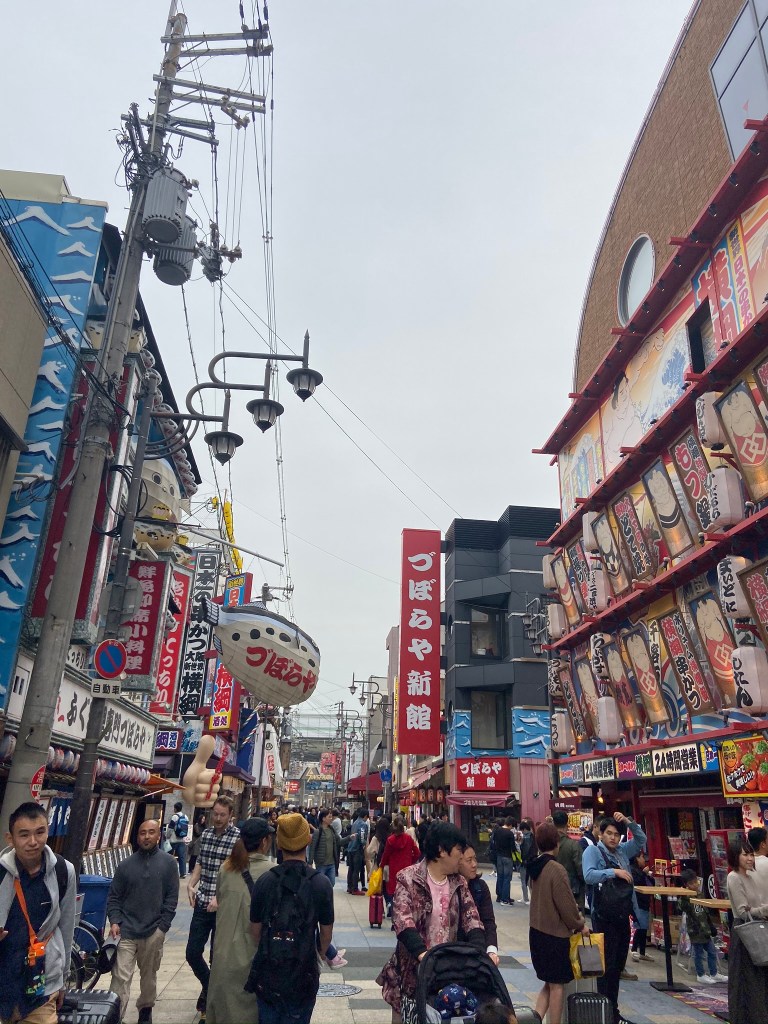
Shinsekai 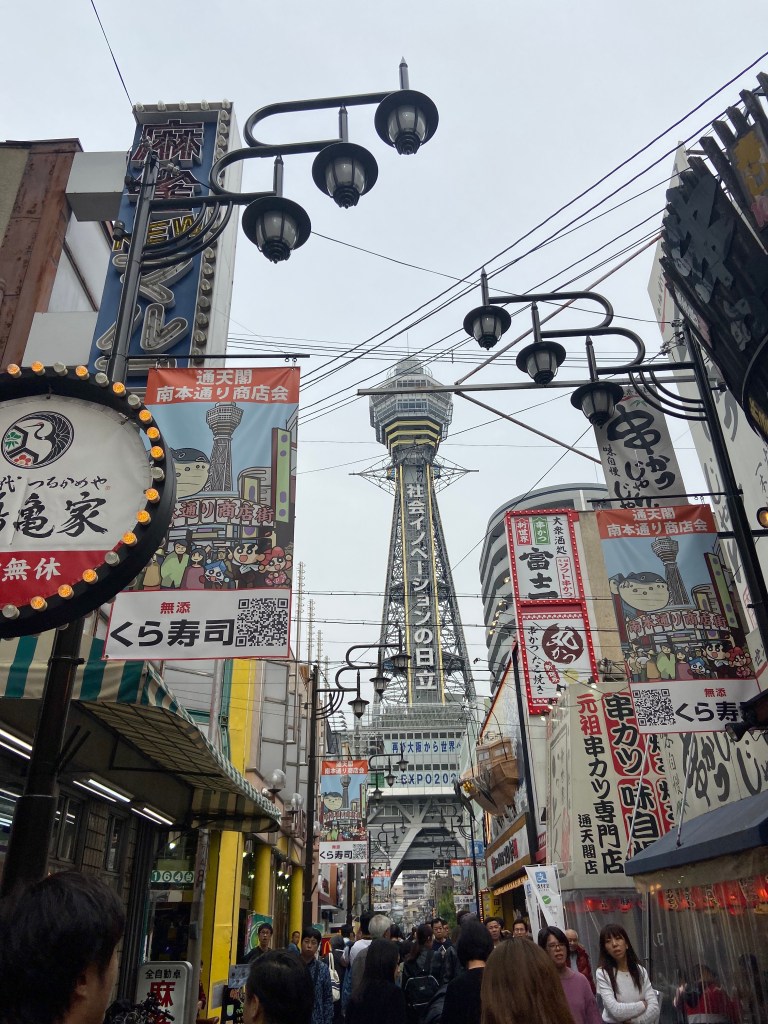
Shinsekai 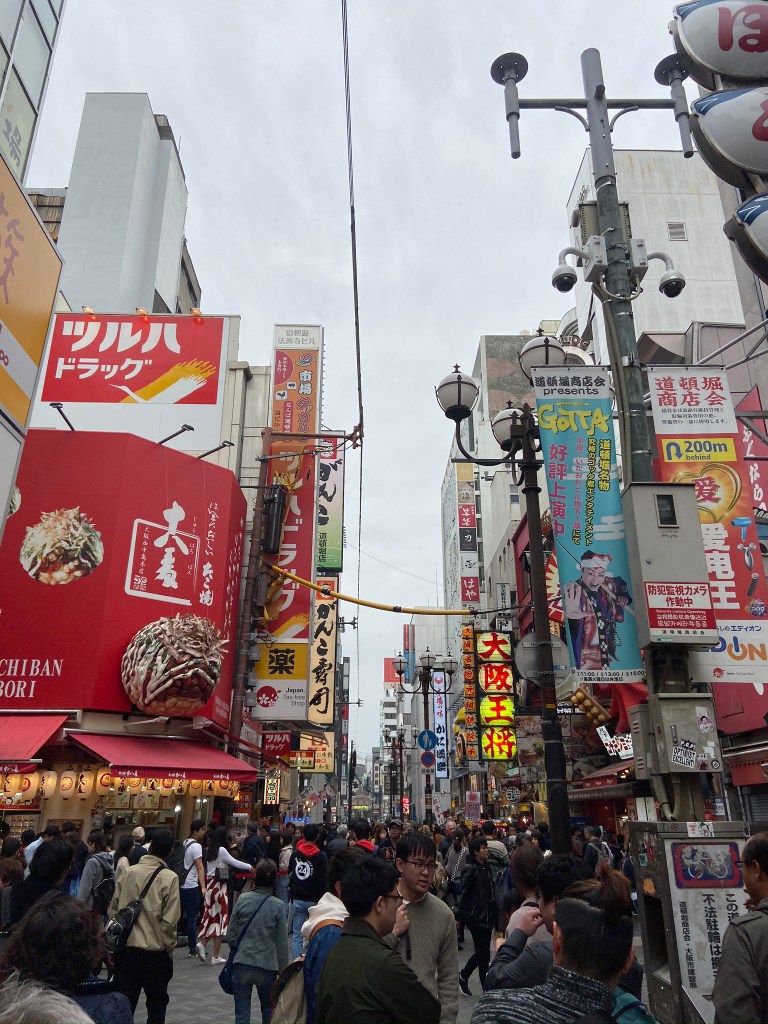
Dotomburi
From there, we wandered around the shopping areas of Shinsekai and Dotomburi. Shinsekai seemed to be the Akihabara of Osaka with a lot of anime stores, though I did see a very cute business filled with old men playing go (my heart was about to burst) and a lot of places where you could play carnival-style “shoot to knock over boxes” games. Dotomburi has a lot of street food, shops, and a plethora of really big signs, but mostly we just snapped some pictures.
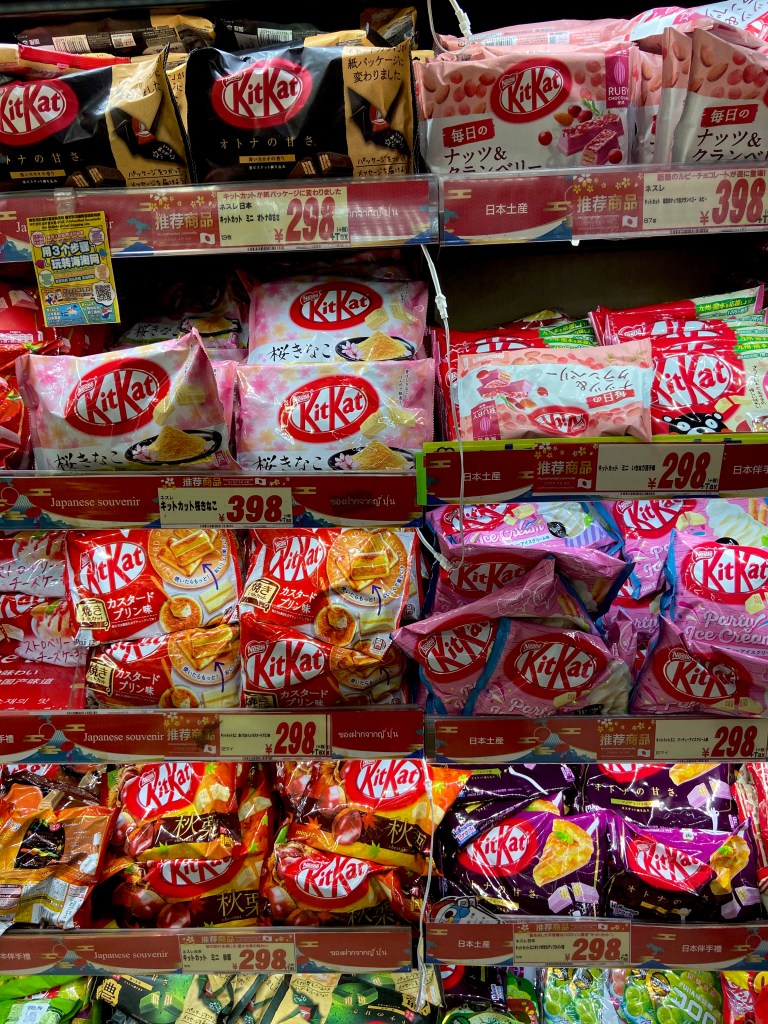
We wrapped up our afternoon with a trip to the Pokemon Center and to Don Quixote to pick up flavored kit kats to bring as omiyage (travel gifts) for friends at home.
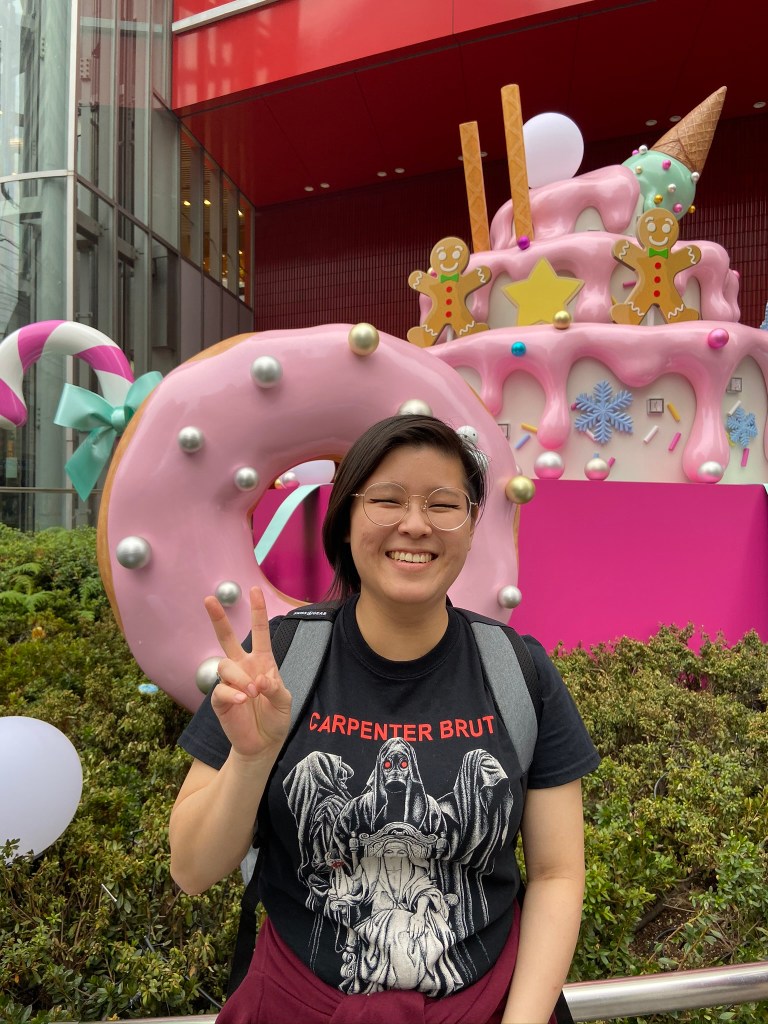
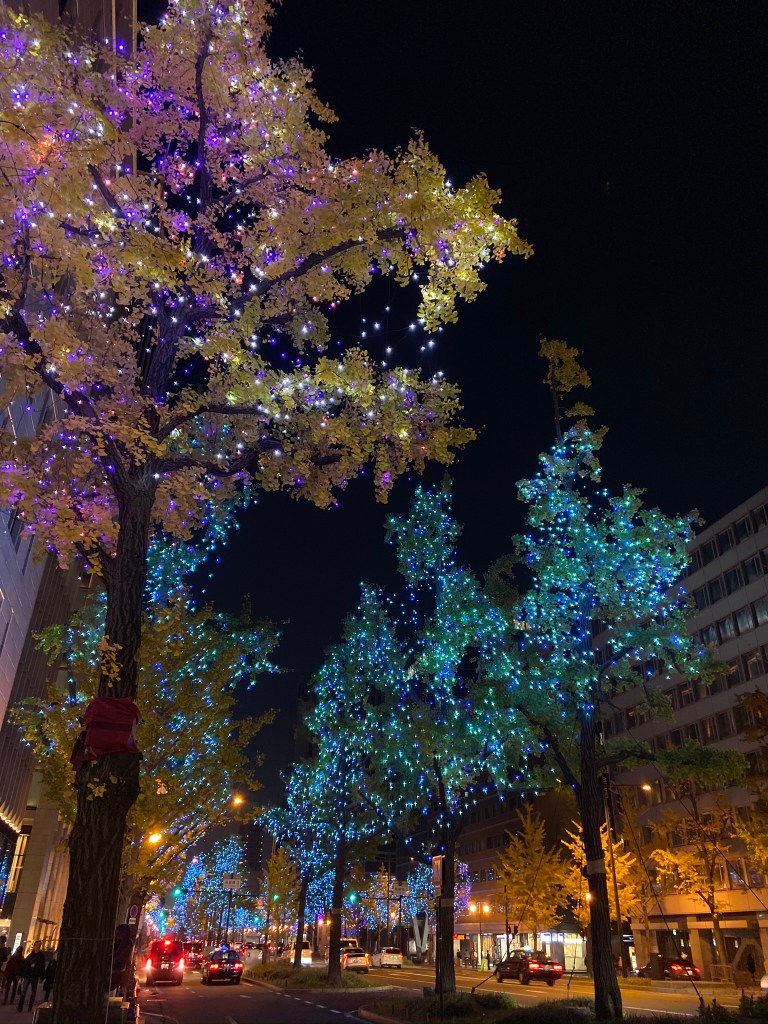
I finished up my evening by wandering around looking at the winter illuminations (Osaka goes all in for Christmas, and there were a lot of decorations up) both on the island south of Umeda and the Midosuji Illumination, which is a 4km stretch of illuminated trees down a main thoroughfare, one of the longest illuminated streets in the world. These are all part of Osaka’s Festival of the Light, which takes place every holiday season. Unfortunately, the Osaka Hikari Renaissance portion of the festival wasn’t yet started, but the pictures look fantastic with intricate projections against city buildings.
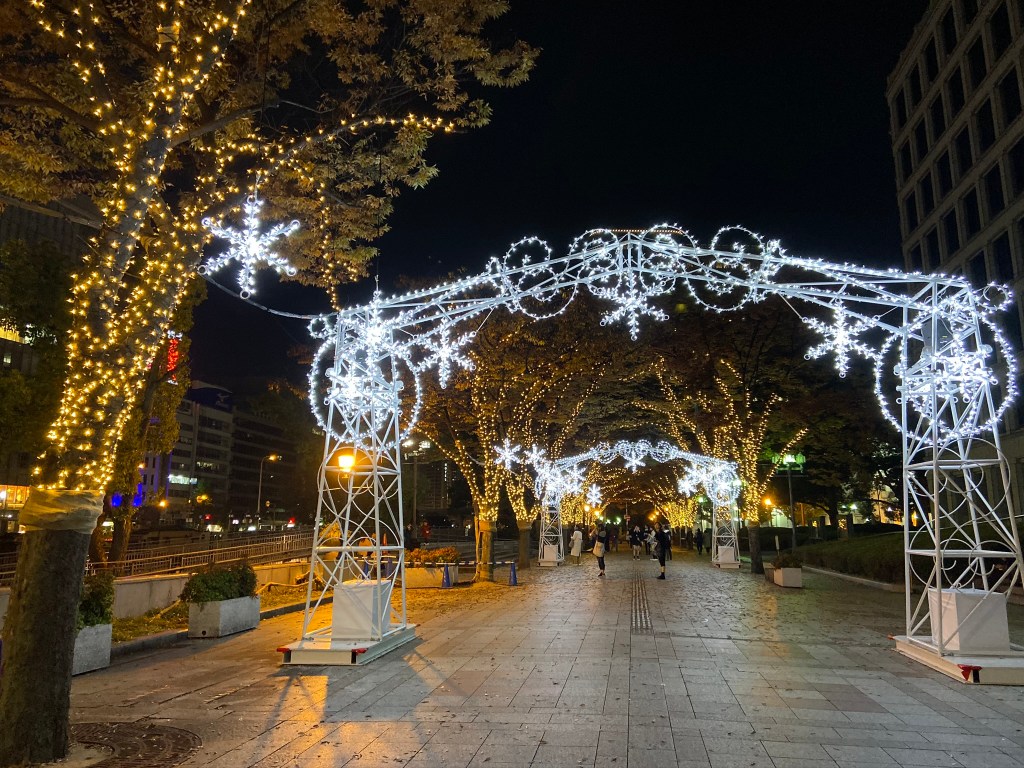
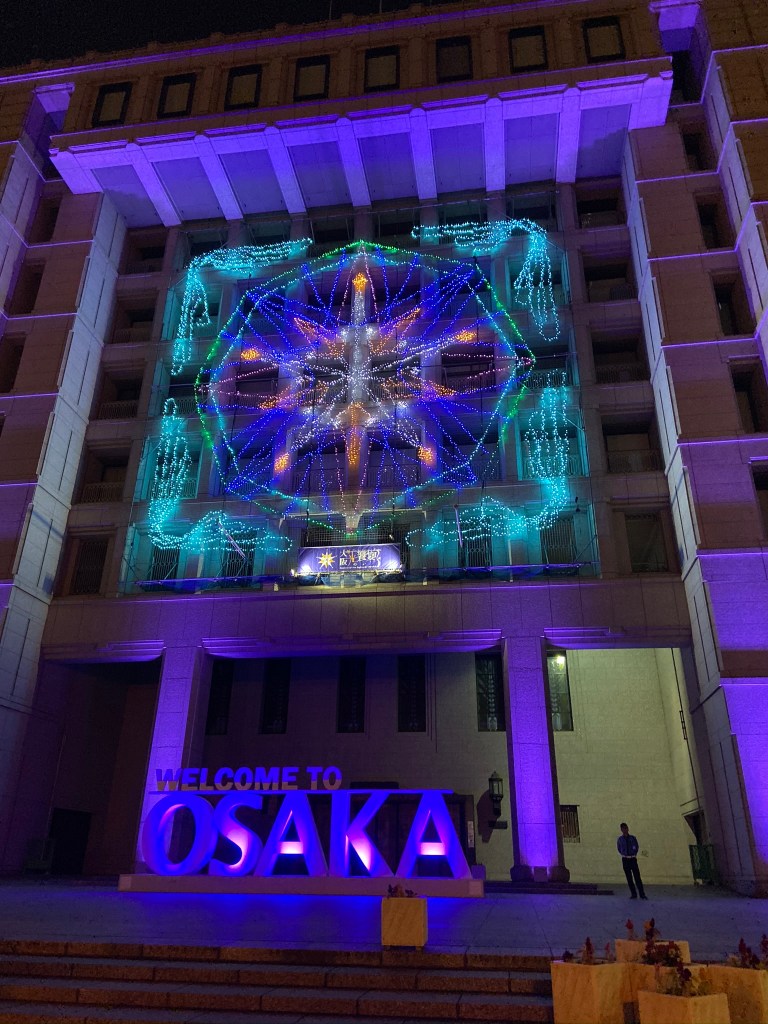
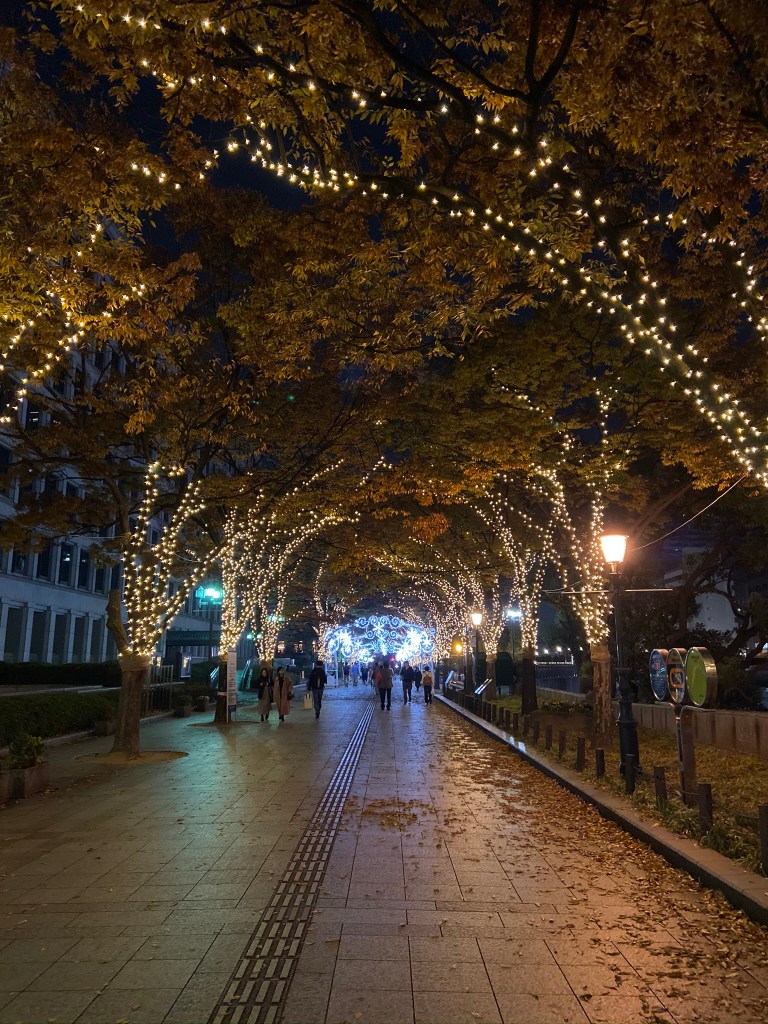
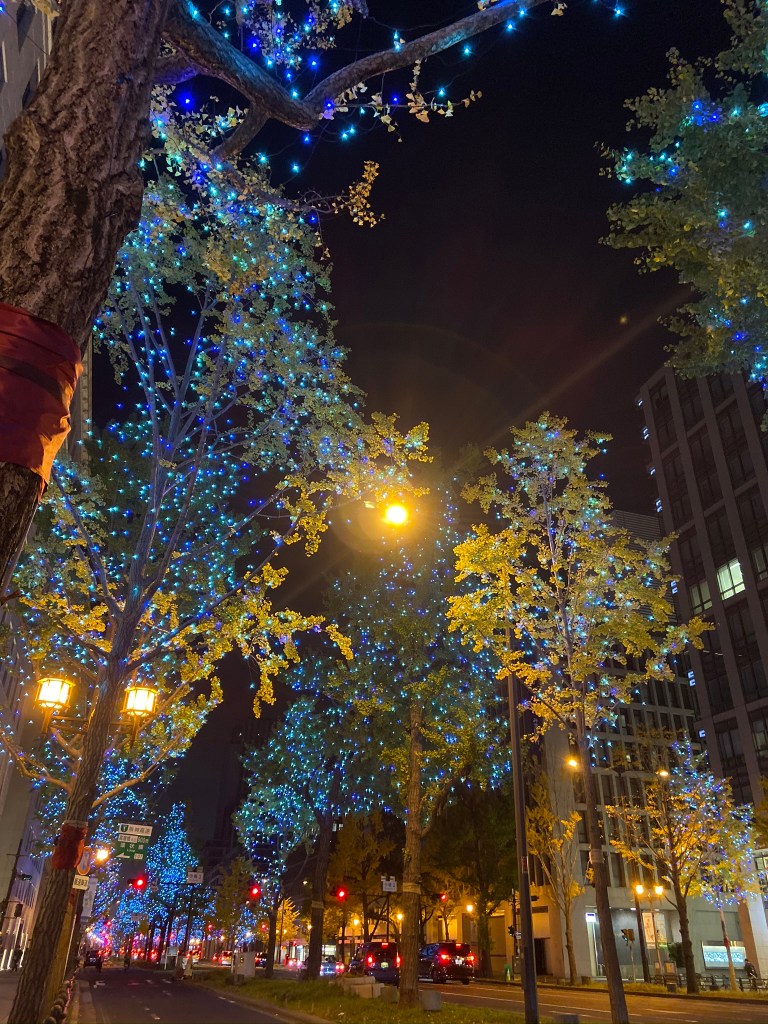
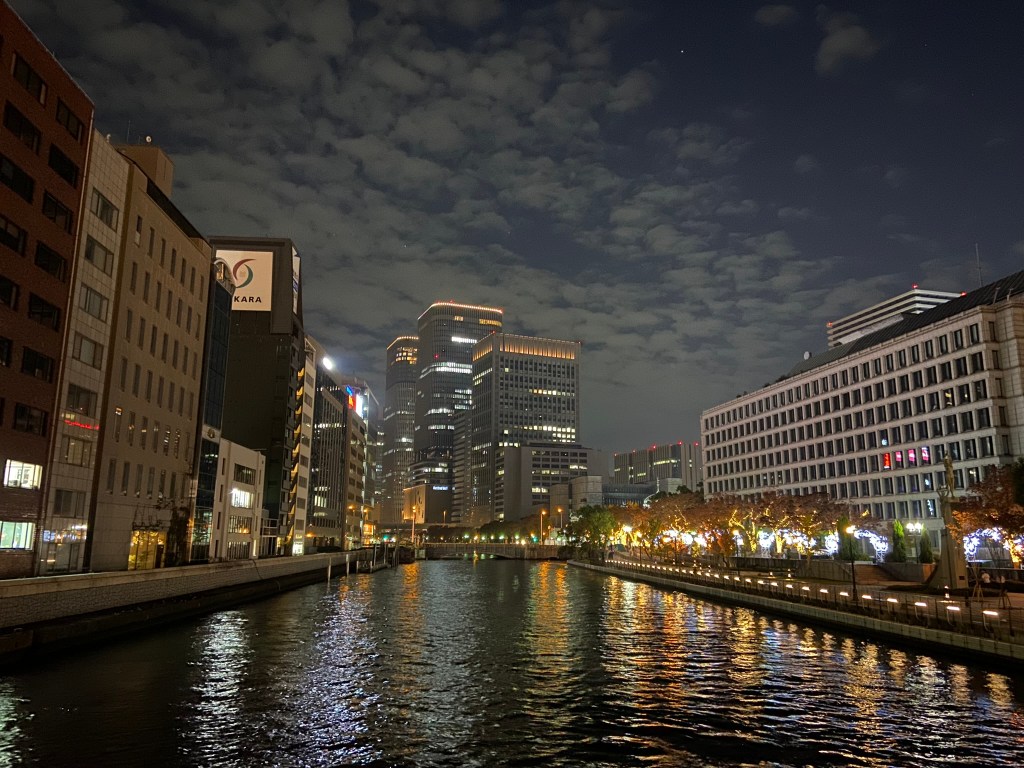
Thus concluded my trip to Japan! I’m glad I could cross off seeing the Japanese maples trees in autumn from my bucket list. I don’t plan on returning soon since I’ve now been twice within three years, but I want to come back next during spring for the sakura (Japanese cherry blossoms)!
Top Japan Travel Tips
- You don’t need an adapter (or a visa, at least in 2019) if you’re from the US. Though I’ve never seen a three prong outlet, so watch out there.
- For easy conversion calculations, just divide by 100 to get to a rough cost in USD.
- Your GPS will work with some success in Tokyo. It’s about the same issue you have with other big cities of buildings blocking the signals. Businesses also get to pick their own street numbers (so confusing!) and streets aren’t really labeled.
- Know your cell coverage before you go. Some providers are better than others in Japan, particularly when it comes to network availability!
- If you want to buy flavored kit kats, go to Don Quixote. Don Quixote is sort of the Walmart of Japan and a great spot to go if you need to buy…anything. They usually have a floor that’s just luxury goods too, in case you need to stock up on Prada.
- A JR Pass might be worth it, but you should crunch the numbers. It’s easy to find the cost of transport online and when I ran the numbers it would have been twice as expensive to get the JR Pass for this trip. If you’re going to many cities that are far apart and taking several Shinkansen, it’s likely worth it to get a JR Pass (though you’ll still need to pick up Shinkansen tickets at an office) but we only took one Shinkansen, so it wasn’t. The pass doesn’t work everywhere – only on the JR trains, so it’s probably still worth following my tip below on the Suica card, even if you do get a JR Pass.
- Get a Suica card. Thanks to my friend for this tip! This is a loadable “travel card” you can use on most forms of public transportation across the country. This will just spare you the headache of buying dozens of train tickets from the machines. For Shinkansen (the high speed) train, I would still recommend going to buy a ticket from the office because they often will either want you to reserve a seat or sit in special unreserved cars and, since this is an expensive purchase, you don’t want to mess it up.
- Have a well-practiced “sumimasen” (sorry / excuse me) ready for when you inevitably have to push your way out of a crowded subway car.
- Conbini. Japanese convenience stores (a.k.a. “conbini”) are the absolute best thing about Japan in my opinion. Conbini are everywhere in the major cities (honestly, averaging about one per block) with the major chains of 7-Eleven (my personal favorite), Lawson, and FamilyMart. They’re an excellent option for picking up a small snack (like musubi or anpan – MY FAVORITE), bottle of tea or water (also easily purchased from the plentiful street vending machines), or shirts/socks/razors/sewing kits – basically anything you might need. The food is healthy, tasty, cheap, and regularly restocked!
- Just face the reality that you will be creating a lot of extra waste. Japan, while awesome, is not on the waste minimalism bandwagon and be prepared for your purchases to be wrapped in individual bags and put in a bigger bag, sealed shut with a piece of tape. The packaging is immaculate and adorable and incredibly wasteful.
- If you want to go to Studio Ghibli in Tokyo (which you absolutely should), buy tickets from a third party, and do it EARLY. It was a total nightmare trying to figure out how to buy the tickets and we ultimately just ended up buying a “tour” (meaning they walked us from the station to the museum) from Klook for $40ish, which included entry. It’s really hard to buy from Ghibli directly and you can buy from a conbini in advance but it was a confusing process we ultimately abandoned.
- Bring a coin purse. Japan, like many countries, uses a lot of coins (from 1 yen up to 500 yen) and I found it helpful to keep my change is a separate pouch to keep it easily accessible.
- If traveling in summer, bring an umbrella and a small discreet face towel / handkerchief. These are both items you’ll find locals carrying. The umbrella keeps the sun off you and the handkerchief helps with the gross amount of sweat you’ll be generating. We loved these PackTowels in the “face” size off Amazon two summers ago – they dried quickly and were blessedly absorbent.
- If you’re going to Hakone, get the Hakone pass. The Hakone pass (about $60 for a 2 day pass, depending) is great and can even save you money coming from Tokyo, so I’d recommend getting it before departing for Hakone. It covers all the transport in Hakone, which is very convenient and I’m pretty sure saves a lot if you’re doing the ropeway, cable car, and pirate ship. The buses are also covered and work fine besides the poor and confusing labeling and early stop times.

 Fun-sized: A Travel and Life Blog
I went to Gyukatsu Motomura as well and it was AMAZING!! Glad you liked it 🙂
LikeLike